


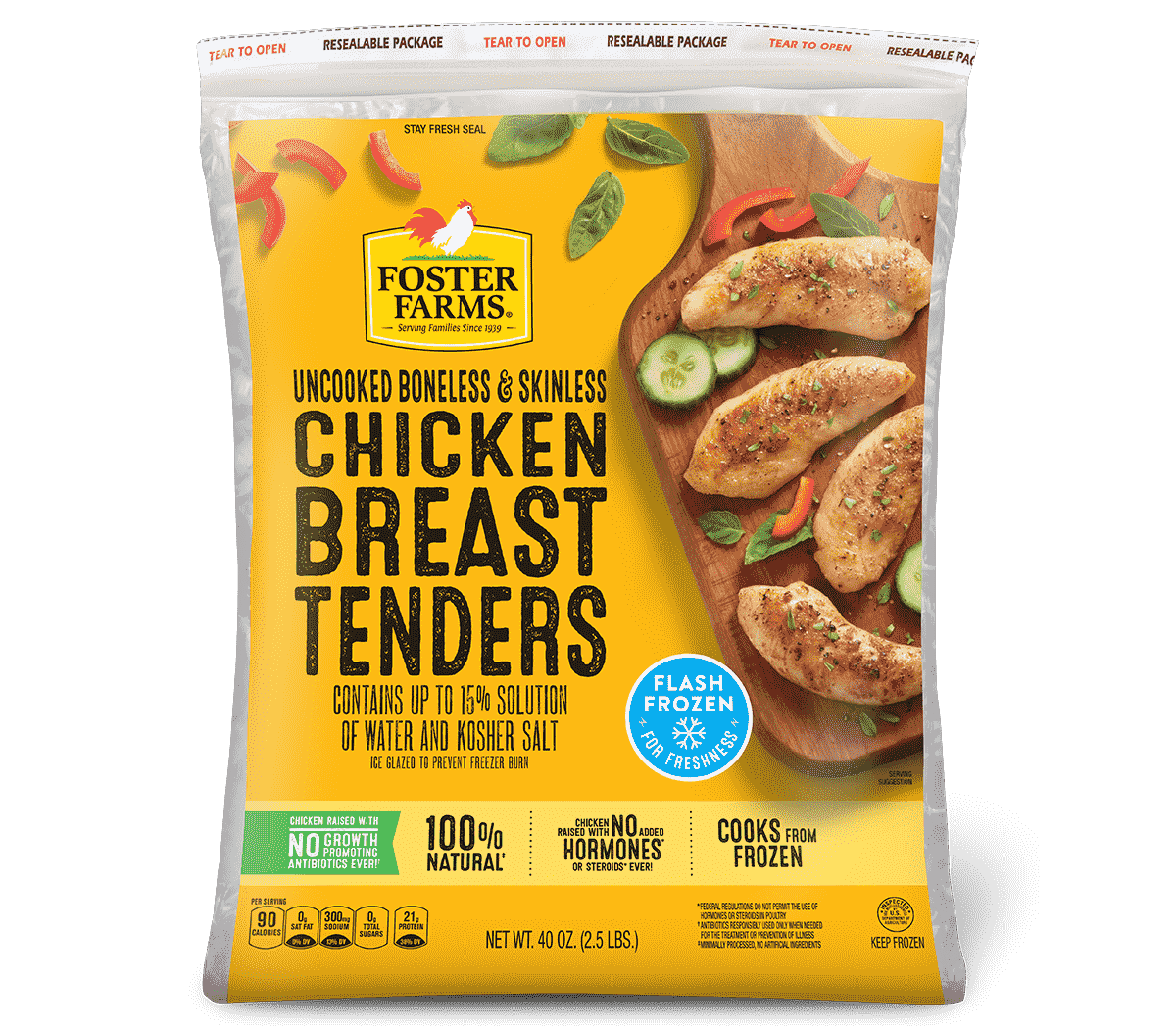


Grilled Chicken Breast
Summary
This grilled chicken breast product contains beneficial lean protein from chicken, but it is processed with additives like isolated soy protein and sodium tripolyphosphate, which are less desirable. The inclusion of canola oil, a refined seed oil, further detracts from its health profile due to its inflammatory omega-6 fatty acids. While it provides a good protein source, the processing level and presence of these additives limit its overall healthiness.
At a glance
Key ingredients 6
Chicken breastGood
Chicken breast is a high-quality source of lean protein, essential for muscle growth and repair. It is minimally processed when consumed as a whole food. Compared to other protein sources, it provides a complete amino acid profile with low fat content.
Benefits
Rich in protein and low in fat, supporting muscle maintenance and overall health.
WaterNeutral
Water is used as a processing aid and does not contribute any nutritional value. It is a neutral ingredient with no health impact. Its presence is primarily to maintain moisture in the product.
See more about Water →SaltNeutral
Salt is used for flavor enhancement and preservation. It is a common culinary ingredient but can contribute to high sodium intake if consumed excessively. Unlike unrefined salts, it does not provide additional trace minerals.
Risks
Excessive consumption may lead to high blood pressure and cardiovascular issues.
Benefits
Enhances flavor and acts as a preservative.
Isolated soy proteinBad
Isolated soy protein is a processed form of soy used to boost protein content. It lacks the complete amino acid profile found in animal proteins and may contain anti-nutrients that affect mineral absorption. Compared to whole soy foods, it is more processed and less beneficial.
Risks
May contain anti-nutrients and is less bioavailable than animal proteins.
Benefits
Provides a plant-based protein source.
Sodium tripolyphosphateBad
Sodium tripolyphosphate is an additive used to retain moisture and improve texture. It is a synthetic compound that can contribute to phosphate overload if consumed in large quantities. Its use is common in processed foods to enhance water retention.
Risks
Excessive intake may lead to imbalances in phosphate levels, affecting kidney function.
Benefits
Helps retain moisture and improve texture in processed foods.
Canola oilVery Bad
Canola oil is a seed oil high in omega-6 fatty acids, which can promote inflammation when consumed in excess. It is typically refined and processed, which may involve chemical solvents. Compared to healthier fats like olive oil, it is less beneficial due to its fatty acid profile.
Risks
High omega-6 content may promote inflammation and is often highly processed.
Processing
Processed Foods
Get the full breakdown in the Scout app
Scan any product to see lab results, healthy alternatives, and your personalized analysis.
Download on theApp Store