
Ingredient
Sodium Tripolyphosphate
What is Sodium Tripolyphosphate?
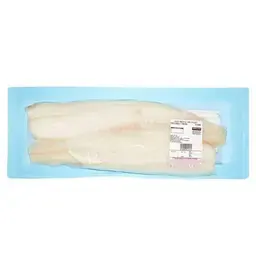
Sodium Tripolyphosphate is a synthetic preservative and emulsifier often used in processed foods, particularly in seafood, to retain moisture and improve texture. It is created by the chemical reaction of sodium and phosphoric acid.
In food products, it's used to enhance the water retention properties and improve the texture of seafood and some meats. While generally recognized as safe (GRAS) by health authorities, concerns exist over its phosphate content and potential environmental impact if used in large quantities.
When you see Sodium Tripolyphosphate on a label, it typically indicates the product may have enhanced moisture retention, particularly in processed seafood.
Commonly found in: Seafood products, Processed meats, Detergents, Cleaning agents, Ceramics, Water treatment
What to watch
- High phosphate intake can lead to imbalances in calcium in the body.
Benefits
- Helps to improve the texture and moisture retention of seafood products.
Sodium Tripolyphosphate is recognized as GRAS by the FDA for specific uses in food products.
Research shows it is effective for moisture retention, but high phosphate levels can pose health risks if consumed in excess.
Sodium Tripolyphosphate is synthetic and generally considered vegan-friendly.
Sources: Code of Federal Regulations Title 21
Scout's take
Phosphate additive used to retain moisture during freezing; some people prefer additive-free options
Found in 1 product
Scan any product to see every ingredient explained — and healthier swaps.
Download on theApp Store GET IT ONGoogle Play