
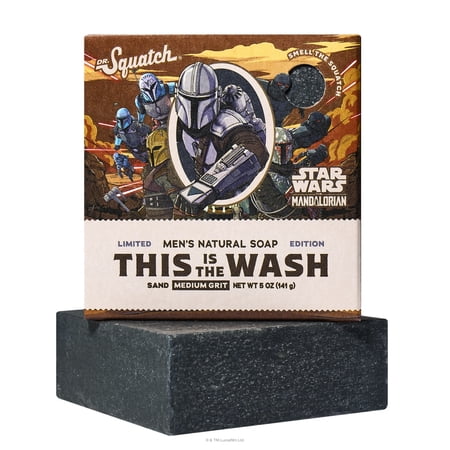



Dr. Squatch Mens Bar Soap Natural Bar Soap for Men This is the Wash 5 Oz
Analysis updated August 2026 · How Scout scores
At a glance
Summary
This soap features a clean ingredient list with natural oils like olive and coconut, which are known for their moisturizing and antimicrobial properties. Shea butter and oatmeal further enhance its skin-soothing benefits. The presence of natural fragrance is a minor concern due to potential allergenic reactions, but overall, the product is minimally processed and free from harsh chemicals, making it a healthy choice for skincare.
Key ingredients 13
Saponified Oils of OliveVery Good
Olive oil is a natural plant oil known for its moisturizing properties. It is rich in antioxidants and vitamins that nourish the skin. It helps maintain skin hydration and elasticity.
Risks
There are minimal risks associated with olive oil, though some individuals may experience mild irritation.
Benefits
Olive oil provides deep hydration and is beneficial for dry or sensitive skin.
Saponified Oils of CoconutVery Good
Coconut oil is a natural plant oil that provides excellent cleansing properties and a rich lather. It is known for its antimicrobial properties and ability to moisturize the skin.
Risks
Some individuals may experience skin irritation or allergies to coconut oil.
Benefits
Coconut oil helps to cleanse and hydrate the skin, leaving it soft and smooth.
Shea ButterVery Good
Shea butter is a natural butter known for its rich moisturizing properties. It contains vitamins A and E, which help to soothe and nourish the skin.
Risks
Rarely, shea butter can cause allergic reactions in sensitive individuals.
Benefits
Shea butter deeply moisturizes and protects the skin, making it ideal for dry or irritated skin.
OatmealVery Good
Oatmeal is a natural ingredient known for its soothing and anti-inflammatory properties. It is often used to relieve dry, itchy, or irritated skin.
Risks
Oatmeal is generally safe, but some individuals may have allergies to oats.
Benefits
Oatmeal soothes and moisturizes the skin, making it ideal for sensitive or irritated skin.
Sea SaltGood
Sea salt is used for its exfoliating properties and ability to draw out impurities from the skin. It also helps to balance oil production.
Risks
Excessive use of sea salt can lead to skin dryness or irritation.
Benefits
Sea salt gently exfoliates and purifies the skin, promoting a healthy complexion.
Kaolin ClayGood
Kaolin clay is a gentle clay that absorbs excess oil and impurities from the skin. It is suitable for sensitive skin and helps to refine pores.
Risks
Overuse of kaolin clay can lead to dryness in some skin types.
Benefits
Kaolin clay purifies and detoxifies the skin, leaving it smooth and refreshed.
Orange Essential OilGood
Orange essential oil is known for its uplifting scent and potential antibacterial properties. It is often used in skincare for its refreshing aroma and ability to brighten the skin.
Risks
Orange essential oil can cause photosensitivity, leading to skin irritation when exposed to sunlight.
Benefits
Orange essential oil provides a refreshing scent and may help brighten and tone the skin.
Saponified Oils of Sustainable Palm OilNeutral
Sustainable palm oil is used for its ability to create a hard bar of soap with good lather. While it is a common ingredient, its environmental impact is a concern unless sustainably sourced.
Risks
Unsustainable palm oil production can lead to deforestation and habitat destruction.
Benefits
When sustainably sourced, palm oil contributes to a stable and effective soap base.
LyeNeutral
Lye is used in the saponification process to turn oils into soap. It is a necessary component in traditional soap making but is not present in the final product.
Risks
Lye is caustic and can cause burns if not handled properly during soap making.
Benefits
Lye is essential for creating soap, which cleanses the skin effectively.
Pine Tar ExtractNeutral
Pine tar extract is traditionally used for its antiseptic and anti-inflammatory properties. It is often used in products for treating skin conditions like eczema and psoriasis.
Risks
Pine tar can cause skin irritation or allergic reactions in some individuals.
Benefits
Pine tar extract can help soothe and treat irritated or inflamed skin.
Pine OilNeutral
Pine oil is known for its antiseptic and anti-inflammatory properties. It is often used in skincare for its refreshing scent and potential to soothe skin.
Risks
Pine oil can cause skin irritation or allergic reactions in sensitive individuals.
Benefits
Pine oil provides a refreshing scent and may help soothe minor skin irritations.
SandNeutral
Sand is used as a natural exfoliant to remove dead skin cells. It provides a gentle scrubbing action that can help smooth the skin.
Risks
Over-exfoliation with sand can lead to skin irritation or micro-tears.
Benefits
Sand helps to exfoliate the skin, promoting a smoother and more radiant appearance.
Natural FragranceBad
Natural fragrance can include a variety of plant-based aromatic compounds. While generally safer than synthetic fragrances, they can still cause allergic reactions.
Risks
Fragrances, even natural ones, can cause skin irritation or allergic reactions in sensitive individuals.
Benefits
Natural fragrances provide a pleasant scent without the use of synthetic chemicals.
Processing
Processed Foods
Get the full breakdown in the Scout appTake Scout shopping
Scan any product to see lab results, healthy alternatives, and your personalized analysis.
Download on theApp Store GET IT ONGoogle PlayAmazon pricing & content
Amazon price as of . Product prices and availability are accurate as of the date/time indicated and are subject to change. Any price and availability information displayed on Amazon.com at the time of purchase will apply to the purchase of this product.
CERTAIN CONTENT THAT APPEARS ON THIS SITE COMES FROM AMAZON. THIS CONTENT IS PROVIDED “AS IS” AND IS SUBJECT TO CHANGE OR REMOVAL AT ANY TIME.