
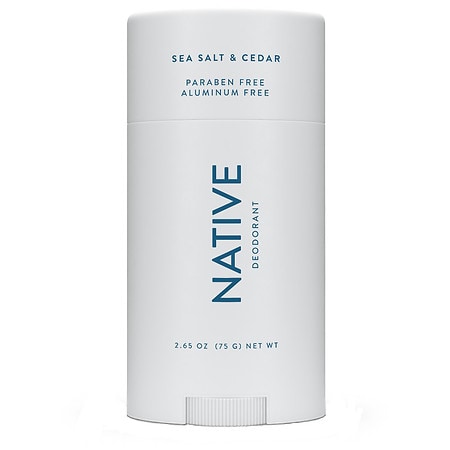
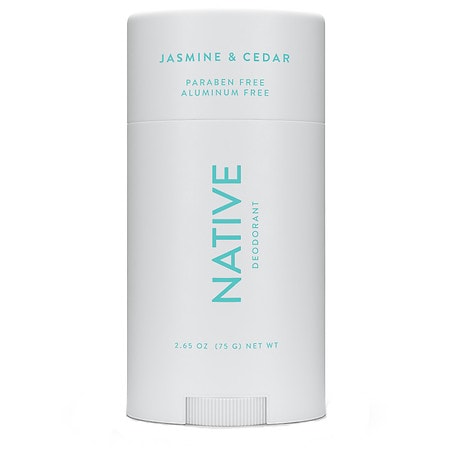
Native Deodorant Aluminum Free Sea Salt & Cedar for Women and Men 2.65 oz
Summary
This deodorant is aluminum-free and primarily composed of natural ingredients, which is a significant positive factor for safety and health. It avoids synthetic chemicals like parabens and phthalates, and instead uses natural odor-controlling agents. While it is processed, the clean ingredient profile supports a high score within the category.
At a glance
Key ingredients 10
Shea Butter
Shea butter is a natural fat extracted from the nuts of the shea tree. It is known for its moisturizing properties and ability to soothe irritated skin. It is commonly used in skincare products for its nourishing benefits.
Risks
There are minimal risks associated with shea butter, though some individuals may experience allergic reactions.
Benefits
Shea butter is highly beneficial for its moisturizing and skin-soothing properties, making it ideal for sensitive skin.
Coconut Oil
Coconut oil is a natural oil extracted from the meat of coconuts. It is widely used for its antimicrobial properties and ability to hydrate the skin. It is a popular ingredient in natural deodorants for its skin-conditioning benefits.
Risks
Coconut oil can cause breakouts in individuals with acne-prone skin due to its comedogenic nature.
Benefits
Coconut oil is beneficial for its antimicrobial properties and ability to deeply moisturize the skin.
Tapioca Starch
Tapioca starch is derived from the cassava plant and is used for its moisture-absorbing properties. It helps to keep the skin dry by absorbing excess moisture. It is a common ingredient in natural deodorants for its ability to reduce wetness.
Risks
There are minimal risks associated with tapioca starch, though it may cause irritation in some sensitive individuals.
Benefits
Tapioca starch is beneficial for its ability to absorb moisture and reduce wetness, making it effective in deodorants.
Zinc Ricinoleate
Zinc ricinoleate is a zinc salt of ricinoleic acid, derived from castor oil. It is used in deodorants for its ability to trap and neutralize odor molecules. It is considered a safe and effective ingredient for controlling body odor.
Risks
There are minimal risks associated with zinc ricinoleate, though it may cause irritation in some individuals.
Benefits
Zinc ricinoleate is beneficial for its odor-neutralizing properties, making it effective in controlling body odor.
Natural Fragrance
Natural fragrance is derived from essential oils and plant extracts. It is used to provide a pleasant scent without the use of synthetic chemicals. It is generally considered safer than synthetic fragrances.
Risks
Natural fragrances can still cause allergic reactions or sensitivities in some individuals.
Benefits
Natural fragrance is beneficial for providing a pleasant scent without the risks associated with synthetic fragrances.
Sunflower Seed Wax
Sunflower seed wax is a natural wax derived from sunflower seeds. It is used as a thickening agent and to provide structure to cosmetic products. It is considered a safe and natural alternative to synthetic waxes.
Risks
There are minimal risks associated with sunflower seed wax, though it may cause irritation in some sensitive individuals.
Benefits
Sunflower seed wax is beneficial for its natural origin and ability to provide structure and stability to products.
Sodium Bicarbonate
Sodium bicarbonate, commonly known as baking soda, is used for its odor-neutralizing properties. It helps to control body odor by neutralizing acidic odors. It is a popular ingredient in natural deodorants for its effectiveness.
Risks
Sodium bicarbonate can cause skin irritation or rashes in some individuals, especially those with sensitive skin.
Benefits
Sodium bicarbonate is beneficial for its effective odor-neutralizing properties, making it a key ingredient in natural deodorants.
Candelilla Wax
Candelilla wax is a natural wax derived from the leaves of the candelilla shrub. It is used as a thickening agent and to provide structure to cosmetic products. It is a vegan alternative to beeswax and is considered safe for use.
Risks
There are minimal risks associated with candelilla wax, though it may cause irritation in some sensitive individuals.
Benefits
Candelilla wax is beneficial for its natural origin and ability to provide structure and stability to products.
Jojoba Oil
Jojoba oil is a liquid wax extracted from the seeds of the jojoba plant. It is used for its moisturizing and skin-conditioning properties. It closely resembles the natural oils of the skin, making it an excellent moisturizer.
Risks
There are minimal risks associated with jojoba oil, though it may cause allergic reactions in some individuals.
Benefits
Jojoba oil is beneficial for its moisturizing properties and ability to mimic the skin's natural oils.
Vitamin E
Vitamin E is a fat-soluble antioxidant that helps to protect the skin from damage caused by free radicals. It is used in skincare products for its moisturizing and skin-healing properties. It is considered a beneficial ingredient for maintaining healthy skin.
Risks
There are minimal risks associated with vitamin E, though it may cause irritation in some sensitive individuals.
Benefits
Vitamin E is beneficial for its antioxidant properties and ability to moisturize and protect the skin.
Processing
Processed Foods
Get the full breakdown in the Scout app
Scan any product to see lab results, healthy alternatives, and your personalized analysis.
Download on theApp Store