
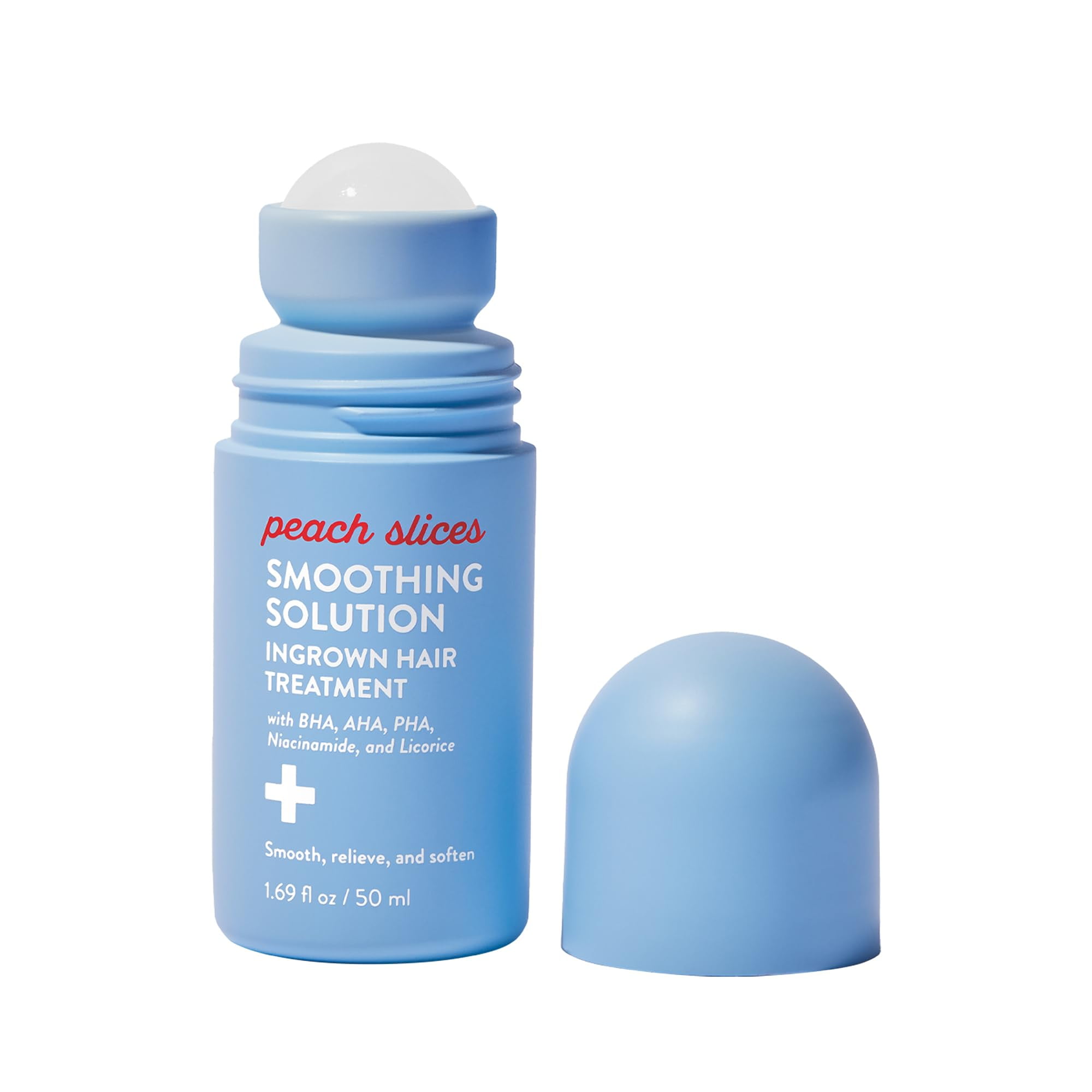
Ingrown Hair Treatment Peach Slices Smoothing Solution
Analysis updated July 2026 · How Scout scores
At a glance
Summary
This product contains a mix of beneficial and concerning ingredients. While it includes some skin-friendly components, it also features synthetic fragrance, which can be an irritant and is penalized. The presence of synthetic chemicals and potential irritants affects its overall safety profile, leading to a moderate score.
Key ingredients 8
GlycerinGood
Glycerin is a well-known humectant that attracts moisture to the skin. It is highly effective in maintaining skin hydration and improving skin barrier function. It is widely used in skincare for its moisturizing properties.
Risks
There are minimal risks associated with glycerin, though it may cause irritation in very sensitive skin.
Benefits
Glycerin helps to keep the skin soft and supple by drawing moisture from the environment into the skin.
NiacinamideGood
Niacinamide is a form of Vitamin B3 that offers multiple skin benefits. It is known for its ability to improve skin tone, reduce inflammation, and enhance the skin barrier. It is highly regarded in skincare for its versatility and effectiveness.
Risks
There are minimal risks, though high concentrations may cause irritation in sensitive skin.
Benefits
Niacinamide helps to brighten the skin, reduce redness, and improve overall skin health.
Salicylic AcidGood
Salicylic Acid is a beta hydroxy acid (BHA) that is effective in exfoliating the skin and unclogging pores. It is commonly used in acne treatments for its ability to penetrate oily skin and reduce acne lesions. It is well-tolerated by most skin types.
Risks
Overuse can lead to dryness or irritation, especially in sensitive skin.
Benefits
It helps to clear pores, reduce acne, and improve skin texture.
Chamaecyparis Obtusa WaterGood
Chamaecyparis Obtusa Water is derived from the Hinoki tree and is known for its soothing and antibacterial properties. It is used in skincare for its ability to calm irritated skin and provide a refreshing feel. It is considered beneficial for sensitive skin.
Risks
There are minimal risks, though allergic reactions are possible in rare cases.
Benefits
It provides soothing and calming effects on the skin, making it ideal for sensitive or irritated skin.
Cucumis Sativus (Cucumber) Fruit ExtractGood
Cucumber Extract is known for its hydrating and soothing properties. It is rich in vitamins and antioxidants that help to refresh and revitalize the skin. It is commonly used in skincare for its cooling and calming effects.
Risks
There are minimal risks, though it may cause irritation in very sensitive individuals.
Benefits
It helps to hydrate, soothe, and refresh the skin, making it ideal for calming irritated skin.
WaterNeutral
Water is a common solvent used in cosmetic formulations. It helps dissolve other ingredients and provides a base for the product. It does not have any direct benefits or risks associated with its use in skincare.
Risks
There are no significant risks associated with water in cosmetic products.
Benefits
Water helps in the application and absorption of other active ingredients.
Butylene GlycolNeutral
Butylene Glycol is a common humectant used in skincare products. It helps to retain moisture in the skin and improve the texture of the product. It is generally considered safe for use in cosmetics.
Risks
In rare cases, it may cause irritation or allergic reactions in sensitive individuals.
Benefits
It helps to keep the skin hydrated and enhances the penetration of other ingredients.
1,2–HexanediolNeutral
1,2–Hexanediol is a synthetic preservative and moisture-binding agent. It helps to stabilize the product and prevent microbial growth. It is generally considered safe for use in cosmetics.
Risks
It may cause mild irritation in sensitive skin types.
Benefits
It helps to maintain the integrity of the product by preventing microbial contamination.
Get the full breakdown in the Scout appTake Scout shopping
Scan any product to see lab results, healthy alternatives, and your personalized analysis.
Download on theApp Store GET IT ONGoogle PlayAmazon pricing & content
Amazon price as of . Product prices and availability are accurate as of the date/time indicated and are subject to change. Any price and availability information displayed on Amazon.com at the time of purchase will apply to the purchase of this product.
CERTAIN CONTENT THAT APPEARS ON THIS SITE COMES FROM AMAZON. THIS CONTENT IS PROVIDED “AS IS” AND IS SUBJECT TO CHANGE OR REMOVAL AT ANY TIME.