


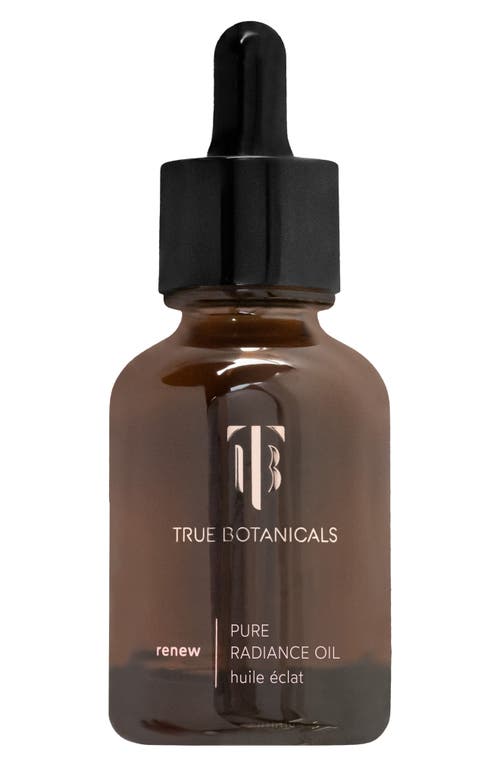
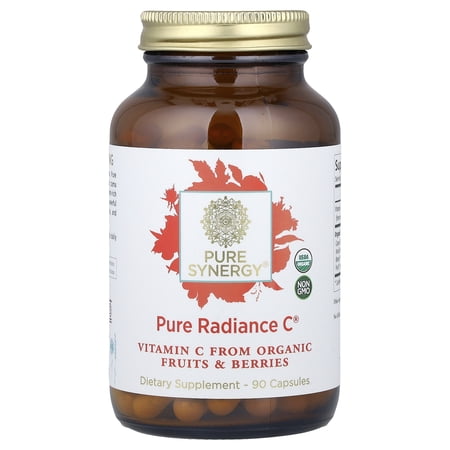
Lancer Skincare Radiance Duo
Summary
This skincare product contains beneficial ingredients such as hyaluronic acid and niacinamide, which are known for their skin-rejuvenating properties. However, the presence of synthetic fragrance and other processed components slightly detracts from its overall safety profile. While it includes some natural elements, the processing level and inclusion of synthetic additives prevent it from achieving a higher rating.
At a glance
Key ingredients 16
Cyclopentasiloxane
Cyclopentasiloxane is a silicone-based compound used for its smooth application and quick-drying properties. It helps to spread other ingredients evenly across the skin. It is generally considered safe for use in cosmetics.
Risks
There are minimal risks associated with cyclopentasiloxane, though some concerns exist about its environmental impact.
Benefits
It provides a silky texture and enhances the spreadability of the product.
Ascorbic Acid
Ascorbic acid, also known as Vitamin C, is a potent antioxidant that helps to brighten the skin and reduce signs of aging. It is widely used for its ability to improve skin radiance and texture. It is considered a beneficial ingredient in skincare.
Risks
High concentrations can cause skin irritation in sensitive individuals.
Benefits
It helps to protect the skin from oxidative stress and promotes collagen production.
Dimethicone Crosspolymer
Dimethicone crosspolymer is a silicone derivative used to improve the texture and feel of skincare products. It provides a matte finish and enhances the spreadability of the product. It is generally regarded as safe for use in cosmetics.
Risks
There are minimal risks, though it may cause mild irritation in sensitive skin types.
Benefits
It helps to create a smooth, non-greasy finish on the skin.
Butyrospermum Parkii (Shea) Butter
Shea butter is a natural fat extracted from the nuts of the shea tree, known for its moisturizing and anti-inflammatory properties. It is rich in vitamins and fatty acids, making it an excellent emollient for dry skin. It is highly regarded in skincare for its nourishing benefits.
Risks
There are minimal risks, though individuals with nut allergies should exercise caution.
Benefits
It deeply moisturizes the skin and helps to soothe irritation.
DI-C12-15 Alkyl Fumarate
DI-C12-15 Alkyl Fumarate is an ester used to enhance the texture and spreadability of skincare products. It provides a silky feel and helps to lock in moisture. It is considered safe for use in cosmetics.
Risks
There are minimal risks associated with this ingredient.
Benefits
It improves the texture of the product and provides a smooth application.
Tocopheryl Acetate
Tocopheryl acetate is a form of Vitamin E, an antioxidant that helps to protect the skin from free radical damage. It is commonly used in skincare for its moisturizing and healing properties. It is considered a beneficial ingredient in cosmetics.
Risks
There are minimal risks, though it may cause irritation in very sensitive skin.
Benefits
It helps to nourish and protect the skin from environmental stressors.
Hyaluronic Acid
Hyaluronic acid is a powerful humectant that attracts and retains moisture in the skin. It is widely used in skincare for its ability to hydrate and plump the skin. It is considered a very beneficial ingredient in cosmetics.
Risks
There are minimal risks, though overuse can lead to skin dehydration.
Benefits
It provides intense hydration and helps to reduce the appearance of fine lines.
Organic Coconut Oil
Organic coconut oil is a natural oil known for its moisturizing and antimicrobial properties. It is rich in fatty acids and vitamins, making it an excellent emollient for the skin. It is highly regarded in skincare for its nourishing benefits.
Risks
There are minimal risks, though it may clog pores in acne-prone skin.
Benefits
It deeply moisturizes the skin and helps to protect against environmental damage.
Purified Water
Purified water is used as a solvent in skincare products to dissolve other ingredients. It helps to hydrate the skin and is essential for the formulation of many cosmetic products. It is considered a neutral ingredient.
Risks
There are no significant risks associated with purified water.
Benefits
It acts as a base for the formulation and helps to hydrate the skin.
Vegetable Glycerin
Vegetable glycerin is a humectant that attracts moisture to the skin, helping to keep it hydrated. It is derived from plant oils and is widely used in skincare for its moisturizing properties. It is considered a beneficial ingredient in cosmetics.
Risks
There are minimal risks, though it may cause irritation in very sensitive skin.
Benefits
It helps to maintain skin hydration and improve skin barrier function.
Cetyl Alcohol
Cetyl alcohol is a fatty alcohol used as an emollient and thickening agent in skincare products. It helps to soften and smooth the skin, improving the texture of the product. It is considered safe for use in cosmetics.
Risks
There are minimal risks, though it may cause irritation in very sensitive skin.
Benefits
It provides a creamy texture and helps to lock in moisture.
Retinol
Retinol is a form of Vitamin A known for its anti-aging properties. It helps to promote cell turnover and reduce the appearance of fine lines and wrinkles. It is considered a very beneficial ingredient in skincare.
Risks
It can cause irritation and sensitivity, especially in high concentrations.
Benefits
It improves skin texture and reduces signs of aging.
Vitamin B3
Vitamin B3, also known as niacinamide, is a versatile skincare ingredient that helps to improve skin barrier function and reduce inflammation. It is widely used for its ability to even out skin tone and reduce the appearance of pores. It is considered a very beneficial ingredient in cosmetics.
Risks
There are minimal risks, though it may cause mild irritation in sensitive skin.
Benefits
It helps to strengthen the skin barrier and improve overall skin health.
Vitamin E
Vitamin E is a powerful antioxidant that helps to protect the skin from oxidative stress and environmental damage. It is commonly used in skincare for its moisturizing and healing properties. It is considered a beneficial ingredient in cosmetics.
Risks
There are minimal risks, though it may cause irritation in very sensitive skin.
Benefits
It nourishes and protects the skin, promoting a healthy complexion.
Bakuchiol
Bakuchiol is a plant-based alternative to retinol, known for its anti-aging and skin-soothing properties. It helps to improve skin texture and reduce the appearance of fine lines without the irritation associated with retinol. It is considered a beneficial ingredient in skincare.
Risks
There are minimal risks, though it may cause mild irritation in sensitive skin.
Benefits
It provides anti-aging benefits and helps to soothe the skin.
Hydrolyzed Collagen
Hydrolyzed collagen is a protein that helps to improve skin elasticity and hydration. It is used in skincare for its ability to support the skin's natural structure and reduce signs of aging. It is considered a beneficial ingredient in cosmetics.
Risks
There are minimal risks, though it may not be suitable for vegans.
Benefits
It helps to improve skin firmness and hydration.
Processing
Processed Foods
Get the full breakdown in the Scout app
Scan any product to see lab results, healthy alternatives, and your personalized analysis.
Download on theApp Store