


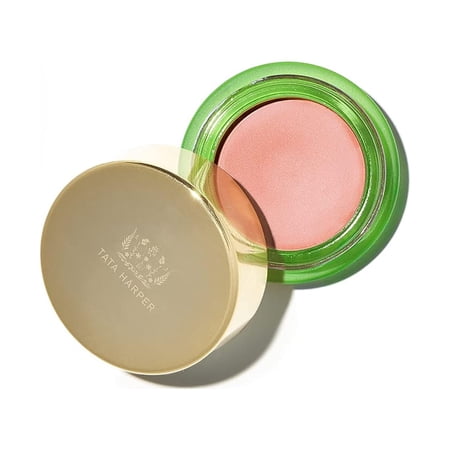


NUDESTIX Nudies Matte Lux All Over Face Blush Colour
Summary
This blush contains a mix of natural and synthetic ingredients, with some beneficial components like natural oils and skin actives. However, the presence of synthetic fragrance and other processed ingredients lowers its overall safety profile. The product's processing level also impacts its score, as it is not entirely composed of clean, natural ingredients.
At a glance
Key ingredients 20
Diisostearyl Malate
Diisostearyl Malate is an emollient that provides a smooth application and enhances the texture of cosmetic products. It is commonly used in lipsticks and blushes for its ability to improve spreadability. It is generally considered safe for use in cosmetics.
Risks
There are minimal risks associated with Diisostearyl Malate, though some individuals may experience mild irritation.
Benefits
It helps in providing a smooth and even application, enhancing the overall feel of the product.
Dimethicone
Dimethicone is a silicone-based polymer used to provide a smooth application and create a protective barrier on the skin. It is widely used in cosmetics for its ability to improve texture and spreadability. It is considered safe for use in cosmetics.
Risks
Some individuals may experience skin irritation or breakouts due to its occlusive nature.
Benefits
It helps in smoothing the skin's surface and can temporarily fill in fine lines and wrinkles.
Polybutene
Polybutene is a synthetic polymer used as a binder and thickener in cosmetics. It helps in improving the texture and consistency of products. It is generally regarded as safe for use in cosmetics.
Risks
There are minimal risks associated with Polybutene, though it may cause irritation in sensitive individuals.
Benefits
It enhances the texture and consistency of cosmetic products, contributing to a better application experience.
Caprylyl Methicone
Caprylyl Methicone is a silicone-based compound used to enhance the spreadability and feel of cosmetic products. It provides a lightweight, silky texture and improves the application of products. It is considered safe for use in cosmetics.
Risks
Potential risks include skin irritation or allergic reactions in sensitive individuals.
Benefits
It offers a lightweight, non-greasy feel, improving the overall sensory experience of the product.
Synthetic Wax
Synthetic Wax is used in cosmetics to provide structure and stability to products. It helps in maintaining the shape and consistency of solid products like blushes and lipsticks. It is generally considered safe for use in cosmetics.
Risks
There are minimal risks, though some individuals may experience irritation or allergic reactions.
Benefits
It provides structural integrity and stability to cosmetic formulations, ensuring consistent performance.
Vinyl Dimethicone/Methicone Silsesquioxane Crosspolymer
This ingredient is a silicone-based polymer used to enhance the texture and spreadability of cosmetic products. It provides a smooth, silky feel and improves the application of products. It is considered safe for use in cosmetics.
Risks
Potential risks include skin irritation or allergic reactions in sensitive individuals.
Benefits
It enhances the texture and spreadability of products, contributing to a smoother application.
Silica
Silica is a mineral used in cosmetics to improve texture and absorb excess oil. It provides a matte finish and enhances the feel of products. It is considered safe for use in cosmetics.
Risks
Inhalation of silica particles can pose respiratory risks, though this is more relevant in powder form.
Benefits
It helps in controlling shine and provides a smooth, matte finish to cosmetic products.
Dimethicone/Vinyl Dimethicone Crosspolymer
This ingredient is a silicone-based polymer used to enhance the texture and spreadability of cosmetic products. It provides a smooth, silky feel and improves the application of products. It is considered safe for use in cosmetics.
Risks
Potential risks include skin irritation or allergic reactions in sensitive individuals.
Benefits
It enhances the texture and spreadability of products, contributing to a smoother application.
Polyethylene
Polyethylene is a synthetic polymer used as a thickener and stabilizer in cosmetics. It helps in improving the texture and consistency of products. It is generally regarded as safe for use in cosmetics.
Risks
There are environmental concerns regarding microplastic pollution associated with polyethylene.
Benefits
It enhances the texture and consistency of cosmetic products, contributing to a better application experience.
Bis-Diglyceryl Polyacyladipate-2
This ingredient is an emollient used to provide a smooth application and enhance the texture of cosmetic products. It is commonly used in lipsticks and blushes for its ability to improve spreadability. It is generally considered safe for use in cosmetics.
Risks
There are minimal risks associated with this ingredient, though some individuals may experience mild irritation.
Benefits
It helps in providing a smooth and even application, enhancing the overall feel of the product.
Kaolin
Kaolin is a natural clay used in cosmetics for its absorbent properties. It helps in controlling oil and providing a matte finish. It is considered safe for use in cosmetics.
Risks
There are minimal risks, though overuse can lead to dryness or irritation in sensitive skin.
Benefits
It effectively absorbs excess oil and provides a smooth, matte finish to cosmetic products.
Aluminum Starch Octenylsuccinate
This ingredient is used in cosmetics as an absorbent and anti-caking agent. It helps in controlling oil and improving the texture of products. It is considered safe for use in cosmetics.
Risks
There are minimal risks, though some individuals may experience irritation or allergic reactions.
Benefits
It helps in controlling shine and improving the texture of cosmetic products.
C12-15 Alkyl Benzoate
C12-15 Alkyl Benzoate is an emollient used to enhance the texture and spreadability of cosmetic products. It provides a lightweight, silky feel and improves the application of products. It is considered safe for use in cosmetics.
Risks
Potential risks include skin irritation or allergic reactions in sensitive individuals.
Benefits
It offers a lightweight, non-greasy feel, improving the overall sensory experience of the product.
Tocopheryl Acetate
Tocopheryl Acetate is a form of Vitamin E used in cosmetics for its antioxidant properties. It helps in protecting the skin from free radical damage. It is considered safe for use in cosmetics.
Risks
There are minimal risks, though some individuals may experience irritation or allergic reactions.
Benefits
It provides antioxidant benefits, helping to protect the skin from environmental damage.
Phenoxyethanol
Phenoxyethanol is a preservative used in cosmetics to prevent microbial growth and extend shelf life. It is commonly used as an alternative to parabens. It is considered safe for use in cosmetics at low concentrations.
Risks
Potential risks include skin irritation or allergic reactions in sensitive individuals.
Benefits
It effectively preserves cosmetic products, preventing spoilage and microbial contamination.
Caprylyl Glycol
Caprylyl Glycol is a humectant and skin conditioning agent used in cosmetics. It helps in retaining moisture and improving the texture of products. It is considered safe for use in cosmetics.
Risks
There are minimal risks, though some individuals may experience irritation or allergic reactions.
Benefits
It helps in retaining moisture, improving the hydration and texture of cosmetic products.
Hexylene Glycol
Hexylene Glycol is a solvent and viscosity agent used in cosmetics to improve texture and spreadability. It helps in enhancing the application of products. It is considered safe for use in cosmetics.
Risks
Potential risks include skin irritation or allergic reactions in sensitive individuals.
Benefits
It improves the texture and spreadability of cosmetic products, contributing to a smoother application.
Pentaerythrityl Tetra-Di-T-Butyl Hydroxyhydrocinnamate
This ingredient is an antioxidant used in cosmetics to prevent the degradation of products. It helps in maintaining the stability and shelf life of formulations. It is considered safe for use in cosmetics.
Risks
There are minimal risks, though some individuals may experience irritation or allergic reactions.
Benefits
It provides antioxidant benefits, helping to maintain the stability and shelf life of cosmetic products.
Titanium Dioxide (Ci 77891)
Titanium Dioxide is a mineral used in cosmetics as a pigment and UV filter. It provides opacity and sun protection in products. It is considered safe for use in cosmetics.
Risks
Inhalation of titanium dioxide particles can pose respiratory risks, though this is more relevant in powder form.
Benefits
It provides effective sun protection and enhances the opacity of cosmetic products.
Iron Oxides (Ci 77491, Ci 77492, Ci 77499)
Iron Oxides are pigments used in cosmetics to provide color. They are commonly used in products like blushes and eyeshadows for their rich, natural hues. They are considered safe for use in cosmetics.
Risks
There are minimal risks, though some individuals may experience irritation or allergic reactions.
Benefits
They provide rich, natural color to cosmetic products, enhancing their visual appeal.
Processing
Processed Foods
Get the full breakdown in the Scout app
Scan any product to see lab results, healthy alternatives, and your personalized analysis.
Download on theApp Store