


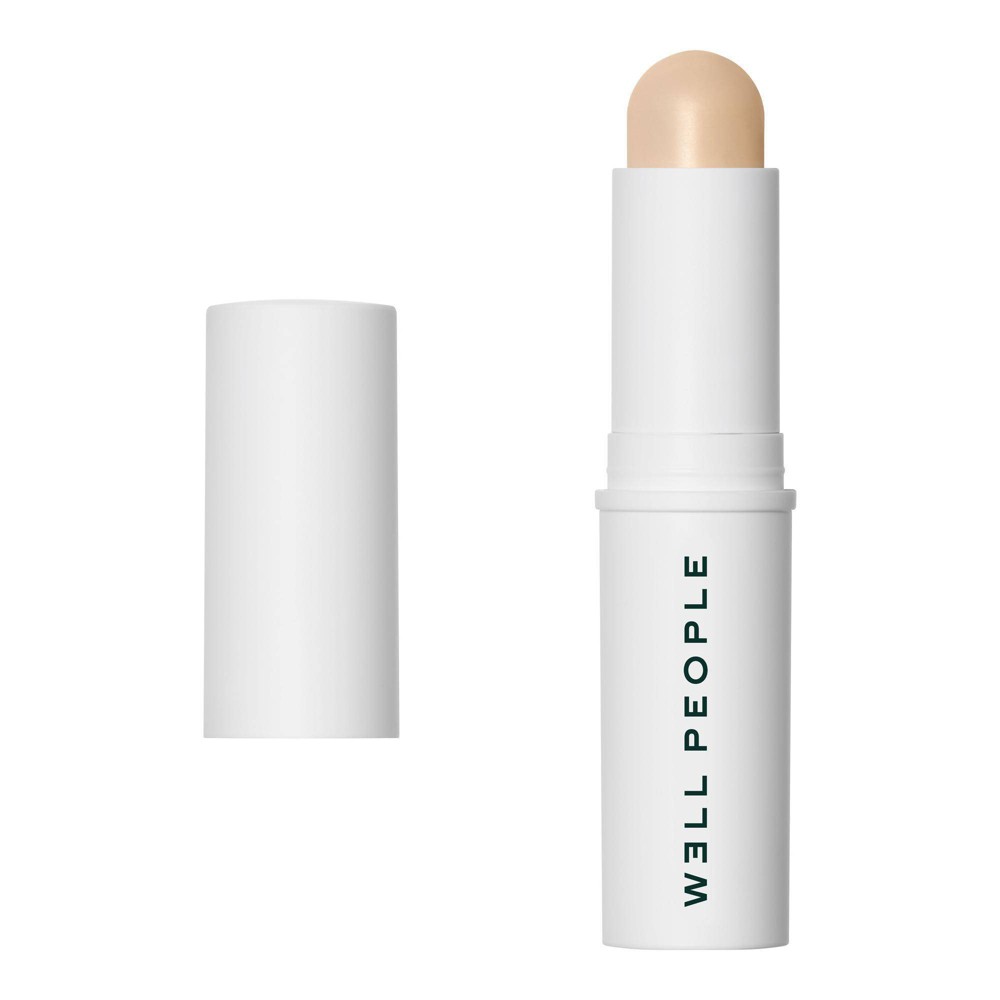

ILIA Skin Rewind Blurring Foundation and Concealer Complexion Stick, Size: .35Oz, 37n Ipe
Analysis updated August 2026 · How Scout scores
At a glance
Summary
This product contains several beneficial ingredients such as squalane, avocado oil, and ceramides, which are known for their moisturizing and skin-repairing properties. However, the presence of synthetic components like polyethylene and certain colorants indicates a moderate level of processing. While the formulation includes many skin-friendly elements, the inclusion of processed ingredients prevents it from achieving a top-tier rating.
Key ingredients 33
Caprylic/Capric TriglycerideVery Good
Caprylic/Capric Triglyceride is derived from coconut oil and glycerin. It is used as an emollient and skin-repairing ingredient. It is well-tolerated by most skin types and helps to replenish the skin's surface.
Risks
Generally considered safe with minimal risk of irritation.
Benefits
Provides excellent skin-conditioning properties and helps to restore the skin barrier.
SqualaneVery Good
Squalane is a highly effective emollient and natural antioxidant. It is derived from olives and is known for its moisturizing properties. It is non-irritating and suitable for all skin types.
Risks
Very low risk of irritation.
Benefits
Deeply hydrates and helps to maintain the skin's moisture barrier.
Persea Gratissima (Avocado) OilVery Good
Avocado Oil is a natural oil rich in fatty acids and vitamins. It is known for its moisturizing and nourishing properties. It is suitable for dry and sensitive skin types.
Risks
Very low risk of irritation.
Benefits
Deeply nourishes and hydrates the skin, providing essential nutrients.
Ceramide NGVery Good
Ceramide NG is a skin-identical ingredient used to restore the skin barrier. It is known for its moisturizing and protective properties. It helps to maintain skin hydration and improve barrier function.
Risks
Very low risk of irritation.
Benefits
Strengthens the skin barrier and enhances moisture retention.
TocopherolVery Good
Tocopherol is a form of Vitamin E used as an antioxidant in cosmetics. It is known for its skin-conditioning and protective properties. It helps to protect the skin from environmental damage.
Risks
Very low risk of irritation.
Benefits
Provides antioxidant benefits and helps to condition the skin.
Palmitoyl Hexapeptide-12Very Good
Palmitoyl Hexapeptide-12 is a peptide used for its anti-aging properties. It is known to help improve skin elasticity and firmness. It is considered safe and effective for use in cosmetics.
Risks
Very low risk of irritation.
Benefits
Enhances skin firmness and elasticity, providing anti-aging benefits.
MicaGood
Beneficial ingredient — whole-food or functional value in this product class.
Risks
Inhalation of mica dust can be harmful.
Benefits
Adds a shimmering effect to the product.
Tocopheryl AcetateGood
Tocopheryl Acetate is a form of Vitamin E used as an antioxidant in cosmetics. It is known for its skin-conditioning properties. It helps to protect the skin from environmental damage.
Risks
Very low risk of irritation.
Benefits
Provides antioxidant benefits and helps to condition the skin.
Alaria Esculenta ExtractGood
Alaria Esculenta Extract is a marine botanical extract used for its antioxidant properties. It is known for its skin-conditioning benefits. It helps to protect the skin from environmental stressors.
Risks
Very low risk of irritation.
Benefits
Provides antioxidant protection and conditions the skin.
Ethylhexyl PalmitateNeutral
Ethylhexyl Palmitate is an ester of 2-ethylhexyl alcohol and palmitic acid. It is commonly used as an emollient in cosmetics. It is generally considered safe and non-irritating.
Risks
There is a low risk of skin irritation for sensitive individuals.
Benefits
It provides a smooth application and helps to soften the skin.
Lauroyl LysineNeutral
Lauroyl Lysine is an amino acid derivative used to enhance the texture of cosmetic products. It is considered safe and non-irritating. It provides a silky feel to the skin.
Risks
Minimal risk of irritation.
Benefits
Improves the feel and application of the product.
Diisostearyl MalateNeutral
Diisostearyl Malate is an ester used as an emollient and skin conditioning agent. It is generally considered safe for use in cosmetics. It helps to improve the texture and spreadability of products.
Risks
Low risk of skin irritation.
Benefits
Enhances the smoothness and application of the product.
TriethylhexanoinNeutral
Triethylhexanoin is an emollient used to improve the texture of cosmetic products. It is considered safe and non-irritating. It helps to soften and smooth the skin.
Risks
Minimal risk of irritation.
Benefits
Provides a smooth application and helps to condition the skin.
Dimer Dilinoleyl Dimer DilinoleateNeutral
Dimer Dilinoleyl Dimer Dilinoleate is used as a film-forming agent in cosmetics. It is considered safe for use in cosmetics. It helps to improve the wear and longevity of the product.
Risks
Low risk of skin irritation.
Benefits
Enhances the durability and wear of the product.
Euphorbia Cerifera (Candelilla) WaxNeutral
Candelilla Wax is a plant-derived wax used as a thickening agent in cosmetics. It is considered safe and non-irritating. It helps to improve the texture and stability of the product.
Risks
Minimal risk of irritation.
Benefits
Provides a smooth application and enhances product stability.
SilicaNeutral
Silica is a mineral used in cosmetics for its oil-absorbing properties. It is generally considered safe for use in cosmetics. It helps to control shine and improve the texture of the product.
Risks
Inhalation of silica dust can be harmful.
Benefits
Helps to mattify the skin and improve product texture.
C12-15 Alkyl BenzoateNeutral
C12-15 Alkyl Benzoate is an ester used as an emollient and thickening agent in cosmetics. It is considered safe and non-irritating. It helps to improve the texture and spreadability of products.
Risks
Low risk of skin irritation.
Benefits
Enhances the smoothness and application of the product.
Polyhydroxystearic AcidNeutral
Polyhydroxystearic Acid is used as a thickening agent in cosmetics. It is considered safe for use in cosmetics. It helps to stabilize emulsions and improve product texture.
Risks
Minimal risk of irritation.
Benefits
Improves the stability and texture of the product.
Glyceryl Hydrogenated RosinateNeutral
Glyceryl Hydrogenated Rosinate is used as a film-forming agent in cosmetics. It is considered safe for use in cosmetics. It helps to improve the wear and longevity of the product.
Risks
Low risk of skin irritation.
Benefits
Enhances the durability and wear of the product.
Bis-Diglyceryl Polyacyladipate-2Neutral
Bis-Diglyceryl Polyacyladipate-2 is used as an emollient in cosmetics. It is considered safe for use in cosmetics. It helps to improve the texture and spreadability of products.
Risks
Low risk of skin irritation.
Benefits
Enhances the smoothness and application of the product.
Hydrogenated Vegetable OilNeutral
Hydrogenated Vegetable Oil is used as an emollient and thickening agent in cosmetics. It is considered safe for use in cosmetics. It helps to improve the texture and stability of the product.
Risks
Minimal risk of irritation.
Benefits
Provides a smooth application and enhances product stability.
TribeheninNeutral
Tribehenin is used as an emollient and thickening agent in cosmetics. It is considered safe for use in cosmetics. It helps to improve the texture and spreadability of products.
Risks
Low risk of skin irritation.
Benefits
Enhances the smoothness and application of the product.
Caprylyl GlycolNeutral
Caprylyl Glycol is used as a skin conditioning agent and preservative booster in cosmetics. It is considered safe for use in cosmetics. It helps to improve the texture and stability of the product.
Risks
Minimal risk of irritation.
Benefits
Enhances product stability and provides skin conditioning benefits.
Behenyl BehenateNeutral
Behenyl Behenate is used as an emollient and thickening agent in cosmetics. It is considered safe for use in cosmetics. It helps to improve the texture and spreadability of products.
Risks
Low risk of skin irritation.
Benefits
Enhances the smoothness and application of the product.
Pentaerythrityl Tetra-Di-T-Butyl HydroxyhydrocinnamateNeutral
This ingredient is used as an antioxidant in cosmetics. It is considered safe for use in cosmetics. It helps to stabilize the product and prevent oxidation.
Risks
Minimal risk of irritation.
Benefits
Enhances product stability and prevents oxidation.
Lavandula Stoechas ExtractNeutral
Lavandula Stoechas Extract is derived from lavender and used for its fragrance and skin-conditioning properties. It is generally considered safe for use in cosmetics. It provides a pleasant scent and mild conditioning benefits.
Risks
Potential risk of irritation for sensitive skin.
Benefits
Adds fragrance and provides mild skin-conditioning benefits.
CI 77491Neutral
CI 77491 is an iron oxide used as a colorant in cosmetics. It is considered safe for use in cosmetics. It provides pigmentation to the product.
Risks
Minimal risk of irritation.
Benefits
Adds color to the product.
CI 77492Neutral
CI 77492 is an iron oxide used as a colorant in cosmetics. It is considered safe for use in cosmetics. It provides pigmentation to the product.
Risks
Minimal risk of irritation.
Benefits
Adds color to the product.
CI 77499Neutral
CI 77499 is an iron oxide used as a colorant in cosmetics. It is considered safe for use in cosmetics. It provides pigmentation to the product.
Risks
Minimal risk of irritation.
Benefits
Adds color to the product.
CI 77891Neutral
CI 77891, also known as Titanium Dioxide, is used as a colorant and UV filter in cosmetics. It is considered safe for use in cosmetics. It provides pigmentation and sun protection benefits.
Risks
Inhalation of fine particles can be harmful.
Benefits
Adds color and provides UV protection.
CI 19140Neutral
CI 19140, also known as Yellow 5, is a synthetic dye used as a colorant in cosmetics. It is considered safe for use in cosmetics. It provides pigmentation to the product.
Risks
Potential risk of allergic reactions in sensitive individuals.
Benefits
Adds color to the product.
CI 77007Neutral
CI 77007, also known as Ultramarine Blue, is a pigment used as a colorant in cosmetics. It is considered safe for use in cosmetics. It provides pigmentation to the product.
Risks
Minimal risk of irritation.
Benefits
Adds color to the product.
PolyethyleneVery Bad
Heavily flagged ingredient class under Scout's doctrine.
Risks
Environmental concerns due to its non-biodegradable nature.
Benefits
It helps in improving the texture and consistency of the product.
Processing
Processed Foods
Get the full breakdown in the Scout appTake Scout shopping
Scan any product to see lab results, healthy alternatives, and your personalized analysis.
Download on theApp Store GET IT ONGoogle PlayAmazon pricing & content
Amazon price as of . Product prices and availability are accurate as of the date/time indicated and are subject to change. Any price and availability information displayed on Amazon.com at the time of purchase will apply to the purchase of this product.
CERTAIN CONTENT THAT APPEARS ON THIS SITE COMES FROM AMAZON. THIS CONTENT IS PROVIDED “AS IS” AND IS SUBJECT TO CHANGE OR REMOVAL AT ANY TIME.