
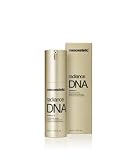

Mesoestetic Radiance Dna Essense Event Price
Summary
This skincare product contains beneficial ingredients like Bakuchiol and Stable Vitamin C, which are known for their anti-aging and skin-brightening properties. However, the presence of Cyclopentasiloxane, a silicone-based compound, raises environmental concerns and may affect skin health by trapping impurities. Despite being processed, the product's formulation includes several high-quality, effective ingredients that contribute positively to skin care.
At a glance
Key ingredients 9
DmaeGood
DMAE is known for its skin-firming properties and is often used in anti-aging products. It is typically synthesized in laboratories to ensure purity and effectiveness. DMAE can enhance the appearance of sagging skin and improve skin tone.
Risks
Some individuals may experience skin irritation or allergic reactions.
Benefits
It helps in reducing fine lines and wrinkles, promoting a youthful appearance.
ElastinGood
Elastin is a protein that helps maintain skin elasticity and resilience. It is usually derived from animal sources, which can raise ethical concerns but ensures high bioavailability. Elastin supports skin structure and helps in maintaining firmness.
Benefits
It aids in skin elasticity, helping to prevent sagging and wrinkles.
HydrovitonGood
Hydroviton is a moisturizing complex that provides long-lasting hydration to the skin. It is formulated with a blend of natural and synthetic ingredients to optimize moisture retention. This ingredient is beneficial for maintaining skin hydration and preventing dryness.
Benefits
It enhances skin moisture levels, improving texture and suppleness.
Retinyl PalmitateNeutral
Retinyl palmitate is a derivative of vitamin A used for its anti-aging properties. It is synthetically produced to ensure stability and effectiveness in skincare formulations. While it can improve skin texture, it may also cause irritation in sensitive individuals.
Risks
Potential for skin irritation and increased sensitivity to sunlight.
Benefits
It promotes cell turnover and can reduce the appearance of fine lines.
Lactic AcidGood
Lactic acid is an alpha hydroxy acid (AHA) that exfoliates the skin, promoting cell renewal. It is often derived from fermented milk, providing a natural source of exfoliation. Lactic acid helps in improving skin texture and reducing signs of aging.
Risks
May cause irritation or redness, especially in sensitive skin types.
Benefits
It enhances skin smoothness and brightness by removing dead skin cells.
CyclopentasiloxaneBad
Cyclopentasiloxane is a silicone-based compound used for its smoothing properties. It is synthetically produced and can create a barrier on the skin, which may trap impurities. While it provides a silky texture, it can also be occlusive and potentially harmful to the environment.
Risks
Concerns about bioaccumulation and environmental impact.
Benefits
Provides a smooth application and enhances product spreadability.
Azelaic AcidGood
Azelaic acid is a naturally occurring acid found in grains like barley and wheat. It is used for its anti-inflammatory and antimicrobial properties, beneficial in treating acne and rosacea. Azelaic acid helps in reducing redness and improving skin clarity.
Risks
May cause mild irritation or dryness in some users.
Benefits
It effectively treats acne and reduces skin inflammation.
BakuchiolVery Good
Bakuchiol is a plant-based alternative to retinol, offering similar anti-aging benefits without irritation. It is extracted from the seeds of the Psoralea corylifolia plant, ensuring a natural and gentle formulation. Bakuchiol is praised for its ability to improve skin elasticity and reduce fine lines.
Benefits
It provides anti-aging benefits and is suitable for sensitive skin.
Stable Vitamin CVery Good
Stable vitamin C is a potent antioxidant that brightens the skin and boosts collagen production. It is often stabilized through chemical modification to prevent oxidation and enhance efficacy. This form of vitamin C helps in reducing pigmentation and improving skin radiance.
Benefits
It brightens the complexion and supports collagen synthesis.
Processing
Processed Foods
Get the full breakdown in the Scout app
Scan any product to see lab results, healthy alternatives, and your personalized analysis.
Download on theApp Store