

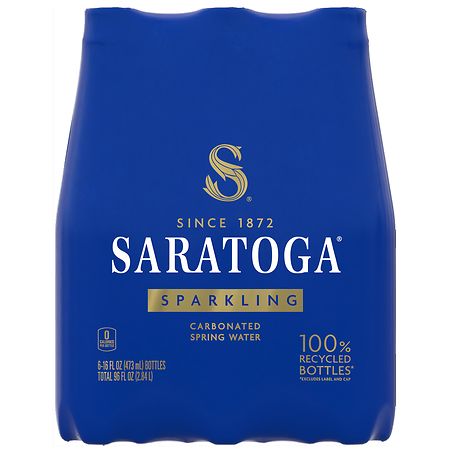
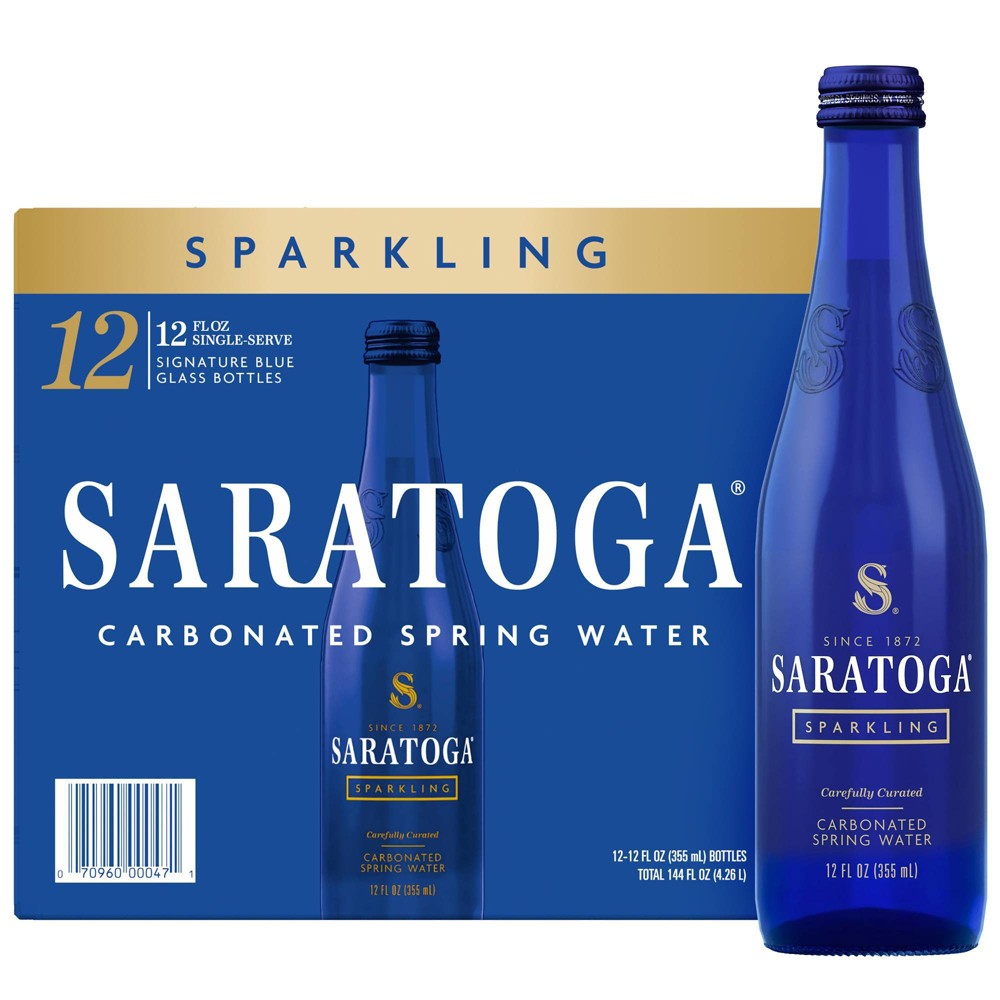
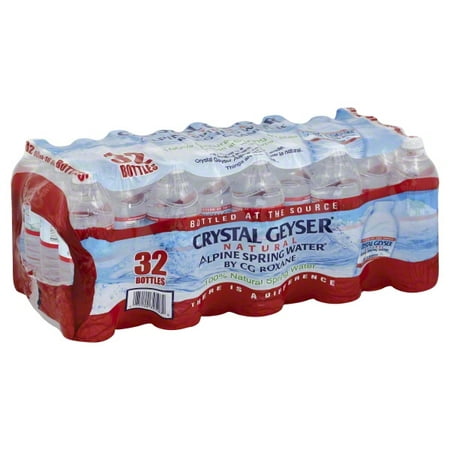

At a glance
Summary
This product is based on natural spring water, which is a high-quality source due to its minimal processing and natural filtration. However, the presence of metal salts at 87 ppm raises concerns about potential health risks, as the specific types and concentrations of metals are not detailed. The inclusion of fluoride ions is within acceptable limits, but the lack of transparency regarding PFAS testing and potential contaminants affects the overall rating.
Key ingredients 4
Spring WaterVery Good
Spring water is generally considered a high-quality source of hydration due to its natural origin and minimal processing. It often contains beneficial minerals that can contribute to overall health. The purity and natural filtration process through geological formations enhance its quality compared to other water sources.
Benefits
Provides essential hydration and may contain trace minerals beneficial for health.
OzoneNeutral
Ozone is used as a disinfectant in water treatment to ensure microbial safety. It is a strong oxidizing agent that helps eliminate bacteria and viruses. However, it does not leave any residual taste or odor, making it a neutral addition to water.
Benefits
Ensures microbial safety of the water without altering its taste or odor.
Flouride Ions0.1 ppmNeutral
Fluoride ions at 0.1 ppm are typically added to water to help prevent dental cavities. At low concentrations, fluoride is considered safe and beneficial for dental health. However, excessive fluoride can lead to dental fluorosis, so monitoring levels is important.
Risks
Excessive fluoride intake can lead to dental and skeletal fluorosis.
Benefits
Helps in the prevention of dental cavities when consumed in appropriate amounts.
Metal Salts87 ppmBad
Metal salts at 87 ppm can indicate the presence of various metals, which may pose health risks if consumed in excess. The specific types of metals and their concentrations are crucial in determining the safety and health impact. Without detailed information, the presence of metal salts is generally viewed with caution.
Risks
Potential health risks include toxicity and accumulation in the body if harmful metals are present.
Processing
Unprocessed or Minimally Processed Foods
Get the full breakdown in the Scout appTake Scout shopping
Scan any product to see lab results, healthy alternatives, and your personalized analysis.
Download on theApp Store GET IT ONGoogle Play