



At a glance
Summary
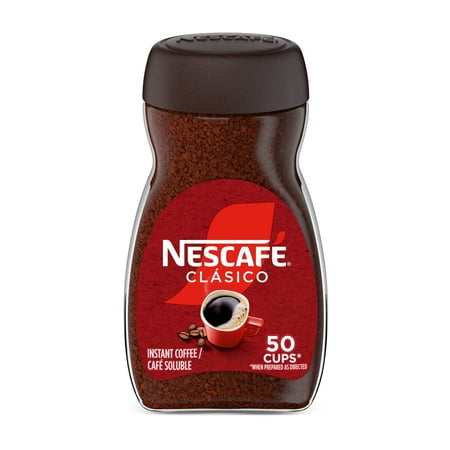
This product contains glucose syrup and sugar, which are high in sugar content and can lead to rapid spikes in blood sugar levels. The presence of skimmed milk powder and coconut oil adds to the processing level, making it a processed beverage. While it includes instant coffee, which retains antioxidants, the overall ingredient list and processing level limit its healthiness.
Key ingredients 10
Coconut OilGood
Beneficial ingredient — whole-food or functional value in this product class.
Risks
Excessive consumption of saturated fats may increase cholesterol levels.
Benefits
Contains MCTs which may provide a quick source of energy.
Instant CoffeeGood
Instant coffee is made from brewed coffee that has been freeze-dried or spray-dried. It retains most of the antioxidants found in regular coffee. It is convenient and provides a quick source of caffeine.
Benefits
Rich in antioxidants which may reduce inflammation and improve heart health.
InulinGood
Beneficial ingredient — whole-food or functional value in this product class.
Risks
May cause bloating and gas in sensitive individuals.
Benefits
Supports digestive health by promoting beneficial gut bacteria.
Skimmed Milk PowderNeutral
Skimmed milk powder is a dehydrated form of milk with reduced fat content. It provides protein and calcium but lacks the beneficial fats found in whole milk. It is often used in processed foods for its shelf stability.
Benefits
Provides protein and calcium, essential for bone health.
LactoseNeutral
Lactose is a sugar found in milk and dairy products. It is used as a sweetener and bulking agent in processed foods. Some individuals may be lactose intolerant and experience digestive issues.
Risks
May cause digestive discomfort in lactose-intolerant individuals.
Sodium CarbonatesNeutral
Sodium carbonates are used as a food additive to regulate acidity and act as a leavening agent. They are generally recognized as safe when used in food processing. They do not contribute significant nutritional value.
Citric AcidNeutral
Citric acid is a natural acid found in citrus fruits, used as a preservative and flavor enhancer. It is widely used in the food industry for its ability to add a sour taste and preserve freshness. It is generally recognized as safe.
Benefits
May enhance the absorption of minerals such as calcium.
Fat-reduced Cocoa PowderNeutral
Fat-reduced cocoa powder is cocoa with a lower fat content, used for flavoring. It retains some antioxidants but has less fat than regular cocoa powder. It is used in various food products for its chocolate flavor.
Benefits
Contains antioxidants that may support heart health.
Glucose SyrupBad
Glucose syrup is a liquid sweetener made from hydrolyzed starch, often corn. It is high in sugar and can contribute to increased blood sugar levels. Its high glycemic index can lead to rapid spikes in blood sugar.
Risks
High consumption may lead to obesity, insulin resistance, and other metabolic issues.
SugarBad
Sugar is a simple carbohydrate that provides sweetness and energy. Excessive consumption can lead to weight gain, dental issues, and increased risk of chronic diseases. It is often added to processed foods to enhance flavor.
Risks
High intake is associated with obesity, type 2 diabetes, and heart disease.
Processing
Processed Foods
Get the full breakdown in the Scout appTake Scout shopping
Scan any product to see lab results, healthy alternatives, and your personalized analysis.
Download on theApp Store GET IT ONGoogle PlayAmazon pricing & content
Amazon price as of . Product prices and availability are accurate as of the date/time indicated and are subject to change. Any price and availability information displayed on Amazon.com at the time of purchase will apply to the purchase of this product.
CERTAIN CONTENT THAT APPEARS ON THIS SITE COMES FROM AMAZON. THIS CONTENT IS PROVIDED “AS IS” AND IS SUBJECT TO CHANGE OR REMOVAL AT ANY TIME.