
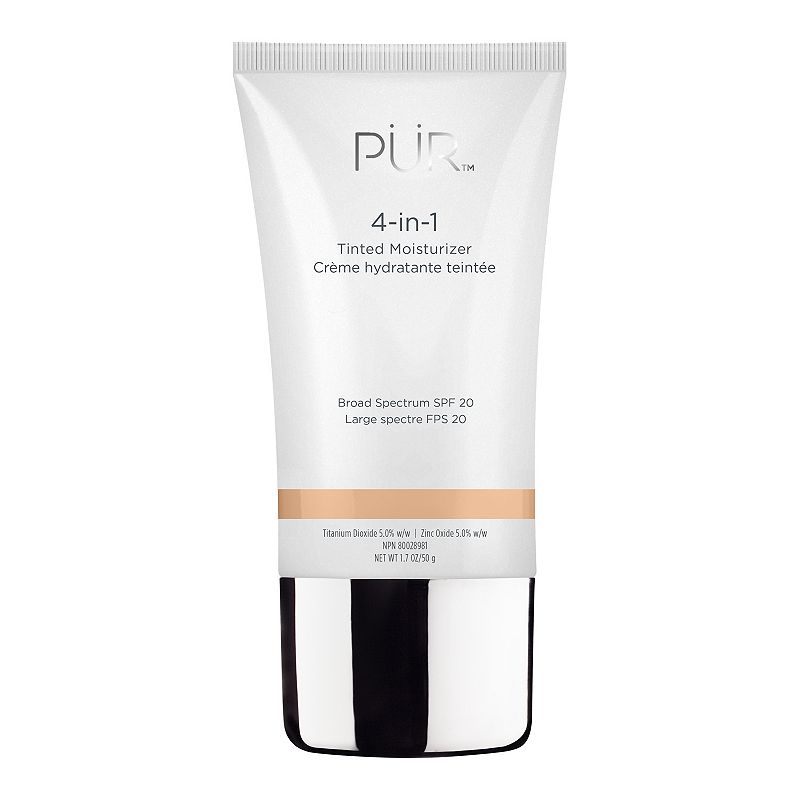


PUR 4-In-1 Tinted Moisturizer Spf 20
Summary
This tinted moisturizer contains beneficial ingredients like hyaluronic acid and zinc oxide, which are known for their skin-protective properties. However, the presence of synthetic fragrance and other processed components slightly lowers its safety profile. The product is moderately processed, which impacts its overall rating despite the inclusion of some skin-friendly actives.
At a glance
Key ingredients 15
Aqua
Aqua, or water, is a common solvent used in cosmetics. It helps dissolve other ingredients and provides a base for the formulation. It is essential for hydration and product consistency.
Risks
There are no significant risks associated with water in cosmetics.
Benefits
Water is crucial for hydration and helps in the application of the product.
Cyclopentasiloxane
Cyclopentasiloxane is a silicone that provides a smooth application and silky feel. It helps in spreading the product evenly on the skin. It evaporates quickly, leaving a non-greasy finish.
Risks
There are minimal risks, but some may experience mild irritation.
Benefits
It enhances the texture and spreadability of the product.
Butylene Glycol
Butylene Glycol is a humectant that helps retain moisture in the skin. It also acts as a solvent and improves the texture of the product. It is commonly used to enhance the penetration of other ingredients.
Risks
It may cause irritation in sensitive skin types.
Benefits
It effectively hydrates the skin and improves product texture.
Octyldodecyl Neopentanoate
This ingredient is an emollient that provides a smooth, soft feel to the skin. It helps in reducing the greasy feel of other oils in the formulation. It is often used to improve the spreadability of products.
Risks
Generally considered safe with low risk of irritation.
Benefits
It enhances the texture and feel of the product on the skin.
Titanium Dioxide
Titanium Dioxide is a mineral sunscreen agent that provides broad-spectrum UV protection. It is often used in cosmetics for its whitening and brightening effects. It is considered safe and effective for sun protection.
Risks
There is a low risk of inhalation concerns in powder form.
Benefits
It offers effective sun protection and is gentle on the skin.
Zinc Oxide
Zinc Oxide is a mineral sunscreen that provides broad-spectrum UV protection. It is known for its soothing and anti-inflammatory properties. It is often used in formulations for sensitive skin.
Risks
There are minimal risks, primarily related to inhalation in powder form.
Benefits
It provides excellent sun protection and is suitable for sensitive skin.
Aloe
Aloe is a natural botanical known for its soothing and hydrating properties. It helps calm irritated skin and provides moisture. It is widely used for its healing and anti-inflammatory effects.
Risks
Rarely, it may cause allergic reactions in sensitive individuals.
Benefits
It soothes and hydrates the skin, promoting healing.
Vitamin E
Vitamin E is an antioxidant that helps protect the skin from free radical damage. It also has moisturizing properties and supports skin barrier function. It is commonly used to enhance the stability of cosmetic formulations.
Risks
High concentrations may cause skin irritation in some individuals.
Benefits
It protects the skin from oxidative stress and enhances moisture retention.
Chamomile
Chamomile is a botanical extract known for its calming and anti-inflammatory properties. It helps soothe irritated skin and reduce redness. It is often used in products for sensitive skin.
Risks
Allergic reactions are possible in individuals sensitive to plants in the daisy family.
Benefits
It calms and soothes the skin, reducing inflammation.
Shea Butter
Shea Butter is a natural fat extracted from the nuts of the shea tree. It is known for its rich emollient properties and ability to deeply moisturize the skin. It also contains vitamins and fatty acids that nourish and protect the skin.
Risks
There is a low risk of allergic reactions, particularly in individuals with nut allergies.
Benefits
It provides deep hydration and nourishment to the skin.
Sodium Hyaluronate
Sodium Hyaluronate is a form of hyaluronic acid that acts as a powerful humectant. It attracts and retains moisture in the skin, providing plumpness and hydration. It is widely used for its anti-aging and skin-replenishing properties.
Risks
There are minimal risks, primarily related to potential irritation in sensitive skin.
Benefits
It hydrates and plumps the skin, reducing the appearance of fine lines.
Retinol
Retinol is a form of Vitamin A that promotes cell turnover and collagen production. It is widely used for its anti-aging benefits, improving skin texture and reducing wrinkles. It is considered a potent active ingredient in skincare.
Risks
It can cause irritation and sensitivity, especially in high concentrations.
Benefits
It improves skin texture and reduces signs of aging.
Retinyl Palmitate
Retinyl Palmitate is a milder form of Vitamin A that helps improve skin texture and tone. It is often used in anti-aging formulations for its ability to promote cell renewal. It is considered less irritating than retinol.
Risks
There is a potential risk of irritation and photosensitivity.
Benefits
It enhances skin renewal and improves texture.
Ceramide
Ceramides are lipids that help restore and maintain the skin's natural barrier. They are essential for retaining moisture and protecting the skin from environmental damage. They are commonly used in formulations for dry and sensitive skin.
Risks
There are minimal risks associated with ceramides.
Benefits
They strengthen the skin barrier and improve hydration.
Lactic Acid
Lactic Acid is an alpha hydroxy acid (AHA) that exfoliates the skin and improves texture. It helps in removing dead skin cells and promoting cell turnover. It is often used for its brightening and smoothing effects.
Risks
It can cause irritation and sensitivity, especially in high concentrations.
Benefits
It exfoliates and brightens the skin, improving texture.
Processing
Processed Foods
Get the full breakdown in the Scout app
Scan any product to see lab results, healthy alternatives, and your personalized analysis.
Download on theApp Store