
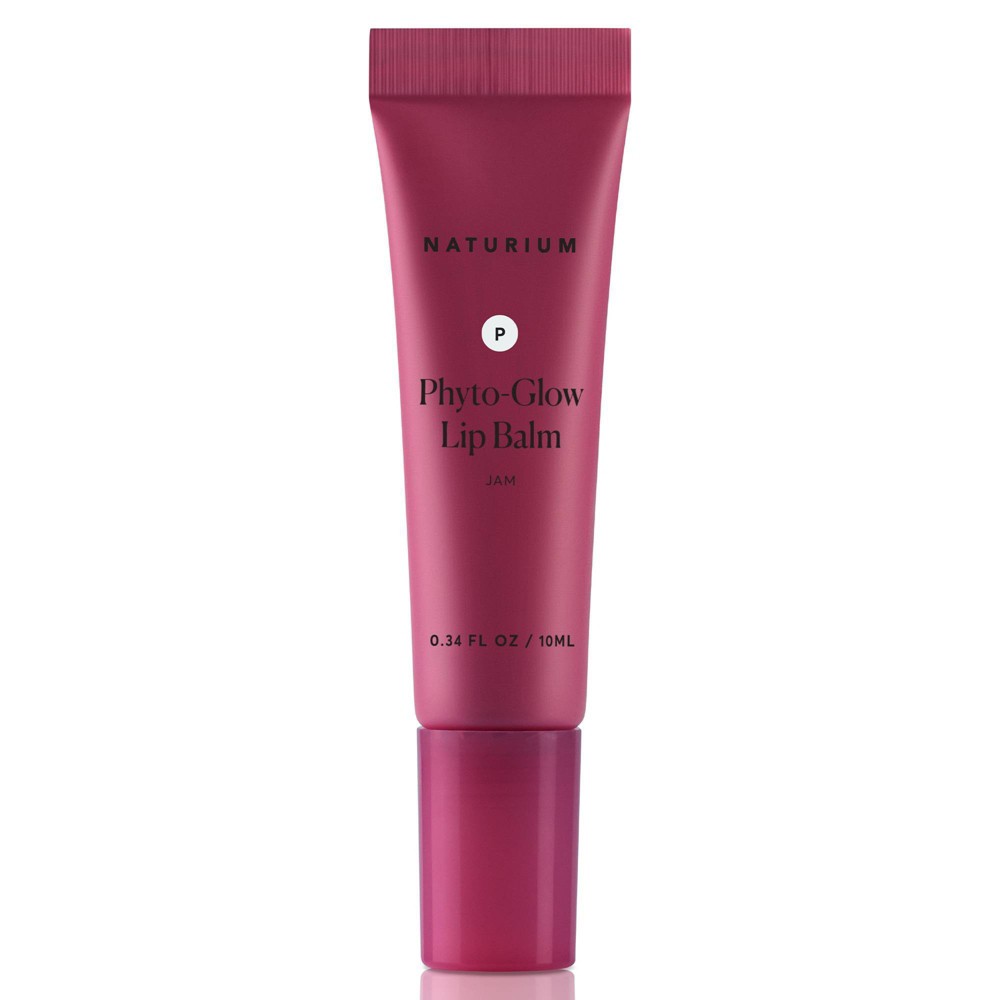

Naturium Phyto-Glow Lip Balm - Jam - 0.34 fl oz
Summary
This lip balm contains a mix of natural and synthetic ingredients, which affects its overall safety profile. While it includes beneficial components like natural oils and butters, the presence of synthetic additives and the processed nature of the product limit its score. The ingredient list is not as clean as top-tier products, which are free from synthetic chemicals and preservatives.
At a glance
Key ingredients 14
Phytosteryl/Isostearyl/Cetyl/Stearyl/Behenyl Dimer Dilinoleate
This is a complex ester used as an emollient and skin conditioning agent. It helps to improve the texture and feel of the product. It is generally considered safe and non-irritating.
Risks
There are minimal risks associated with this ingredient, primarily related to potential skin sensitivity in rare cases.
Benefits
It provides a smooth application and helps to lock in moisture, enhancing the lip balm's effectiveness.
Diisostearyl Malate
Diisostearyl Malate is an ester that acts as a skin conditioning agent and emollient. It is used to improve the texture and spreadability of cosmetic products. It is considered safe for use in cosmetics.
Risks
There are no significant risks associated with this ingredient.
Benefits
It helps to provide a smooth, non-greasy feel and enhances the moisturizing properties of the lip balm.
Hydrogenated Polyisobutene
Hydrogenated Polyisobutene is a synthetic polymer used as a skin conditioning agent and emollient. It provides a smooth, silky feel and helps to lock in moisture. It is considered safe for use in cosmetics.
Risks
There are minimal risks, primarily related to potential skin sensitivity in rare cases.
Benefits
It enhances the texture and longevity of the lip balm, providing a protective barrier on the lips.
Polybutene
Polybutene is a polymer used as a binder and viscosity increasing agent in cosmetics. It helps to improve the texture and spreadability of the product. It is generally considered safe for use in cosmetics.
Risks
There are minimal risks, primarily related to potential skin sensitivity in rare cases.
Benefits
It provides a smooth application and helps to maintain the product's consistency.
Polyglyceryl-2 Diisostearate
This is an emulsifier and skin conditioning agent used in cosmetics. It helps to blend oil and water components and improve the texture of the product. It is considered safe for use in cosmetics.
Risks
There are minimal risks associated with this ingredient.
Benefits
It enhances the stability and texture of the lip balm, contributing to a smooth application.
Butyrospermum Parkii (Shea) Butter
Shea Butter is a natural fat extracted from the nuts of the shea tree. It is used as an emollient and moisturizer in cosmetics. It is considered very good for skin health.
Risks
There are minimal risks, primarily related to potential allergies in individuals sensitive to nuts.
Benefits
It provides deep moisturization and nourishment to the lips, improving their texture and appearance.
Microcrystalline Wax
Microcrystalline Wax is a refined wax used as a thickening agent and emollient in cosmetics. It helps to improve the texture and stability of the product. It is considered safe for use in cosmetics.
Risks
There are minimal risks, primarily related to potential skin sensitivity in rare cases.
Benefits
It provides structure to the lip balm and helps to lock in moisture.
Flavor
Flavor is added to enhance the sensory experience of the product. It is a common additive in lip care products. The specific composition of the flavor is not disclosed.
Risks
There is a potential risk of irritation or allergic reaction, especially in sensitive individuals.
Benefits
It enhances the user experience by providing a pleasant taste or aroma.
Synthetic Wax
Synthetic Wax is used as a thickening agent and emollient in cosmetics. It helps to improve the texture and stability of the product. It is considered safe for use in cosmetics.
Risks
There are minimal risks, primarily related to potential skin sensitivity in rare cases.
Benefits
It provides structure to the lip balm and helps to lock in moisture.
Mica
Mica is a mineral used to add shimmer and color to cosmetics. It is commonly used in makeup products for its reflective properties. It is considered safe for use in cosmetics.
Risks
There is a potential risk of inhalation if used in loose powder form, but this is not applicable to lip balms.
Benefits
It provides a shimmering effect, enhancing the visual appeal of the lip balm.
Squalane
Squalane is a highly effective emollient and natural antioxidant. It is used to moisturize and protect the skin. It is considered very good for skin health.
Risks
There are minimal risks associated with this ingredient.
Benefits
It provides deep hydration and helps to maintain the skin's natural barrier.
Theobroma Grandiflorum Seed Butter
This is a natural butter extracted from the seeds of the cupuaçu tree. It is used as an emollient and moisturizer in cosmetics. It is considered very good for skin health.
Risks
There are minimal risks, primarily related to potential allergies in individuals sensitive to nuts.
Benefits
It provides deep moisturization and nourishment to the lips, improving their texture and appearance.
Tocopherol
Tocopherol, also known as Vitamin E, is a natural antioxidant used in cosmetics. It helps to protect the skin from oxidative stress. It is considered very good for skin health.
Risks
There are minimal risks associated with this ingredient.
Benefits
It provides antioxidant protection and helps to maintain the skin's health.
Citric Acid
Citric Acid is used as a pH adjuster and preservative in cosmetics. It helps to maintain the stability and shelf life of the product. It is considered safe for use in cosmetics.
Risks
There is a potential risk of irritation in sensitive individuals if used in high concentrations.
Benefits
It helps to maintain the product's stability and effectiveness.
Processing
Processed Foods
Get the full breakdown in the Scout app
Scan any product to see lab results, healthy alternatives, and your personalized analysis.
Download on theApp Store