
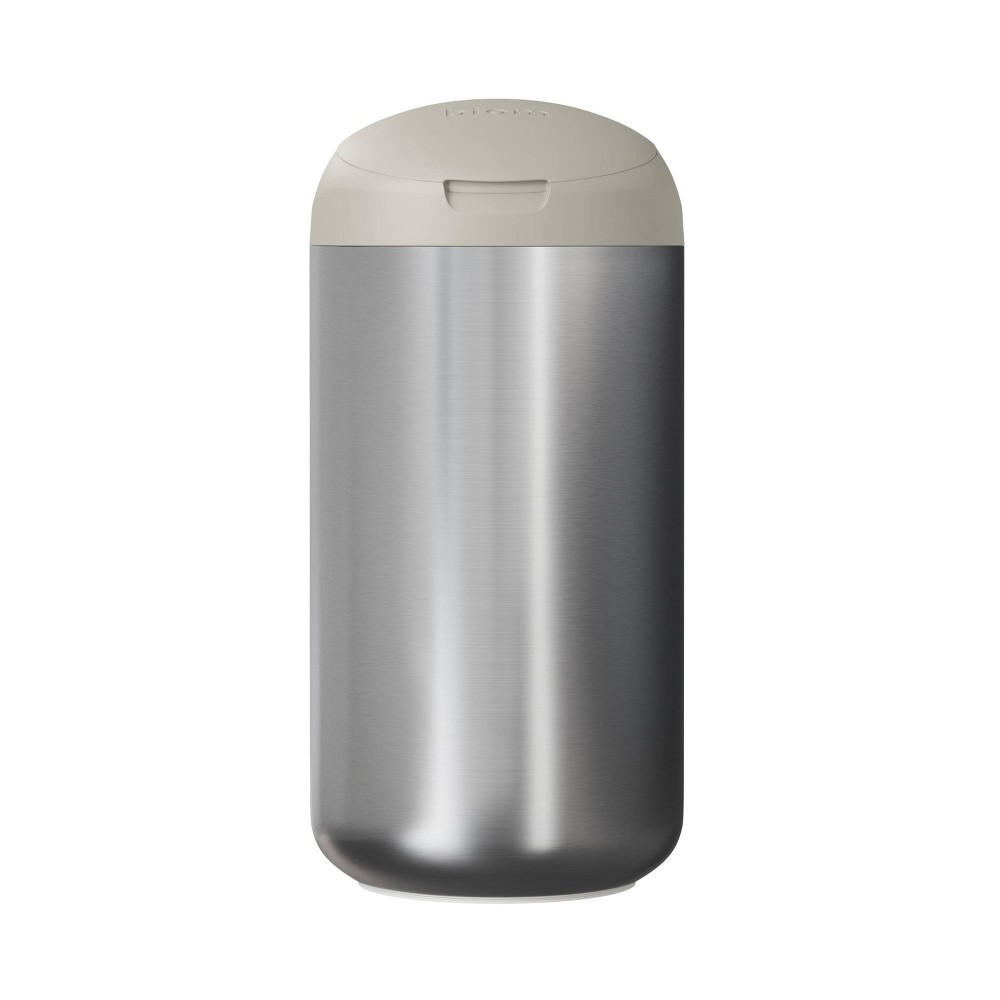
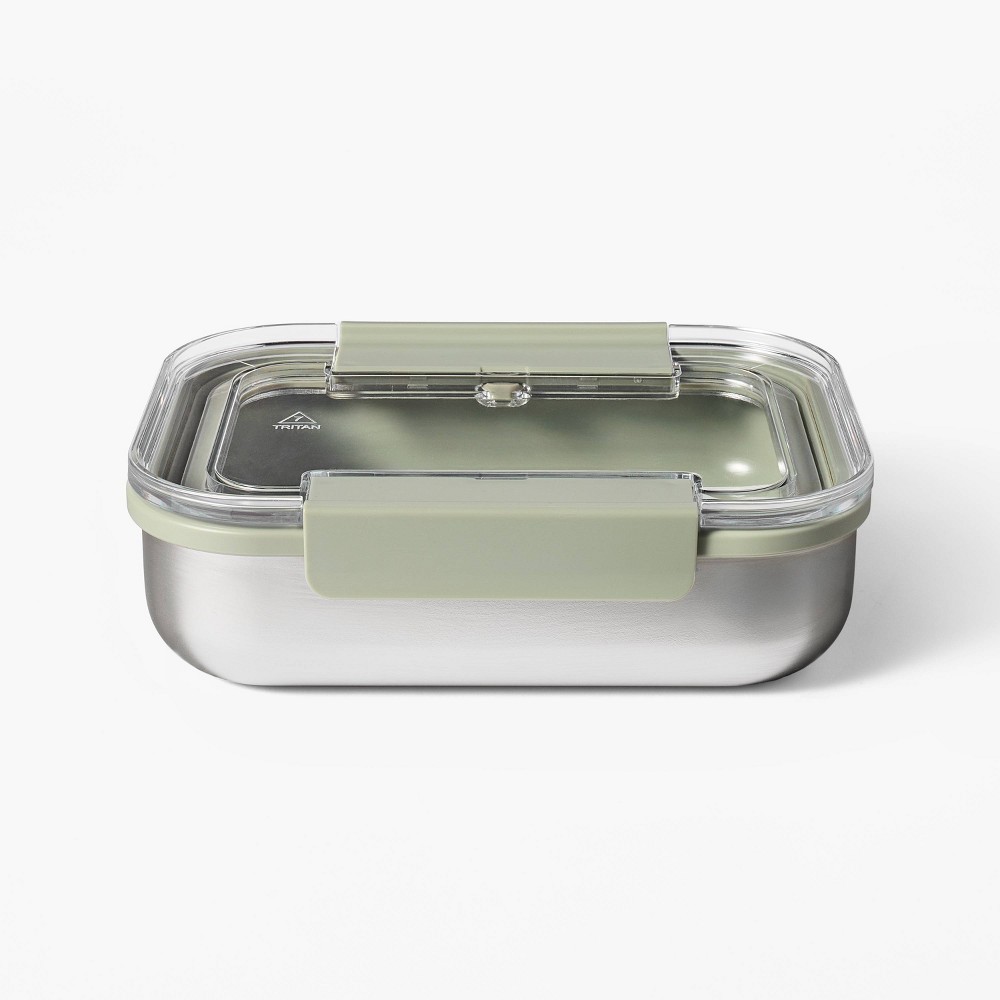
Biom Refillable Plant-Based Wipes Dispenser - Brushed Stainless
Summary
This product is made from minimally processed, plant-based materials, which are environmentally friendly and safe for use. The inclusion of natural ingredients like Aloe Barbadensis Leaf Juice and Polyglyceryl-4 Caprate, which are known for their moisturizing and emulsifying properties, contributes to its high rating. The absence of harmful chemicals or synthetic additives further enhances its safety and eco-friendliness.
At a glance
Key ingredients 8
WaterVery Good
Water is a universal solvent and is used as a base in many formulations. It helps dissolve other ingredients and provides moisture. It is essential for the product's function and safety.
Risks
There are no significant risks associated with water in this context.
Benefits
Water is hydrating and helps in the even distribution of other ingredients.
Polyglyceryl-4 CaprateGood
Polyglyceryl-4 Caprate is an emulsifier derived from natural sources. It helps to mix oil and water-based ingredients, enhancing the product's texture. It is considered safe and non-irritating.
Risks
There are minimal risks, primarily related to potential skin sensitivity in rare cases.
Benefits
It improves the stability and consistency of the product, making it more effective.
Aloe Barbadensis Leaf JuiceVery Good
Aloe Barbadensis Leaf Juice is known for its soothing and moisturizing properties. It is derived from the aloe plant and is often used in skincare for its healing benefits. It is a natural ingredient that enhances skin hydration.
Risks
There are minimal risks, mainly related to rare allergic reactions.
Benefits
It provides soothing and anti-inflammatory benefits, making it beneficial for sensitive skin.
Benzyl AlcoholNeutral
Benzyl Alcohol is used as a preservative and solvent in cosmetic products. It helps to prevent microbial growth, extending the product's shelf life. It is generally recognized as safe in low concentrations.
Risks
In higher concentrations, it may cause skin irritation or allergic reactions.
Benefits
It effectively preserves the product, preventing spoilage and contamination.
Dehydroacetic AcidNeutral
Dehydroacetic Acid is a preservative used to inhibit the growth of microorganisms. It is commonly used in cosmetics to ensure product safety. It is considered safe for use in low concentrations.
Risks
Potential risks include skin irritation if used in high concentrations.
Benefits
It helps maintain the product's integrity by preventing microbial contamination.
Benzoic AcidNeutral
Benzoic Acid is a preservative that helps prevent the growth of mold and bacteria. It is widely used in food and cosmetic products for its antimicrobial properties. It is generally recognized as safe when used appropriately.
Risks
May cause irritation or allergic reactions in sensitive individuals.
Benefits
It extends the shelf life of the product by preventing microbial growth.
Sorbic AcidNeutral
Sorbic Acid is a natural preservative used to prevent the growth of fungi, yeast, and mold. It is effective in low concentrations and is commonly used in food and cosmetics. It is considered safe for use in regulated amounts.
Risks
Potential skin irritation or allergic reactions in sensitive individuals.
Benefits
It helps maintain product safety and longevity by inhibiting microbial growth.
Sodium CitrateNeutral
Sodium Citrate is used as a buffering agent to control the pH of products. It helps stabilize the formulation and enhance the effectiveness of preservatives. It is generally recognized as safe and non-irritating.
Risks
There are minimal risks associated with its use in cosmetics.
Benefits
It helps maintain the stability and efficacy of the product.
Processing
Unprocessed or Minimally Processed Foods
Get the full breakdown in the Scout app
Scan any product to see lab results, healthy alternatives, and your personalized analysis.
Download on theApp Store