Ingredient
Sorbic Acid
What is Sorbic Acid?
Sorbic Acid is a naturally occurring compound that is synthetically produced for use in food preservation. It is commonly created through the condensation of crotonaldehyde and ketene, resulting in a white crystalline powder or granules.
It is widely used as a preservative due to its ability to inhibit the growth of mold, yeast, and some bacteria, extending the shelf life of many food products. Despite its synthetic production, sorbic acid is generally recognized as safe when used in appropriate quantities. However, in some individuals, it may cause mild allergic reactions or skin irritation.
When you see sorbic acid on a label, it is frequently included to maintain freshness and extend shelf life without altering the flavor or aroma of the product.
Commonly found in: sauces, jams, baked goods, dairy products, ready-to-eat meals
What to watch
- In some cases, sorbic acid can trigger mild skin irritation or allergic reactions.
- Excessive consumption may lead to gastrointestinal discomfort.
Benefits
- Effectively prevents the growth of mold and yeast, keeping food fresher longer.
Sorbic Acid is approved by the FDA as a food preservative and is generally recognized as safe (GRAS) for use in specified concentrations.
While recognized for its effectiveness in food preservation, some studies suggest occasional allergic reactions, though these are uncommon.
Sorbic Acid is not derived from animal products and is considered vegan-friendly.
Sources: Food Additive Status List · Safety and uses of sorbic acid
Scout's take
Processed additive flagged under Scout's ingredient doctrine.
The case against
It may cause irritation or allergic reactions in sensitive individuals.
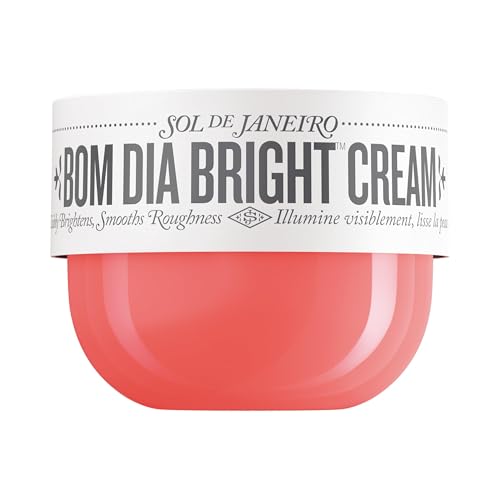
from the analysis of Sol De Janeiro Bom Dia Bright Body CreamPotential for allergic reactions or sensitivities in some individuals.
from the analysis of Philadelphia Regular Cream Cheese Tub - 12ozMay cause mild irritation in very sensitive skin.
from the analysis of Honest Beauty Gentle Gel Cleanser with Chamomile and CalendulaThe case for
It helps to preserve the product and prevent microbial contamination.
from the analysis of Sol De Janeiro Bom Dia Bright Body CreamHelps extend the shelf life of food products by preventing spoilage.
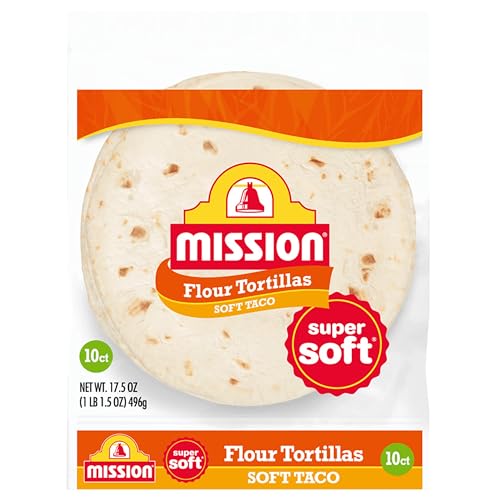
from the analysis of Mission, SUPER SOFT, FLOUR TORTILLASPrevents mold and yeast growth, extending the product's shelf life.
from the analysis of Philadelphia Regular Cream Cheese Tub - 12ozHelps to preserve the product and extend its shelf life.
from the analysis of Honest Beauty Gentle Gel Cleanser with Chamomile and CalendulaMore from Scout's analyses
Synthetic preservative — flagged in daily-use products.
from the analysis of Dr. Brown's Happy Teeth Fluoride-Free Baby Toothpaste StrawberrySorbic acid is a synthetic preservative used to prevent mold and yeast growth. It is effective in extending shelf life but is a synthetic additive. Some individuals may experience allergic reactions or sensitivities.
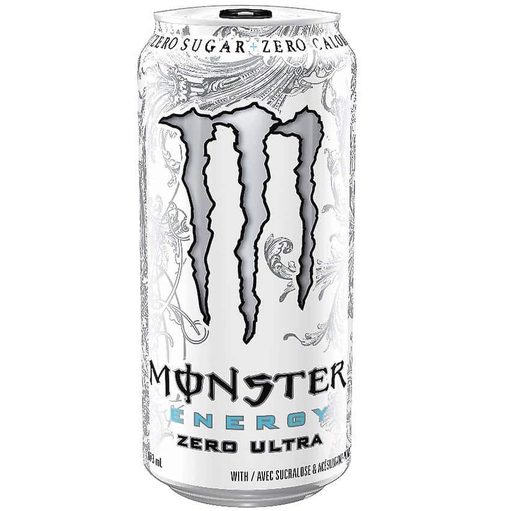
from the analysis of Philadelphia Regular Cream Cheese Tub - 12ozChemical preservative used to extend shelf life. Linked to potential allergic reactions and skin irritation in sensitive individuals.
from the analysis of Monster Energy Zero UltraFound in 12 products





Scan any product to see every ingredient explained — and healthier swaps.
Download on theApp Store GET IT ONGoogle Play