
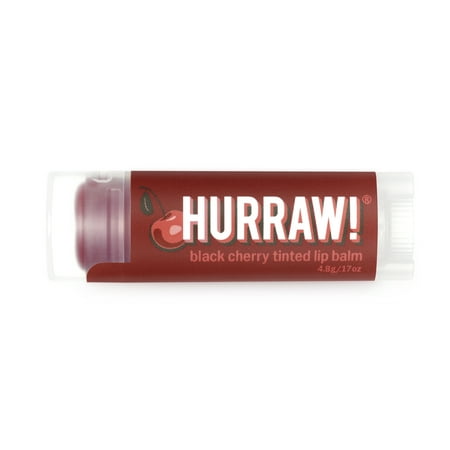


Hurraw Balm - Black Cherry - Tinted Lip Balm
Analysis updated August 2026 · How Scout scores
At a glance
Summary
This lip balm features a blend of natural oils and waxes, such as safflower seed oil, coconut oil, and candelilla wax, which are known for their moisturizing and protective properties. The ingredient list is composed of recognizable, minimally processed components without synthetic chemicals or harmful additives. The use of natural oils and butters contributes to its high rating, although the product is still considered processed.
Key ingredients 11
Carthamus tinctorius (safflower) seed oilVery Good
Safflower seed oil is a natural oil rich in linoleic acid, which helps to maintain the skin's barrier and prevent moisture loss. It is known for its emollient properties, making it beneficial for dry skin.
Risks
There are minimal risks associated with safflower seed oil, though some individuals may experience mild irritation if allergic.
Benefits
It provides excellent moisturizing properties and helps to soothe and soften the skin.
Cocos nucifera (coconut) oilVery Good
Coconut oil is a natural oil known for its moisturizing and antimicrobial properties. It is widely used in skincare for its ability to hydrate and protect the skin.
Risks
Coconut oil can cause breakouts in some individuals with acne-prone skin.
Benefits
It deeply moisturizes and nourishes the skin, making it soft and supple.
Ricinus communis (castor) seed oilVery Good
Castor seed oil is a thick, natural oil that provides excellent emollient properties. It is often used in lip care products for its ability to create a protective barrier.
Risks
Some individuals may experience allergic reactions or irritation from castor oil.
Benefits
It helps to lock in moisture and provides a glossy finish to lip products.
Theobroma cacao (cacao) seed butterVery Good
Cacao seed butter is a rich, natural butter known for its high fatty acid content, which helps to nourish and hydrate the skin. It is commonly used in lip balms for its smooth texture.
Risks
There are minimal risks, though it may cause allergic reactions in individuals sensitive to cocoa.
Benefits
It provides deep hydration and helps to improve skin elasticity.
Simmondsia chinensis (jojoba) seed oilVery Good
Jojoba seed oil is a natural oil that closely resembles the skin's natural sebum, making it an excellent moisturizer. It is non-comedogenic and suitable for all skin types.
Risks
There are minimal risks associated with jojoba oil, though it may cause irritation in rare cases.
Benefits
It helps to balance oil production and provides long-lasting moisture.
Olea europaea (olive) fruit oilVery Good
Olive fruit oil is a natural oil rich in antioxidants and essential fatty acids. It is known for its moisturizing and nourishing properties.
Risks
Olive oil may cause breakouts in individuals with acne-prone skin.
Benefits
It provides deep hydration and helps to protect the skin from environmental damage.
Helianthus annuus (sunflower) seed oilVery Good
Sunflower seed oil is a lightweight, natural oil that is high in vitamin E and fatty acids. It is known for its ability to soothe and moisturize the skin.
Risks
There are minimal risks, though it may cause allergic reactions in some individuals.
Benefits
It helps to maintain the skin's natural barrier and provides antioxidant protection.
Euphorbia cerifera cera (candelilla) waxGood
Candelilla wax is a plant-based wax that acts as a thickening agent and provides a protective barrier on the skin. It is a vegan alternative to beeswax.
Risks
There are no significant risks associated with candelilla wax, though it may cause minor irritation in sensitive individuals.
Benefits
It helps to lock in moisture and provides a smooth application for lip balms.
TocopherolGood
Tocopherol, also known as vitamin E, is a powerful antioxidant that helps to protect the skin from free radical damage. It is commonly used in skincare for its moisturizing properties.
Risks
There are minimal risks, though high concentrations may cause irritation in sensitive individuals.
Benefits
It helps to improve skin texture and provides antioxidant protection.
AromaNeutral
The term 'Aroma' typically refers to added scents or flavors in cosmetic products. It can be derived from natural or synthetic sources.
Risks
Potential risks include allergic reactions or irritation, especially if synthetic fragrances are used.
Benefits
Aroma can enhance the sensory experience of the product, making it more pleasant to use.
Alkanna tinctoria (alkanet) root extractNeutral
Alkanet root extract is a natural colorant used in cosmetics to provide a red tint. It is derived from the roots of the Alkanna tinctoria plant.
Risks
There are minimal risks, though it may cause allergic reactions in some individuals.
Benefits
It provides natural coloring without the use of synthetic dyes.
Get the full breakdown in the Scout appTake Scout shopping
Scan any product to see lab results, healthy alternatives, and your personalized analysis.
Download on theApp Store GET IT ONGoogle PlayAmazon pricing & content
Amazon price as of . Product prices and availability are accurate as of the date/time indicated and are subject to change. Any price and availability information displayed on Amazon.com at the time of purchase will apply to the purchase of this product.
CERTAIN CONTENT THAT APPEARS ON THIS SITE COMES FROM AMAZON. THIS CONTENT IS PROVIDED “AS IS” AND IS SUBJECT TO CHANGE OR REMOVAL AT ANY TIME.