
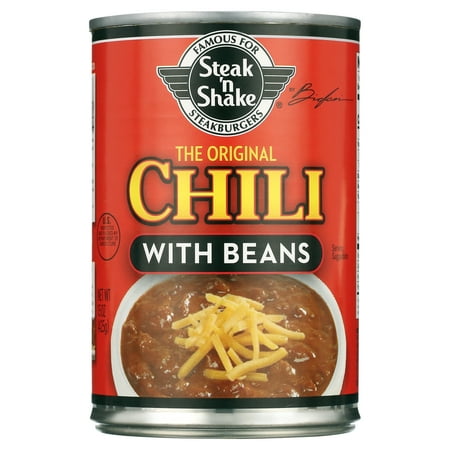
CHILI WITH BEANS
Summary
This chili with beans is heavily processed, which limits its health score despite containing beneficial ingredients like beef and beans. The presence of natural flavors and additives such as soy lecithin contributes to its processing level, while the high sodium content is also a concern. The product's ultra-processed nature and use of non-specific flavor enhancers further impact its overall healthiness.
At a glance
Key ingredients 9
WaterNeutral
Water is a neutral ingredient used as a base or solvent in many food products. It does not contribute any calories or nutrients. Its primary role is to provide moisture and consistency.
See more about Water →BeefGood
Beef is a source of high-quality protein and essential nutrients like iron and B vitamins. The quality of beef can vary based on factors like grass-fed versus grain-fed, which affects nutrient content. It provides a rich amino acid profile beneficial for muscle maintenance.
Risks
Excessive consumption of red meat has been linked to health concerns such as heart disease and certain cancers.
Benefits
Rich in protein and essential nutrients like iron, zinc, and vitamin B12, supporting muscle growth and overall health.
BeansGood
Beans are a good source of plant-based protein and dietary fiber. They contribute to heart health and help in maintaining stable blood sugar levels. Their nutrient density makes them a beneficial component of a balanced diet.
Risks
Beans can cause digestive discomfort in some individuals due to their fiber content.
Benefits
High in fiber and protein, beans support digestive health and provide essential nutrients like folate and iron.
Chili seasoningNeutral
Chili seasoning adds flavor and spice to the dish, typically containing chili pepper, paprika, and garlic. The seasoning itself is not inherently harmful but can vary in quality based on the source of spices. It enhances the taste profile without significant nutritional impact.
Risks
Excessive consumption of spicy foods can cause digestive discomfort in sensitive individuals.
Benefits
Provides flavor and may contain antioxidants from spices like chili pepper and paprika.
Food starch-modifiedNeutral
Modified food starch is used as a thickening agent to improve texture and stability. It is derived from various starch sources and undergoes processing to enhance its properties. It does not contribute significant nutritional value.
SaltNeutral
Salt is used to enhance flavor and preserve food. It is essential for maintaining fluid balance and nerve function. However, excessive intake can lead to health issues.
Risks
High sodium intake is associated with increased risk of hypertension and cardiovascular diseases.
Benefits
Essential for maintaining electrolyte balance and proper muscle function.
Soy lecithinNeutral
Soy lecithin is an emulsifier that helps blend ingredients and improve texture. It is derived from soybeans and is commonly used in processed foods. It is generally recognized as safe in small amounts.
Risks
May cause allergic reactions in individuals sensitive to soy.
Benefits
Helps improve texture and consistency of food products.
Extractives of paprikaNeutral
Extractives of paprika are used for color and flavor enhancement. They are derived from paprika peppers and add a natural red hue to foods. They do not significantly impact nutritional content.
Benefits
Provides natural color and flavor without artificial additives.
Natural flavorsBad
Natural flavors are used to enhance taste but lack transparency in their composition. They can contain a variety of compounds derived from natural sources. The lack of specificity can be concerning for those with allergies or sensitivities.
Risks
Potential allergen risk due to unspecified ingredients and lack of transparency.
Processing
Ultra-Processed Foods
Get the full breakdown in the Scout app
Scan any product to see lab results, healthy alternatives, and your personalized analysis.
Download on theApp Store