
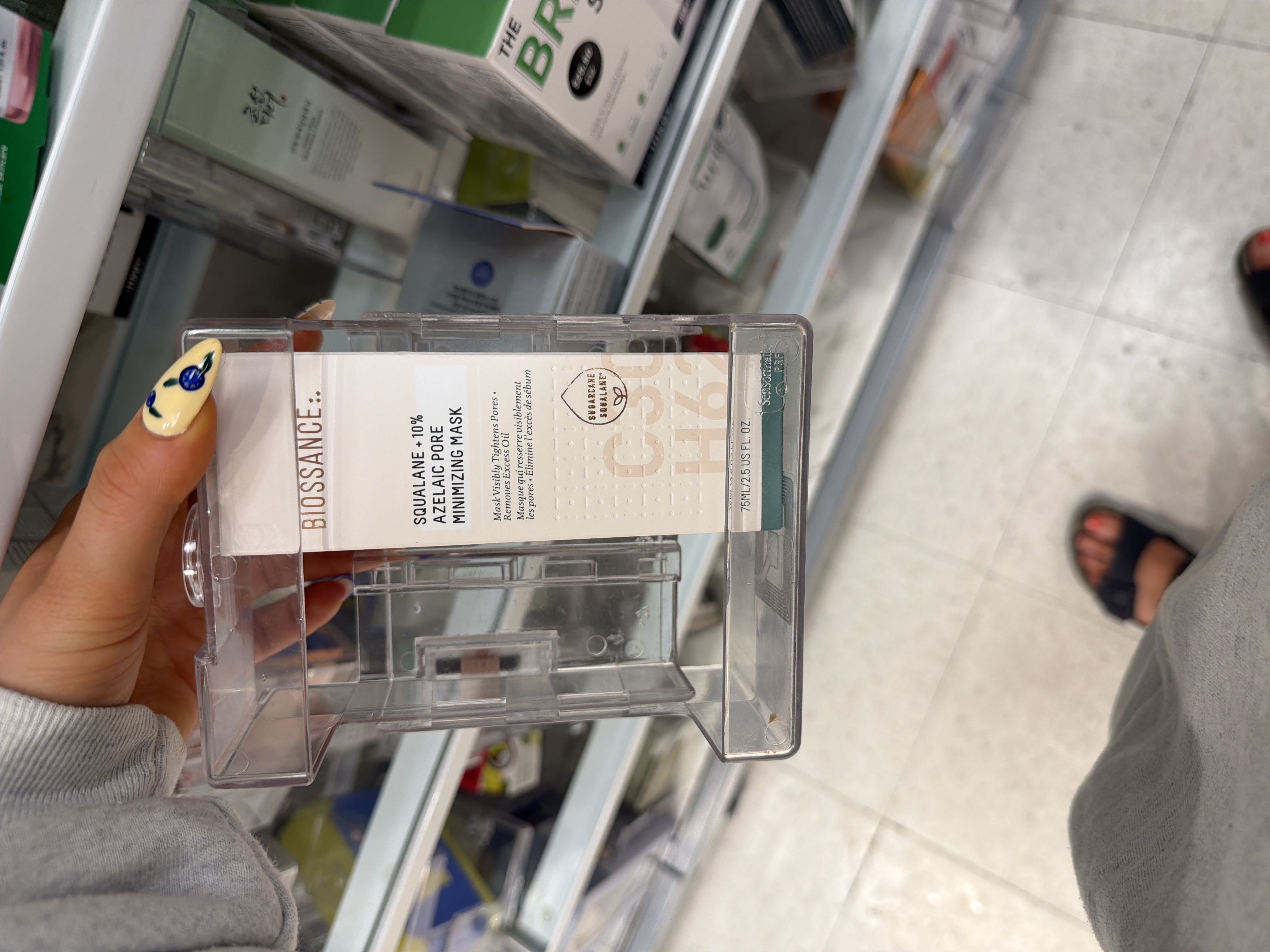

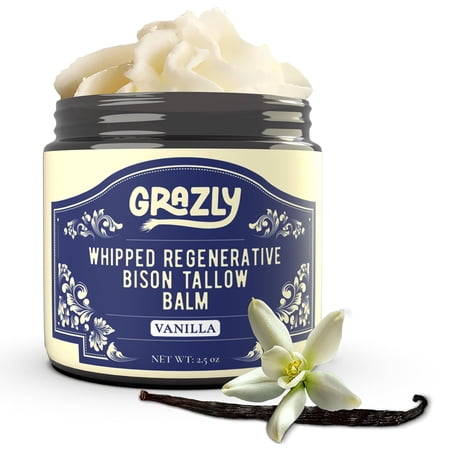
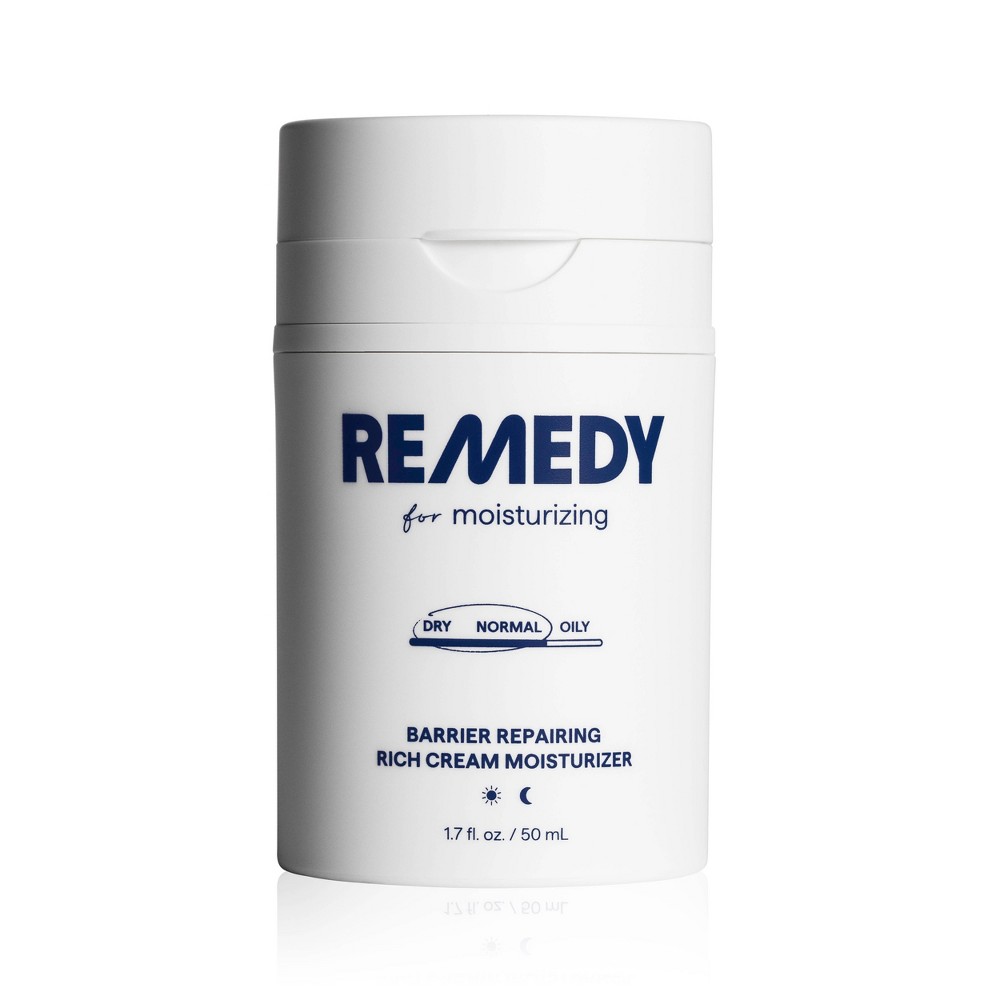

Biossance Squalane + Omega Repair Cream .5oz - Nourish, Restore, Moisture Barrie
Analysis updated August 2026 · How Scout scores
At a glance
Summary
This moisturizer features a clean and natural ingredient list, with beneficial components like squalane, glycerin, and hyaluronic acid that provide excellent hydration and skin barrier support. The inclusion of antioxidants such as Vitamin E and Euterpe Oleracea Sterols further enhances its protective qualities. The product is minimally processed and free from harmful additives, making it a top-tier choice for skincare.
Key ingredients 13
SqualaneVery Good
Squalane is a highly effective emollient and natural antioxidant. It helps to lock in moisture and is known for its skin-repairing properties. It is non-irritating and suitable for all skin types.
Risks
There are minimal risks associated with squalane as it is generally well-tolerated.
Benefits
Squalane provides excellent moisturizing and skin-repairing benefits.
Vitamin EVery Good
Vitamin E is a powerful antioxidant that helps protect the skin from damage caused by free radicals. It also has moisturizing and healing properties. It is widely used in skincare for its protective benefits.
Risks
Vitamin E is generally safe, but in rare cases, it may cause skin irritation.
Benefits
It provides antioxidant protection and supports skin healing.
GlycerinGood
Glycerin is a humectant that attracts moisture to the skin, helping to keep it hydrated. It is widely used in skincare for its moisturizing properties. It is generally safe and non-irritating.
Risks
Glycerin is generally safe, but in rare cases, it may cause irritation if used in high concentrations.
Benefits
Glycerin helps to maintain skin hydration and improve skin barrier function.
Caprylic/Capric TriglycerideGood
Caprylic/Capric Triglyceride is an emollient derived from coconut oil and glycerin. It helps to smooth skin and works as a carrier for other ingredients. It is lightweight and non-greasy.
Risks
There are minimal risks, though it may cause mild irritation in sensitive individuals.
Benefits
It provides a silky feel and enhances the spreadability of the product.
Hyaluronic AcidGood
Hyaluronic Acid is a potent humectant that can hold up to 1000 times its weight in water. It helps to hydrate and plump the skin, reducing the appearance of fine lines. It is suitable for all skin types and is non-irritating.
Risks
There are minimal risks associated with hyaluronic acid.
Benefits
It provides intense hydration and helps to plump the skin.
Ceramide NPGood
Ceramide NP is a lipid that helps to restore the skin barrier and retain moisture. It is essential for maintaining healthy skin and preventing moisture loss. It is beneficial for dry and sensitive skin types.
Risks
There are minimal risks associated with ceramides.
Benefits
It strengthens the skin barrier and improves moisture retention.
Linolenic AcidGood
Linolenic Acid is an essential fatty acid that helps to maintain the skin barrier and reduce inflammation. It is beneficial for dry and sensitive skin types. It is known for its anti-inflammatory and moisturizing properties.
Risks
There are minimal risks associated with linolenic acid.
Benefits
It supports skin barrier function and reduces inflammation.
Euterpe Oleracea SterolsGood
Euterpe Oleracea Sterols are derived from acai berries and are rich in antioxidants. They help to protect the skin from environmental damage and improve skin elasticity. They are beneficial for maintaining healthy skin.
Risks
There are minimal risks associated with Euterpe Oleracea Sterols.
Benefits
They provide antioxidant protection and improve skin elasticity.
Linoleic AcidGood
Linoleic Acid is an essential fatty acid that helps to maintain the skin barrier and improve moisture retention. It is beneficial for acne-prone and sensitive skin types. It is known for its anti-inflammatory and moisturizing properties.
Risks
There are minimal risks associated with linoleic acid.
Benefits
It supports skin barrier function and improves moisture retention.
WaterNeutral
Water is a common solvent used in cosmetics to dissolve other ingredients. It helps in the application and absorption of the product. It does not provide direct benefits or risks.
Risks
There are no significant risks associated with water in cosmetics.
Benefits
Water helps in the application and absorption of the product.
Isoamyl LaurateNeutral
Isoamyl Laurate is an ester used as an emollient and texture enhancer in cosmetics. It provides a smooth application and a soft feel. It is generally considered safe for use in cosmetics.
Risks
There are no significant risks associated with Isoamyl Laurate.
Benefits
It enhances the texture and application of the product.
Sorbitan OlivateNeutral
Sorbitan Olivate is an emulsifier derived from olive oil. It helps to blend oil and water-based ingredients in formulations. It is generally considered safe for use in cosmetics.
Risks
There are no significant risks associated with Sorbitan Olivate.
Benefits
It helps to stabilize emulsions and improve product texture.
Oleic AcidNeutral
Oleic Acid is a fatty acid that acts as an emollient and texture enhancer in cosmetics. It helps to soften and smooth the skin. It is generally safe for use in skincare products.
Risks
In high concentrations, it may cause irritation for some skin types.
Benefits
It provides emollient properties and enhances product texture.
Processing
Unprocessed or Minimally Processed Foods
Get the full breakdown in the Scout appTake Scout shopping
Scan any product to see lab results, healthy alternatives, and your personalized analysis.
Download on theApp Store GET IT ONGoogle PlayAmazon pricing & content
Amazon price as of . Product prices and availability are accurate as of the date/time indicated and are subject to change. Any price and availability information displayed on Amazon.com at the time of purchase will apply to the purchase of this product.
CERTAIN CONTENT THAT APPEARS ON THIS SITE COMES FROM AMAZON. THIS CONTENT IS PROVIDED “AS IS” AND IS SUBJECT TO CHANGE OR REMOVAL AT ANY TIME.