
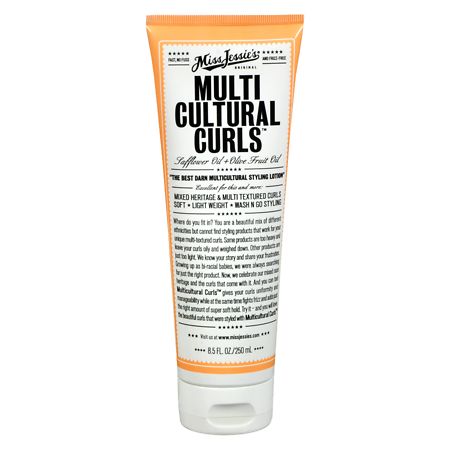
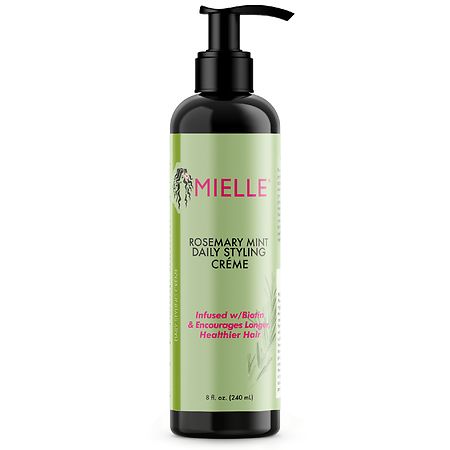
Miss Jessie's Multicultural Curls - 8.5 fl oz: Curl Enhancing Lotion, Moisturizing, Smoothing for Textured Hair
Summary
This curl enhancing lotion contains a mix of natural and synthetic ingredients, with some beneficial components like moisturizing agents and botanicals. However, the presence of synthetic emulsifiers and preservatives, along with its processed nature, slightly lowers its overall rating. The product is designed for textured hair, offering moisturizing and smoothing benefits, but the processing level and inclusion of certain synthetic ingredients prevent it from achieving a higher score.
At a glance
Key ingredients 7
Cetearyl Alcohol
Cetearyl Alcohol is a fatty alcohol used as an emollient and thickener in cosmetic formulations. It helps to soften and smooth the hair, improving texture and manageability. It is considered safe and non-irritating for most skin types.
Risks
There are minimal risks associated with Cetearyl Alcohol, primarily limited to potential mild irritation in very sensitive individuals.
Benefits
It provides moisturizing properties and helps to stabilize emulsions, enhancing the overall feel of the product.
Glycerin
Glycerin is a humectant that attracts moisture to the hair and skin, helping to maintain hydration. It is widely used in cosmetics for its ability to improve moisture retention. It is generally considered safe and beneficial for most skin types.
Risks
In very humid conditions, glycerin can draw moisture from the hair, potentially leading to frizz.
Benefits
It enhances moisture levels in the hair, improving softness and elasticity.
Olea Europaea (Olive) Fruit Oil
Olive Oil is a natural oil rich in antioxidants and fatty acids, providing nourishment and moisture to the hair. It is known for its conditioning properties and ability to improve hair strength and shine. It is considered a beneficial ingredient in hair care products.
Risks
There is a low risk of allergic reactions, though it is generally well-tolerated.
Benefits
It deeply moisturizes and conditions the hair, enhancing its overall health and appearance.
Carthamus Tinctorius (Safflower) Seed Oil
Safflower Seed Oil is a natural oil that contains high levels of linoleic acid, which helps to moisturize and nourish the hair. It is used in cosmetics for its emollient properties and ability to improve hair texture. It is considered safe and beneficial for hair care.
Risks
There is a minimal risk of skin irritation or allergic reaction, though it is rare.
Benefits
It provides essential fatty acids that help to maintain hair moisture and improve softness.
Octyl Methoxycinnamate
Octyl Methoxycinnamate is a UV filter used to protect hair from sun damage. It absorbs UVB rays, preventing them from penetrating the hair shaft. It is commonly used in hair and skin products for sun protection.
Risks
There are concerns about its potential to cause skin irritation and its environmental impact, particularly in aquatic ecosystems.
Benefits
It helps to protect hair from UV damage, preserving color and preventing dryness.
BHT
BHT (Butylated Hydroxytoluene) is an antioxidant used to prevent the oxidation of oils in cosmetic products, extending their shelf life. It is effective in maintaining product stability. However, its safety in cosmetics is debated.
Risks
There are concerns about its potential endocrine-disrupting effects and skin irritation in sensitive individuals.
Benefits
It helps to preserve the integrity of the product by preventing rancidity of oils.
Fragrance (Parfum)
Fragrance is added to cosmetics to provide a pleasant scent, enhancing the user experience. It is a common ingredient in personal care products. However, it can be a source of allergens and irritants.
Risks
Fragrance can cause allergic reactions and skin irritation, especially in sensitive individuals.
Benefits
It improves the sensory appeal of the product, making it more enjoyable to use.
Processing
Processed Foods
Get the full breakdown in the Scout app
Scan any product to see lab results, healthy alternatives, and your personalized analysis.
Download on theApp Store