
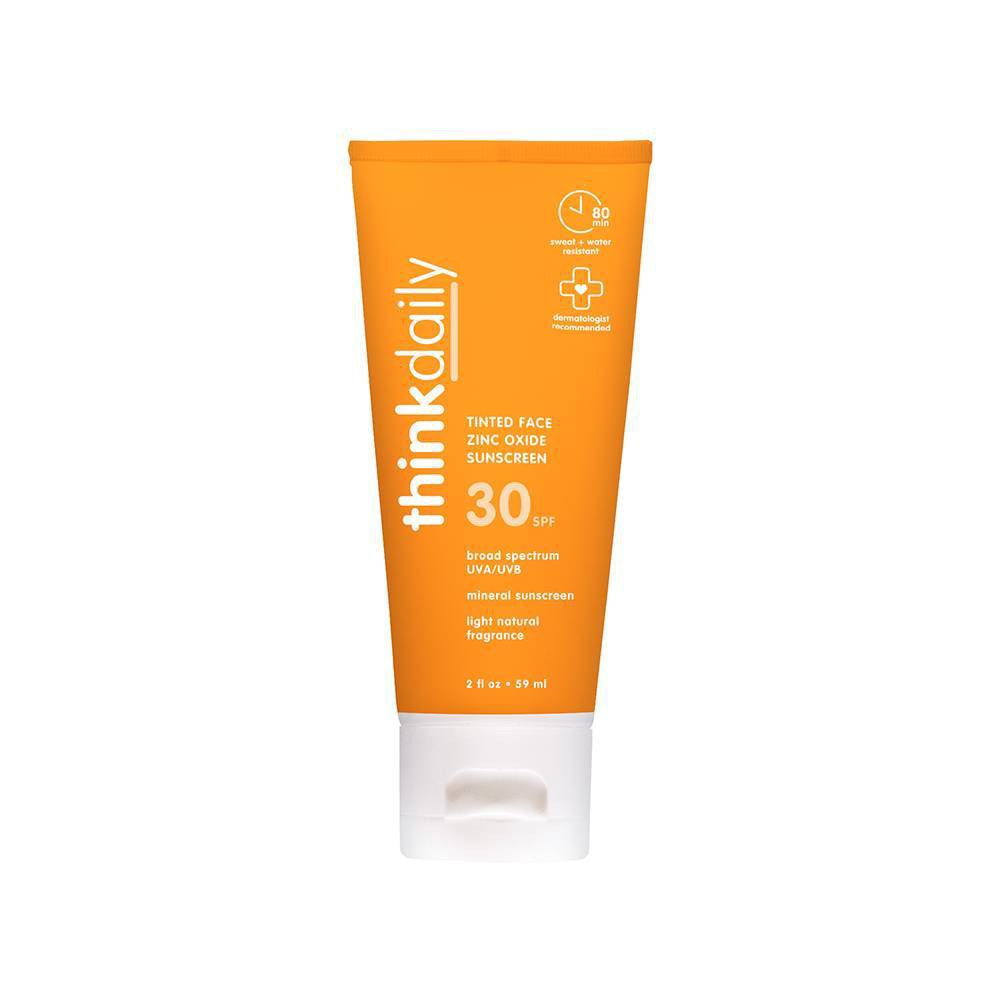

Thinksport Thinksun Sunscreen SPF 30 / LOTION
Summary
Thinksport Thinksun Sunscreen SPF 30 contains beneficial ingredients like non-nano zinc oxide, which is a safer alternative to chemical UV filters. However, it is a processed product with some synthetic components that slightly lower its overall safety profile. The absence of harmful substances like oxybenzone and parabens is positive, but the processing level and presence of synthetic ingredients prevent it from achieving a top-tier score.
At a glance
Key ingredients 8
Zinc Oxide
Zinc Oxide is a mineral sunscreen agent that provides broad-spectrum UV protection. It is considered safe and effective for sensitive skin. It is non-comedogenic and does not penetrate the skin, making it a preferred choice for physical sunblocks.
Risks
There are minimal risks associated with Zinc Oxide, primarily related to potential white cast on the skin.
Benefits
It offers excellent protection against both UVA and UVB rays without irritating the skin.
Aloe Barbadensis Leaf Juice
Aloe Vera is known for its soothing and moisturizing properties. It helps to calm irritated skin and provides hydration. It is rich in antioxidants and vitamins that support skin health.
Risks
Rarely, some individuals may experience allergic reactions.
Benefits
It enhances skin hydration and has anti-inflammatory effects, making it beneficial for sun-exposed skin.
Capric Caprylic Triglyceride
This ingredient is derived from coconut oil and glycerin, and is used as an emollient. It helps to smooth and soften the skin. It is lightweight and non-greasy, making it suitable for all skin types.
Risks
There are minimal risks, primarily related to potential allergic reactions in sensitive individuals.
Benefits
It provides a silky feel and helps to lock in moisture without clogging pores.
Helianthus Annuus Seed Oil
Sunflower seed oil is rich in vitamin E and fatty acids, which help to nourish and protect the skin. It acts as an emollient, trapping moisture and keeping the skin hydrated. It is non-comedogenic and suitable for sensitive skin.
Risks
There are minimal risks, though it may cause allergic reactions in rare cases.
Benefits
It supports skin barrier function and provides antioxidant protection.
Simmondsia Chinensis Seed Oil
Jojoba oil closely resembles the skin's natural sebum, making it an excellent moisturizer. It is rich in vitamins and minerals that nourish the skin. It is non-comedogenic and suitable for all skin types.
Risks
There are minimal risks, with rare cases of allergic reactions.
Benefits
It helps to balance oil production and provides long-lasting hydration.
Ascorbic Acid
Ascorbic Acid, or Vitamin C, is a powerful antioxidant that helps to protect the skin from free radical damage. It brightens the skin and promotes collagen production. It is beneficial for reducing signs of aging and improving skin texture.
Risks
High concentrations may cause irritation in sensitive skin.
Benefits
It enhances skin radiance and provides photoprotection.
Tocopherol
Tocopherol, or Vitamin E, is an antioxidant that helps to protect the skin from oxidative stress. It supports skin barrier function and enhances moisture retention. It is often used in skincare for its anti-aging benefits.
Risks
There are minimal risks, though it may cause irritation in very sensitive skin.
Benefits
It provides antioxidant protection and helps to maintain skin hydration.
Hyaluronic Acid
Hyaluronic Acid is a humectant that attracts and retains moisture in the skin. It can hold up to 1000 times its weight in water, making it highly effective for hydration. It is suitable for all skin types and helps to plump the skin.
Risks
There are minimal risks, with rare cases of irritation.
Benefits
It provides intense hydration and helps to reduce the appearance of fine lines.
Processing
Processed Foods
Get the full breakdown in the Scout app
Scan any product to see lab results, healthy alternatives, and your personalized analysis.
Download on theApp Store