



At a glance
Summary
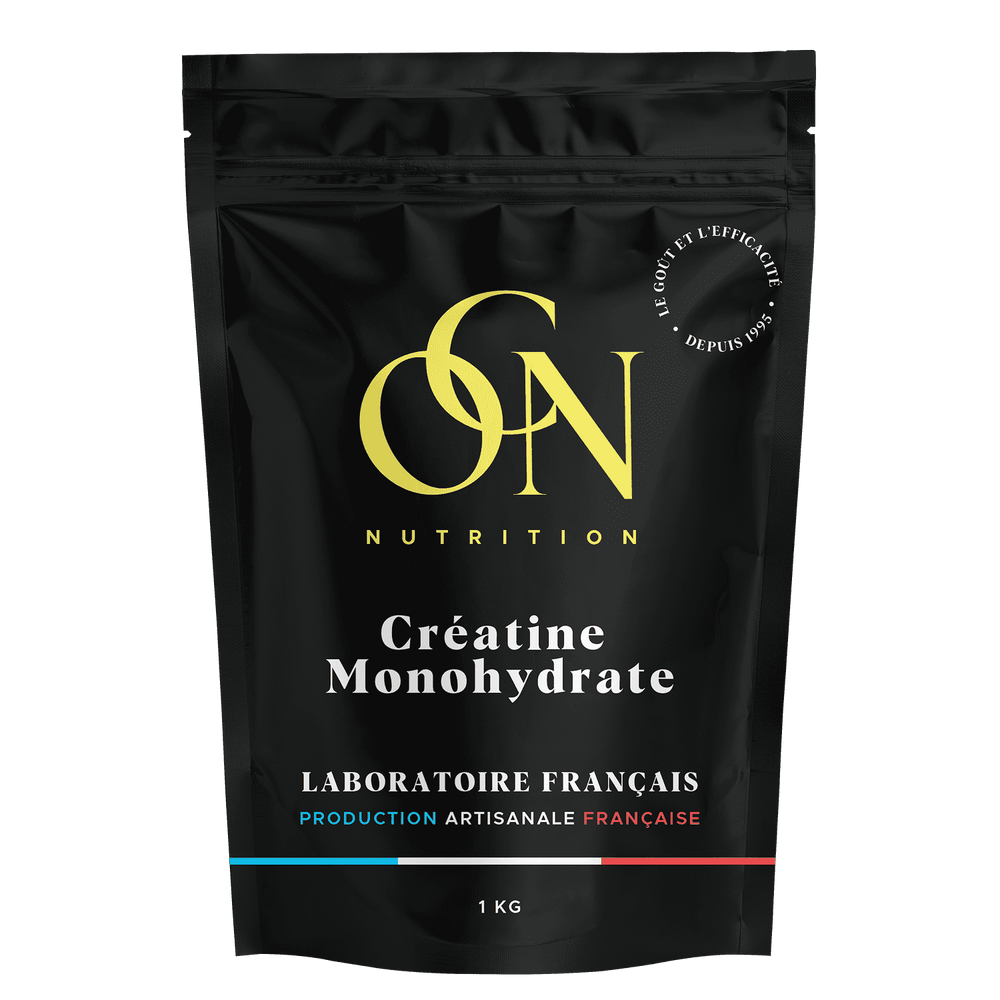
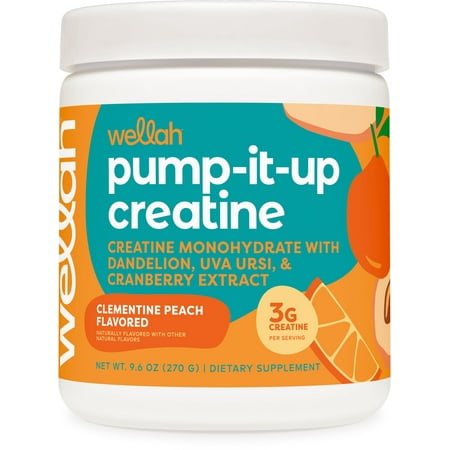
This creatine supplement contains high-quality Creatine Monohydrate, which is well-regarded for its effectiveness in enhancing athletic performance and supporting muscle growth. The formulation is simple and minimally processed, with no harmful additives or artificial ingredients, making it a safe and effective choice for those looking to improve their fitness regimen.
Key ingredients 8
Creatine MonohydrateVery Good
Creatine Monohydrate is well-known for supporting muscle energy and strength, making it a popular supplement among athletes and fitness enthusiasts.
See more about Creatine Monohydrate →CreatineVery Good
Creatine is a proven supplement that helps improve physical performance and muscle mass, contributing to overall fitness goals.
SarcosineNeutral
Sarcosine is a naturally occurring amino acid derivative with no significant impact on health, often used in research and supplement formulations.
DimethylglycineNeutral
Dimethylglycine is involved in metabolic processes but generally does not have a strong positive or negative effect in typical supplement doses.
GlycocyamineNeutral
Glycocyamine is a precursor to creatine and is considered safe, with no significant health concerns at standard levels.
N-Methyl-D-aspartic acidNeutral
N-Methyl-D-aspartic acid is a naturally occurring amino acid derivative with limited impact on health when used appropriately.
beta-Methylamino-L-alanineNeutral
Beta-Methylamino-L-alanine is a naturally occurring compound that does not pose significant health risks in typical supplement use.
Guanidinopropionic acidNeutral
Guanidinopropionic acid is a compound involved in metabolic pathways with no known harmful effects at standard doses.
Processing
Unprocessed or Minimally Processed Foods
Get the full breakdown in the Scout appTake Scout shopping
Scan any product to see lab results, healthy alternatives, and your personalized analysis.
Download on theApp Store GET IT ONGoogle Play