
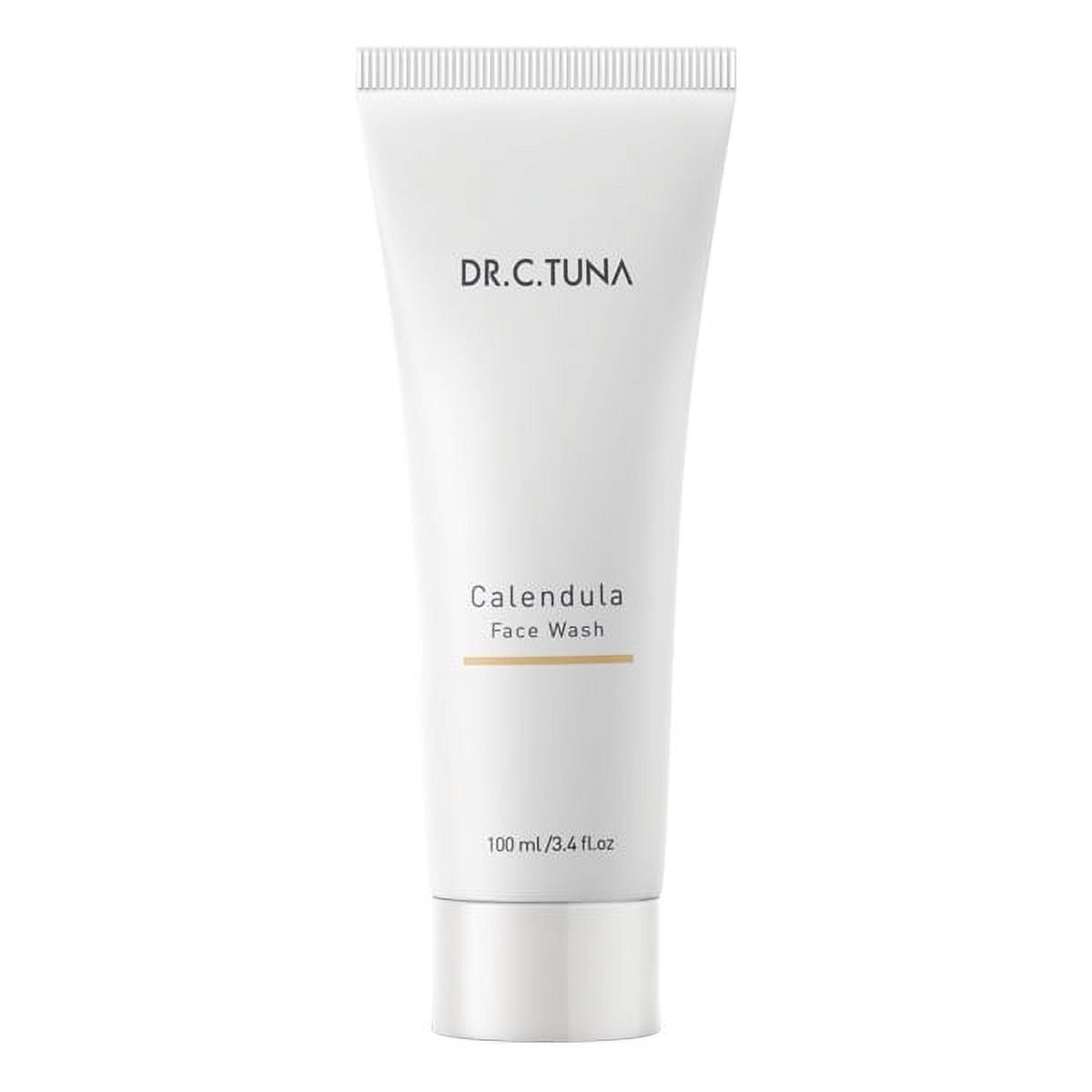

Farmasi Dr. C. Tuna Calendula Face Wash & Face Cream Deep Hydration SET
Summary
The product contains beneficial natural ingredients like calendula, which is known for its soothing properties. However, the presence of synthetic fragrance results in a penalty due to potential skin irritation and allergenic concerns. The overall formulation is moderately processed, which affects the score, but it still maintains some redeeming qualities due to the inclusion of natural botanicals.
At a glance
Key ingredients 15
Water
Water is a universal solvent used in cosmetics to dissolve other ingredients. It helps in forming emulsions and acts as a carrier for active ingredients. It is essential for hydration and product consistency.
Risks
There are no significant risks associated with water in cosmetics.
Benefits
Water provides hydration and helps in the application of the product.
Glycerin
Glycerin is a humectant that attracts moisture to the skin, helping to keep it hydrated. It is commonly used in skincare products for its moisturizing properties. It also helps to improve the texture of the product.
Risks
Glycerin is generally safe, but in very high concentrations, it may cause irritation.
Benefits
Glycerin helps to maintain skin hydration and improve skin barrier function.
Glyceryl Stearate
Glyceryl Stearate is an emulsifier that helps to blend water and oils in formulations. It provides a smooth texture and stabilizes the product. It is derived from glycerin and stearic acid, both of which are naturally occurring substances.
Risks
It is generally considered safe, but may cause mild irritation in sensitive individuals.
Benefits
Glyceryl Stearate helps to improve the texture and stability of the product.
Cetearyl Alcohol
Cetearyl Alcohol is a fatty alcohol used as an emollient and thickener in cosmetics. It helps to soften the skin and improve the texture of the product. It is derived from natural oils and is not drying like other alcohols.
Risks
It is generally safe, but may cause irritation in very sensitive skin.
Benefits
Cetearyl Alcohol provides moisturizing benefits and enhances product texture.
Ceteareth-20
Ceteareth-20 is an emulsifying agent that helps to mix oil and water components. It is used to stabilize formulations and improve texture. It is derived from cetearyl alcohol and ethylene oxide.
Risks
There is a potential risk of contamination with 1,4-dioxane, a byproduct of ethoxylation.
Benefits
Ceteareth-20 helps to stabilize emulsions and improve product consistency.
Ceteareth-12
Ceteareth-12 is used as an emulsifier and surfactant in cosmetic formulations. It helps to blend ingredients and improve the texture of the product. It is derived from cetearyl alcohol and ethylene oxide.
Risks
Similar to Ceteareth-20, there is a potential risk of 1,4-dioxane contamination.
Benefits
Ceteareth-12 aids in creating stable emulsions and enhances product feel.
Cetyl Palmitate
Cetyl Palmitate is an ester used as an emollient and thickening agent. It provides a smooth, velvety feel to the skin and helps to lock in moisture. It is derived from cetyl alcohol and palmitic acid.
Risks
It is generally safe, with minimal risk of irritation.
Benefits
Cetyl Palmitate enhances skin softness and product texture.
Ethylhexyl
Ethylhexyl is often used as a solvent or emollient in cosmetics. It helps to improve the spreadability and absorption of the product. It is a synthetic compound commonly used in personal care products.
Risks
There is limited information on specific risks, but it is generally considered safe.
Benefits
Ethylhexyl improves product application and skin feel.
Cocamidopropyl Betaine
Cocamidopropyl Betaine is a mild surfactant derived from coconut oil. It is used to create foam and cleanse the skin without stripping natural oils. It is often used in formulations for sensitive skin.
Risks
It may cause irritation or allergic reactions in some individuals.
Benefits
Cocamidopropyl Betaine provides gentle cleansing and foaming properties.
Coco-Glucoside
Coco-Glucoside is a mild, non-ionic surfactant derived from coconut oil and glucose. It is used to cleanse the skin and hair gently. It is biodegradable and considered environmentally friendly.
Risks
It is generally safe with a low risk of irritation.
Benefits
Coco-Glucoside provides gentle cleansing and is suitable for sensitive skin.
Glyceryl Oleate
Glyceryl Oleate is an emulsifier and emollient derived from glycerin and oleic acid. It helps to stabilize formulations and provides moisturizing benefits. It is often used in products for dry or sensitive skin.
Risks
It is generally safe, but may cause mild irritation in sensitive individuals.
Benefits
Glyceryl Oleate enhances skin hydration and product stability.
Laureth-2
Laureth-2 is an emulsifier and surfactant used to stabilize formulations and improve texture. It is derived from lauryl alcohol and ethylene oxide. It helps to blend oil and water components in cosmetics.
Risks
There is a potential risk of 1,4-dioxane contamination due to ethoxylation.
Benefits
Laureth-2 aids in creating stable emulsions and enhances product feel.
Lauryl Glucoside
Lauryl Glucoside is a mild surfactant derived from coconut oil and glucose. It is used for its gentle cleansing properties and is suitable for sensitive skin. It is biodegradable and considered environmentally friendly.
Risks
It is generally safe with a low risk of irritation.
Benefits
Lauryl Glucoside provides gentle cleansing and is suitable for sensitive skin.
Sodium Cocoamphoacetate
Sodium Cocoamphoacetate is a mild surfactant derived from coconut oil. It is used to cleanse the skin and hair gently without stripping natural oils. It is often used in formulations for sensitive skin.
Risks
It is generally safe with a low risk of irritation.
Benefits
Sodium Cocoamphoacetate provides gentle cleansing and is suitable for sensitive skin.
Sodium Lauryl Glucose Carboxylate
Sodium Lauryl Glucose Carboxylate is a mild surfactant derived from glucose and coconut oil. It is used for its gentle cleansing properties and is suitable for sensitive skin. It is biodegradable and considered environmentally friendly.
Risks
It is generally safe with a low risk of irritation.
Benefits
Sodium Lauryl Glucose Carboxylate provides gentle cleansing and is suitable for sensitive skin.
Processing
Processed Foods
Get the full breakdown in the Scout app
Scan any product to see lab results, healthy alternatives, and your personalized analysis.
Download on theApp Store