
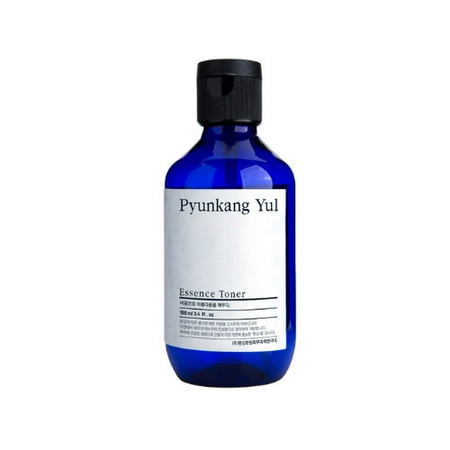

Pyunkang Yul Essence Toner 100ml
Analysis updated July 2026 · How Scout scores
At a glance
Summary
This toner features beneficial ingredients like Astragalus Membranaceus Root Extract, known for its antioxidant and soothing properties, and Arginine, which aids in skin hydration and repair. The formula is relatively clean with no harsh surfactants or synthetic fragrances, although it includes some synthetic compounds like Bis-PEG-18 Methyl Ether Dimethyl Silane, which slightly affects its overall safety profile.
Key ingredients 7
Astragalus Membranaceus Root ExtractVery Good
Astragalus Membranaceus Root Extract is a botanical ingredient known for its antioxidant properties. It helps to protect the skin from environmental stressors and supports skin health. It is often used in skincare for its soothing and anti-inflammatory effects.
Risks
There are minimal risks associated with this ingredient, though allergic reactions are possible in sensitive individuals.
Benefits
It provides antioxidant protection and has soothing properties that can help reduce skin irritation.
ArginineGood
Arginine is an amino acid that plays a role in skin hydration and repair. It is often used in skincare for its moisturizing and anti-aging properties. It is considered safe and beneficial for skin health.
Risks
There are minimal risks associated with arginine, though allergic reactions are possible in rare cases.
Benefits
It supports skin hydration and repair, contributing to a healthier skin barrier.
1, 2-HexanediolNeutral
1, 2-Hexanediol is a synthetic preservative and moisture-binding agent. It is commonly used in cosmetics to enhance the shelf life of products. It is generally considered safe for use in skincare formulations.
Risks
Potential risks include skin irritation in very sensitive individuals, though it is generally well-tolerated.
Benefits
It helps to preserve the product and can enhance skin hydration.
Butylene GlycolNeutral
Standard formulation ingredient — neither beneficial nor harmful at typical use.
Risks
In rare cases, it may cause mild irritation or allergic reactions in sensitive skin.
Benefits
It acts as a humectant, helping to retain moisture in the skin and improve product texture.
Bis-PEG-18 Methyl Ether Dimethyl SilaneNeutral
Bis-PEG-18 Methyl Ether Dimethyl Silane is a silicone-based compound used to improve the texture and spreadability of skincare products. It provides a smooth, silky feel on the skin. It is generally considered safe for use in cosmetics.
Risks
There is a low risk of skin irritation, particularly in individuals with silicone sensitivities.
Benefits
It enhances the texture and application of skincare products, providing a smooth finish.
HydroxyethylcelluloseNeutral
Hydroxyethylcellulose is a thickening agent derived from cellulose. It is used to improve the consistency and stability of cosmetic formulations. It is generally regarded as safe and non-irritating.
Risks
There are minimal risks associated with this ingredient, though it may cause irritation in very sensitive skin.
Benefits
It helps to stabilize and thicken formulations, improving product performance.
CarbomerNeutral
Carbomer is a synthetic polymer used as a thickening and stabilizing agent in cosmetics. It helps to create a smooth, gel-like texture in products. It is widely used and considered safe for topical application.
Risks
Potential risks include skin irritation if used in high concentrations, though it is generally well-tolerated.
Benefits
It provides a stable, gel-like consistency to products, enhancing their texture and application.
Get the full breakdown in the Scout appTake Scout shopping
Scan any product to see lab results, healthy alternatives, and your personalized analysis.
Download on theApp Store GET IT ONGoogle PlayAmazon pricing & content
Amazon price as of . Product prices and availability are accurate as of the date/time indicated and are subject to change. Any price and availability information displayed on Amazon.com at the time of purchase will apply to the purchase of this product.
CERTAIN CONTENT THAT APPEARS ON THIS SITE COMES FROM AMAZON. THIS CONTENT IS PROVIDED “AS IS” AND IS SUBJECT TO CHANGE OR REMOVAL AT ANY TIME.