

At a glance
Summary
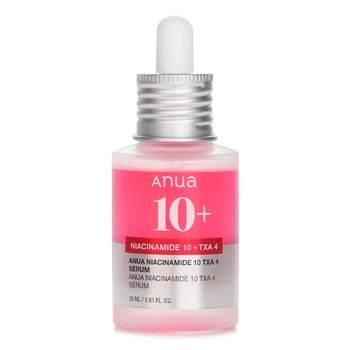
This serum contains a variety of beneficial ingredients such as niacinamide, tranexamic acid, and multiple forms of hyaluronic acid, which are known for their hydrating and skin-brightening properties. The inclusion of natural oils like macadamia, olive, and jojoba further enhances its skin-nourishing profile. However, the presence of some synthetic compounds and the overall processing level slightly limit its score, despite the absence of major harmful substances.
Key ingredients 51
Macadamia Integrifolia Seed OilVery Good
Macadamia Integrifolia Seed Oil is a natural oil rich in fatty acids. It helps nourish and moisturize the skin, improving its texture and barrier function. It is well-tolerated and beneficial for all skin types.
Risks
There are minimal risks associated with this natural oil.
Benefits
It nourishes and moisturizes the skin, improving its texture.
Olea Europaea (Olive) Fruit OilVery Good
Olive Fruit Oil is a natural oil with moisturizing and antioxidant properties. It helps nourish the skin and protect it from environmental damage. It is well-tolerated and beneficial for all skin types.
Risks
There are minimal risks associated with this natural oil.
Benefits
It moisturizes and protects the skin from environmental damage.
Simmondsia Chinensis (Jojoba) Seed OilVery Good
Jojoba Seed Oil is a natural oil that closely resembles the skin's natural sebum. It helps balance oil production and provides hydration without clogging pores. It is well-tolerated and beneficial for all skin types.
Risks
There are minimal risks associated with this natural oil.
Benefits
It balances oil production and provides hydration.
Vitis Vinifera (Grape) Seed OilVery Good
Grape Seed Oil is a lightweight oil with antioxidant and anti-inflammatory properties. It helps protect the skin from oxidative stress and soothes irritation. It is well-tolerated and beneficial for all skin types.
Risks
There are minimal risks associated with this natural oil.
Benefits
It provides antioxidant protection and soothes the skin.
Hydrolyzed Hyaluronic AcidVery Good
Hydrolyzed Hyaluronic Acid is a smaller molecule form of hyaluronic acid that penetrates deeper into the skin. It provides intense hydration and improves skin elasticity. It is well-tolerated and beneficial for all skin types.
Risks
There are minimal risks associated with Hydrolyzed Hyaluronic Acid.
Benefits
It provides deep hydration and improves skin elasticity.
Camellia Sinensis Seed OilVery Good
Camellia Sinensis Seed Oil is a natural oil with antioxidant and anti-inflammatory properties. It helps protect the skin from environmental damage and soothes irritation. It is well-tolerated and beneficial for all skin types.
Risks
There are minimal risks associated with this natural oil.
Benefits
It provides antioxidant protection and soothes the skin.
Centella Asiatica ExtractVery Good
Centella Asiatica Extract is a popular botanical known for its soothing and healing properties. It helps reduce inflammation and promotes skin repair. It is well-tolerated and beneficial for all skin types.
Risks
There are minimal risks associated with this botanical extract.
Benefits
It soothes the skin and promotes healing.
PanthenolVery Good
Panthenol, also known as provitamin B5, is a moisturizing and soothing agent. It helps improve skin hydration and reduce irritation. It is well-tolerated and beneficial for all skin types.
Risks
There are minimal risks associated with Panthenol.
Benefits
It improves skin hydration and reduces irritation.
Hydrolyzed Sodium HyaluronateVery Good
Hydrolyzed Sodium Hyaluronate is a smaller molecule form of hyaluronic acid that penetrates deeper into the skin. It provides intense hydration and improves skin elasticity. It is well-tolerated and beneficial for all skin types.
Risks
There are minimal risks associated with Hydrolyzed Sodium Hyaluronate.
Benefits
It provides deep hydration and improves skin elasticity.
Potassium HyaluronateVery Good
Potassium Hyaluronate is a form of hyaluronic acid that provides intense hydration. It helps retain moisture in the skin and improves skin elasticity. It is well-tolerated and beneficial for all skin types.
Risks
There are minimal risks associated with Potassium Hyaluronate.
Benefits
It provides intense hydration and improves skin elasticity.
Sodium Hyaluronate CrosspolymerVery Good
Sodium Hyaluronate Crosspolymer is a cross-linked form of hyaluronic acid that provides long-lasting hydration. It helps retain moisture in the skin and improves skin elasticity. It is well-tolerated and beneficial for all skin types.
Risks
There are minimal risks associated with Sodium Hyaluronate Crosspolymer.
Benefits
It provides long-lasting hydration and improves skin elasticity.
Sodium Acetylated HyaluronateVery Good
Sodium Acetylated Hyaluronate is a modified form of hyaluronic acid that provides enhanced hydration. It helps retain moisture in the skin and improves skin elasticity. It is well-tolerated and beneficial for all skin types.
Risks
There are minimal risks associated with Sodium Acetylated Hyaluronate.
Benefits
It provides enhanced hydration and improves skin elasticity.
GlycerinGood
Glycerin is a humectant that attracts moisture to the skin. It helps maintain skin hydration and improves skin barrier function. It is well-tolerated and beneficial for all skin types.
Risks
There are minimal risks associated with glycerin; it is generally safe for all skin types.
Benefits
Glycerin helps keep the skin hydrated and improves its barrier function.
NiacinamideGood
Niacinamide is a form of Vitamin B3 that offers multiple skin benefits. It helps improve skin texture, reduce inflammation, and brighten skin tone. It is well-tolerated and suitable for all skin types.
Risks
Niacinamide is generally safe, but in rare cases, it may cause mild irritation.
Benefits
Niacinamide improves skin texture, reduces inflammation, and brightens skin tone.
Tranexamic AcidGood
Tranexamic Acid is used to reduce skin discoloration and hyperpigmentation. It works by inhibiting melanin synthesis and is effective in treating melasma. It is generally well-tolerated in topical applications.
Risks
There is a low risk of irritation with topical use, but it is generally safe.
Benefits
Tranexamic Acid helps reduce hyperpigmentation and improves skin tone.
ArbutinGood
Arbutin is a skin-brightening agent that helps reduce hyperpigmentation. It works by inhibiting melanin production and is effective in treating dark spots. It is generally well-tolerated in topical applications.
Risks
There is a low risk of irritation, but it is generally safe.
Benefits
Arbutin helps reduce hyperpigmentation and brightens skin tone.
Sodium HyaluronateGood
Sodium Hyaluronate is a form of hyaluronic acid that provides intense hydration. It helps retain moisture in the skin and improves skin elasticity. It is well-tolerated and beneficial for all skin types.
Risks
There are minimal risks associated with Sodium Hyaluronate.
Benefits
It provides intense hydration and improves skin elasticity.
Alpha-ArbutinGood
Alpha-Arbutin is a more stable form of Arbutin that effectively reduces hyperpigmentation. It inhibits melanin production and is suitable for treating dark spots. It is generally well-tolerated in topical applications.
Risks
There is a low risk of irritation, but it is generally safe.
Benefits
Alpha-Arbutin reduces hyperpigmentation and brightens skin tone.
Coccinia Indica Fruit ExtractGood
Coccinia Indica Fruit Extract is a botanical ingredient with antioxidant properties. It helps protect the skin from oxidative stress and environmental damage. It is generally safe for use in skincare products.
Risks
There are minimal risks associated with this botanical extract.
Benefits
It provides antioxidant protection and helps maintain skin health.
Eclipta Prostrata ExtractGood
Eclipta Prostrata Extract is known for its anti-inflammatory and antioxidant properties. It helps soothe the skin and protect it from environmental damage. It is generally safe for use in skincare products.
Risks
There are minimal risks associated with this botanical extract.
Benefits
It soothes the skin and provides antioxidant protection.
Theobroma Cacao (Cocoa) ExtractGood
Cocoa Extract is rich in antioxidants and helps protect the skin from environmental damage. It also has moisturizing properties that improve skin texture. It is generally safe for use in skincare products.
Risks
There are minimal risks associated with this botanical extract.
Benefits
It provides antioxidant protection and moisturizes the skin.
Chamaecyparis Obtusa Leaf ExtractGood
Chamaecyparis Obtusa Leaf Extract has antibacterial and anti-inflammatory properties. It helps soothe the skin and reduce irritation. It is generally safe for use in skincare products.
Risks
There are minimal risks associated with this botanical extract.
Benefits
It soothes the skin and reduces irritation.
Prunus Persica (Peach) Flower ExtractGood
Peach Flower Extract is rich in antioxidants and helps protect the skin from oxidative stress. It also has soothing properties that improve skin comfort. It is generally safe for use in skincare products.
Risks
There are minimal risks associated with this botanical extract.
Benefits
It provides antioxidant protection and soothes the skin.
Yeast Ferment ExtractGood
Yeast Ferment Extract is known for its moisturizing and skin-conditioning properties. It helps improve skin texture and hydration. It is generally safe for use in skincare products.
Risks
There are minimal risks associated with this ingredient.
Benefits
It improves skin texture and hydration.
Artemisia Princeps Leaf ExtractGood
Artemisia Princeps Leaf Extract has anti-inflammatory and antioxidant properties. It helps soothe the skin and protect it from environmental damage. It is generally safe for use in skincare products.
Risks
There are minimal risks associated with this botanical extract.
Benefits
It soothes the skin and provides antioxidant protection.
Hyaluronic AcidGood
Hyaluronic Acid is a powerful humectant that provides intense hydration. It helps retain moisture in the skin and improves skin elasticity. It is well-tolerated and beneficial for all skin types.
Risks
There are minimal risks associated with Hyaluronic Acid.
Benefits
It provides intense hydration and improves skin elasticity.
Betaine SalicylateGood
Betaine Salicylate is a mild exfoliant that helps improve skin texture. It combines the moisturizing properties of betaine with the exfoliating effects of salicylate. It is generally well-tolerated in topical applications.
Risks
There is a low risk of irritation, but it is generally safe.
Benefits
It gently exfoliates and improves skin texture.
Caprylic/Capric TriglycerideGood
Caprylic/Capric Triglyceride is an emollient that helps moisturize and soften the skin. It is derived from coconut oil and glycerin and is well-tolerated by all skin types. It is generally safe for use in skincare products.
Risks
There are minimal risks associated with this ingredient.
Benefits
It moisturizes and softens the skin.
Polyglutamic AcidGood
Polyglutamic Acid is a powerful humectant that provides intense hydration. It helps retain moisture in the skin and improves skin elasticity. It is generally well-tolerated in topical applications.
Risks
There are minimal risks associated with this ingredient.
Benefits
It provides intense hydration and improves skin elasticity.
3-0-Ethyl Ascorbic AcidGood
3-0-Ethyl Ascorbic Acid is a stable form of Vitamin C that provides antioxidant protection. It helps brighten the skin and reduce signs of aging. It is generally well-tolerated in topical applications.
Risks
There is a low risk of irritation, but it is generally safe.
Benefits
It brightens the skin and provides antioxidant protection.
Ceramide NPGood
Ceramide NP is a lipid that helps restore the skin barrier and retain moisture. It improves skin hydration and protects against environmental damage. It is well-tolerated and beneficial for all skin types.
Risks
There are minimal risks associated with Ceramide NP.
Benefits
It restores the skin barrier and retains moisture.
AsiaticosideGood
Asiaticoside is a compound derived from Centella Asiatica with soothing and healing properties. It helps reduce inflammation and promote skin repair. It is generally safe for use in skincare products.
Risks
There are minimal risks associated with this compound.
Benefits
It soothes the skin and promotes healing.
Madecassic AcidGood
Madecassic Acid is a compound derived from Centella Asiatica with anti-inflammatory properties. It helps soothe the skin and reduce irritation. It is generally safe for use in skincare products.
Risks
There are minimal risks associated with this compound.
Benefits
It soothes the skin and reduces irritation.
Asiatic AcidGood
Asiatic Acid is a compound derived from Centella Asiatica with soothing and healing properties. It helps reduce inflammation and promote skin repair. It is generally safe for use in skincare products.
Risks
There are minimal risks associated with this compound.
Benefits
It soothes the skin and promotes healing.
Dimethylsilanol HyaluronateGood
Dimethylsilanol Hyaluronate is a modified form of hyaluronic acid that provides hydration and improves skin texture. It helps retain moisture in the skin and enhances skin feel. It is generally well-tolerated in topical applications.
Risks
There are minimal risks associated with this ingredient.
Benefits
It provides hydration and improves skin texture.
Hydroxypropyltrimonium HyaluronateGood
Hydroxypropyltrimonium Hyaluronate is a modified form of hyaluronic acid that provides hydration and improves skin texture. It helps retain moisture in the skin and enhances skin feel. It is generally well-tolerated in topical applications.
Risks
There are minimal risks associated with this ingredient.
Benefits
It provides hydration and improves skin texture.
Sodium Hyaluronate DimethylsilanolGood
Sodium Hyaluronate Dimethylsilanol is a modified form of hyaluronic acid that provides hydration and improves skin texture. It helps retain moisture in the skin and enhances skin feel. It is generally well-tolerated in topical applications.
Risks
There are minimal risks associated with this ingredient.
Benefits
It provides hydration and improves skin texture.
WaterNeutral
Water is a common solvent used in cosmetic formulations. It helps dissolve other ingredients and provides a base for the serum. It does not have any direct benefits or risks.
Risks
There are no significant risks associated with water in cosmetic products.
Benefits
Water acts as a solvent and helps in the application of the product.
Butylene GlycolNeutral
Butylene Glycol is a solvent and conditioning agent used in cosmetics. It helps improve the texture and spreadability of products. It is generally considered safe for use in skincare.
Risks
Butylene Glycol may cause mild irritation in sensitive individuals.
Benefits
It improves product texture and enhances skin feel.
Diethoxyethyl SuccinateNeutral
Diethoxyethyl Succinate is used as a skin conditioning agent. It helps improve the texture and feel of the skin. It is generally considered safe for use in cosmetics.
Risks
There are no significant risks associated with this ingredient.
Benefits
It enhances skin texture and feel.
1,2-HexanediolNeutral
1,2-Hexanediol is a solvent and preservative booster. It helps stabilize formulations and enhance the efficacy of preservatives. It is generally safe for use in cosmetics.
Risks
There are minimal risks associated with this ingredient.
Benefits
It stabilizes formulations and enhances preservative efficacy.
Pentylene GlycolNeutral
Pentylene Glycol is a solvent and humectant used in cosmetics. It helps improve the texture and spreadability of products. It is generally considered safe for use in skincare.
Risks
There are minimal risks associated with this ingredient.
Benefits
It improves product texture and enhances skin feel.
Sucrose PalmitateNeutral
Sucrose Palmitate is an emulsifier used in cosmetic formulations. It helps stabilize products and improve their texture. It is generally considered safe for use in skincare.
Risks
There are no significant risks associated with this ingredient.
Benefits
It stabilizes formulations and improves product texture.
Hydrogenated LecithinNeutral
Hydrogenated Lecithin is used as an emulsifier and skin-conditioning agent. It helps improve the texture and feel of the skin. It is generally considered safe for use in cosmetics.
Risks
There are no significant risks associated with this ingredient.
Benefits
It enhances skin texture and feel.
Gellan GumNeutral
Gellan Gum is used as a thickening agent in cosmetic formulations. It helps improve the texture and stability of products. It is generally considered safe for use in skincare.
Risks
There are no significant risks associated with this ingredient.
Benefits
It stabilizes formulations and improves product texture.
Sodium PhytateNeutral
Sodium Phytate is used as a chelating agent in cosmetics. It helps stabilize formulations by binding metal ions. It is generally considered safe for use in skincare.
Risks
There are no significant risks associated with this ingredient.
Benefits
It stabilizes formulations by binding metal ions.
CelluloseNeutral
Cellulose is used as a thickening and stabilizing agent in cosmetics. It helps improve the texture and stability of products. It is generally considered safe for use in skincare.
Risks
There are no significant risks associated with this ingredient.
Benefits
It stabilizes formulations and improves product texture.
CyanocobalaminNeutral
Cyanocobalamin is a form of Vitamin B12 used in cosmetics. It helps improve skin health and appearance. It is generally considered safe for use in skincare.
Risks
There are no significant risks associated with this ingredient.
Benefits
It improves skin health and appearance.
DextrinNeutral
Dextrin is used as a binding and stabilizing agent in cosmetics. It helps improve the texture and stability of products. It is generally considered safe for use in skincare.
Risks
There are no significant risks associated with this ingredient.
Benefits
It stabilizes formulations and improves product texture.
Xanthan GumNeutral
Xanthan Gum is used as a thickening and stabilizing agent in cosmetics. It helps improve the texture and stability of products. It is generally considered safe for use in skincare.
Risks
There are no significant risks associated with this ingredient.
Benefits
It stabilizes formulations and improves product texture.
Candida Bombicola/Glucose/Methyl Rapeseedate FermentBad
Processed additive flagged under Scout's ingredient doctrine.
Risks
There are no significant risks associated with this ingredient.
Benefits
It enhances skin texture and feel.
Processing
Processed Foods
Get the full breakdown in the Scout appTake Scout shopping
Scan any product to see lab results, healthy alternatives, and your personalized analysis.
Download on theApp Store GET IT ONGoogle Play