


At a glance
Summary
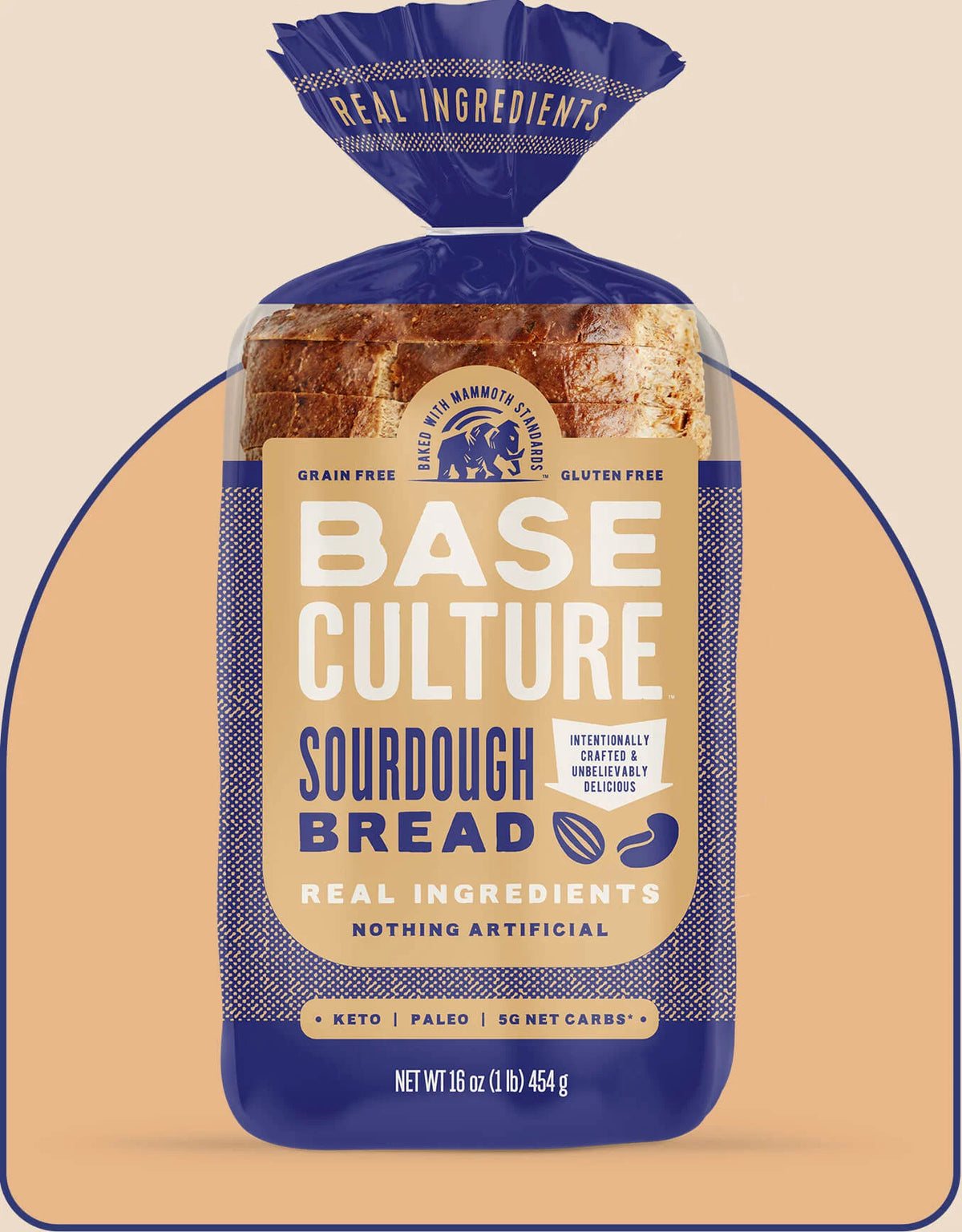
This sourdough bread is made with a simple and clean ingredient list, featuring beneficial components like an active sourdough starter and olive oil. The starter provides natural fermentation benefits, enhancing nutrient bioavailability and gut health, while olive oil contributes healthy fats. Despite its processed nature, the absence of harmful additives and the use of quality ingredients support a higher score within its category.
Key ingredients 5
Active sourdough starterGood
Active sourdough starter is a natural leavening agent that enhances the flavor and texture of bread. It contains beneficial bacteria and yeast that can improve gut health. The fermentation process can increase the bioavailability of nutrients.
Benefits
Promotes gut health through the presence of probiotics. Fermentation can reduce phytic acid, improving mineral absorption.
Olive oilGood
Olive oil is a healthy fat known for its monounsaturated fatty acids and antioxidant properties. It supports heart health and has anti-inflammatory effects. Cold-pressed extraction preserves its beneficial compounds.
Benefits
Rich in monounsaturated fats that support heart health and provide anti-inflammatory properties. Contains antioxidants like vitamin E and polyphenols that may reduce oxidative stress.
Bread flourNeutral
Bread flour is a refined flour that provides structure and texture to baked goods. It is typically enriched with vitamins and minerals but lacks the fiber found in whole grain flours. The refining process removes the bran and germ, reducing its nutritional profile.
Risks
May contribute to blood sugar spikes due to its high glycemic index. Contains gluten, which can be problematic for individuals with celiac disease or gluten sensitivity.
Benefits
Provides essential nutrients like iron and B vitamins when enriched. Offers a high protein content that contributes to the elasticity and strength of dough.
WaterNeutral
Water is a fundamental ingredient in bread making, hydrating the flour and activating the yeast. It plays a crucial role in the dough's consistency and texture. Water quality can affect the final product, but it generally has no direct nutritional impact.
Benefits
Essential for hydration and activating yeast in the dough. Contributes to the overall texture and structure of the bread.
SaltNeutral
Salt is used to enhance flavor and control yeast activity in bread. It is a refined ingredient that provides sodium, an essential mineral. Excessive consumption can lead to health issues such as hypertension.
Risks
High sodium intake can contribute to hypertension and cardiovascular disease. Individuals with salt-sensitive conditions should monitor their intake.
Benefits
Enhances flavor and strengthens gluten structure in bread. Provides essential sodium for bodily functions.
Processing
Processed Foods
Get the full breakdown in the Scout appTake Scout shopping
Scan any product to see lab results, healthy alternatives, and your personalized analysis.
Download on theApp Store GET IT ONGoogle PlayAmazon pricing & content
Amazon price as of . Product prices and availability are accurate as of the date/time indicated and are subject to change. Any price and availability information displayed on Amazon.com at the time of purchase will apply to the purchase of this product.
CERTAIN CONTENT THAT APPEARS ON THIS SITE COMES FROM AMAZON. THIS CONTENT IS PROVIDED “AS IS” AND IS SUBJECT TO CHANGE OR REMOVAL AT ANY TIME.