
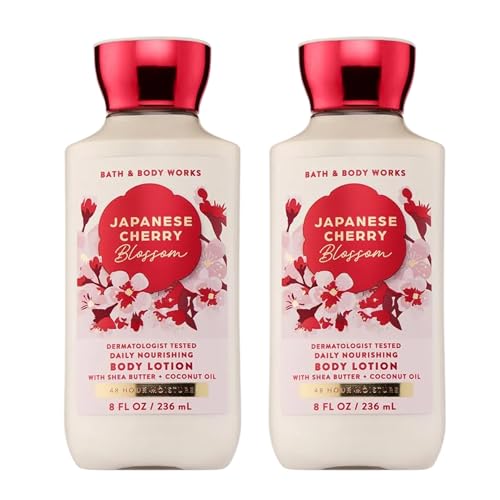


Bath & Body Works Japanese Cherry Blossom Body Lotion
At a glance
Summary
Bath & Body Works Japanese Cherry Blossom Lotion scores 10/100 -- one of the lowest-scoring lotions on the platform. The defining feature is the fragrance load: seven separate EU-26 allergens are individually disclosed on the INCI (linalool, limonene, coumarin, hexyl cinnamal, citronellol, geraniol, hydroxycitronellal) on top of the 'fragrance' itself, meaning the lotion is essentially a perfume in a lotion base. Hexyl cinnamal alone is a top-10 contact-dermatitis trigger in dermatology databases. The base also contains cyclopentasiloxane (D5, EU vPvB-restricted), petrolatum, BHT, and the acrylates/C10-30 microplastic thickener. The 'Japanese Cherry Blossom' scent has become an indicator scent in body-care -- recognized by smell from across a mall -- but reflects an aggressive synthetic fragrance approach.
Key ingredients 10
Fragrance (Parfum)Very Bad
Undisclosed proprietary blend that can legally contain 1000+ chemicals including phthalate carriers and EU-26 allergens. Top trigger for cosmetic contact dermatitis.
See more about Fragrance (Parfum) →Linalool, Limonene, Coumarin, Hexyl Cinnamal, Citronellol, Geraniol, HydroxycitronellalVery Bad
Seven separately-disclosed EU-26 fragrance allergens. EU regulation requires disclosure above 0.001% in leave-ons because each is a documented top contact allergen. Hexyl cinnamal and coumarin are restricted for kids' products.
See more about Linalool, Limonene, Coumarin, Hexyl Cinnamal, Citronellol, Geraniol, Hydroxycitronellal →Cyclopentasiloxane (D5)Very Bad
Cyclic silicone classified by the EU's ECHA as vPvB (very persistent, very bioaccumulative). REACH-restricted in wash-off cosmetics since 2020 and listed under Canada's CEPA toxic substances. Aquatic-toxic.
See more about Cyclopentasiloxane (D5) →PetrolatumBad
Petroleum jelly occlusive. Cosmetic-grade is purified but lower grades can contain polycyclic aromatic hydrocarbons (PAHs). Non-renewable petrochemical source.
See more about Petrolatum →BHTBad
Butylated hydroxytoluene -- synthetic antioxidant. NTP lists as 'reasonably anticipated to be a human carcinogen' at high doses; flagged as endocrine disruptor by EWG.
See more about BHT →Acrylates/C10-30 Alkyl Acrylate CrosspolymerBad
Acrylate microplastic thickener. Persistent in waterways.
See more about Acrylates/C10-30 Alkyl Acrylate Crosspolymer →PhenoxyethanolBad
Synthetic preservative — a common irritation flag in leave-on products.
See more about Phenoxyethanol →Caprylyl MethiconeBad
Volatile silicone. Same environmental persistence concerns as the broader silicone family.
See more about Caprylyl Methicone →GlycerinGood
Humectant that pulls water into the skin. Safe, well-tolerated, and effective at very low cost.
See more about Glycerin →Aloe Barbadensis Leaf JuiceGood
Plant-derived soothing agent. Considered safe and beneficial topically.
See more about Aloe Barbadensis Leaf Juice →Get the full breakdown in the Scout appTake Scout shopping
Scan any product to see lab results, healthy alternatives, and your personalized analysis.
Download on theApp Store GET IT ONGoogle PlayAmazon pricing & content
Amazon price as of . Product prices and availability are accurate as of the date/time indicated and are subject to change. Any price and availability information displayed on Amazon.com at the time of purchase will apply to the purchase of this product.
CERTAIN CONTENT THAT APPEARS ON THIS SITE COMES FROM AMAZON. THIS CONTENT IS PROVIDED “AS IS” AND IS SUBJECT TO CHANGE OR REMOVAL AT ANY TIME.