
Ingredient
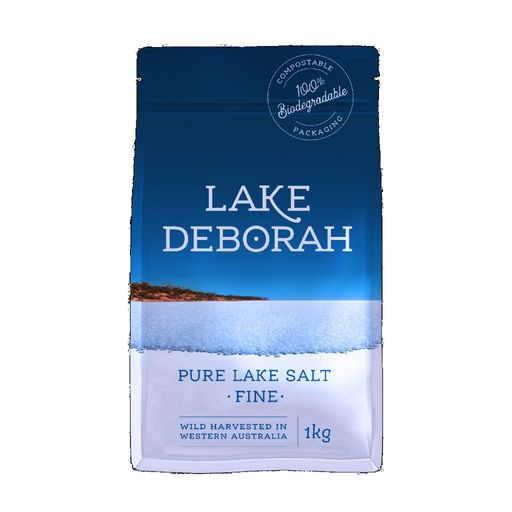
100% Biodegradable / Compostable Packaging
What is 100% Biodegradable / Compostable Packaging?
Biodegradable or compostable packaging is made from materials that can be broken down by microorganisms into natural substances like water, carbon dioxide, and biomass. Common materials used include paper, cardboard, and bioplastics derived from renewable resources like corn starch.
This type of packaging is used to reduce environmental impact by minimizing landfill waste and promoting sustainable disposal. Health-wise, there is little direct impact on consumers, as the packaging itself is not consumed and primarily benefits the environment.
When you see biodegradable or compostable packaging on a label, it often indicates that the product is aiming for sustainability. However, composting facilities may vary in their ability to properly break down materials, so local composting capabilities can affect actual results.
Commonly found in: Spice containers, Food packaging, Disposable cutlery, Coffee cups, Takeout boxes, Tray liners
Benefits
- Helps reduce landfill waste by breaking down naturally.
- Supports sustainable waste management practices.
The FDA does not specifically regulate biodegradable packaging but sets guidelines for materials that might contact food.
Research supports the environmental benefits of using biodegradable and compostable materials to reduce waste.
Typically considered vegan as it is derived from plant-based materials and not animal-derived.
Sources: Evaluating the Environmental Impact of Biodegradable Packaging
Scout's take
Packaging is explicitly marketed as 100% biodegradable and compostable — eliminating petroleum-plastic contact and packaging-derived microplastic migration.
Found in 1 product
Scan any product to see every ingredient explained — and healthier swaps.
Download on theApp Store GET IT ONGoogle Play