
Ingredient
Acrylic Polymer
What is Acrylic Polymer?
Acrylic polymers are a group of synthetic materials made from acrylic acid or acrylate compounds. These polymers are created through a chemical reaction known as polymerization, which links repeating units to form larger molecules.
Acrylic polymers are used in various products for their adhesive properties and film-forming capability. In feminine care products, they help maintain the integrity and performance of the product. Health effects are not well-documented specifically for casual exposure via such products, but concerns generally relate to occupational settings with high exposure.
When you see acrylic polymer on a label, it's typically employed for its structural or adhesive properties, rather than direct skin contact or absorption.
Commonly found in: feminine care products, adhesives, paints, coatings, sealants
What to watch
- Some forms of acrylic polymers can release residual monomers that may cause allergies or skin irritation.
Benefits
- Provides strong adhesive and film-forming properties necessary for product functionality.
Acrylic polymers are generally recognized as safe for use in consumer products when used according to guidelines.
Research on low-level exposure in consumer goods is limited; most concerns arise from occupational exposure scenarios.
Acrylic polymers are synthetic and not derived from animal sources, making them suitable for vegans.
Sources: GRAS Notices
Scout's take
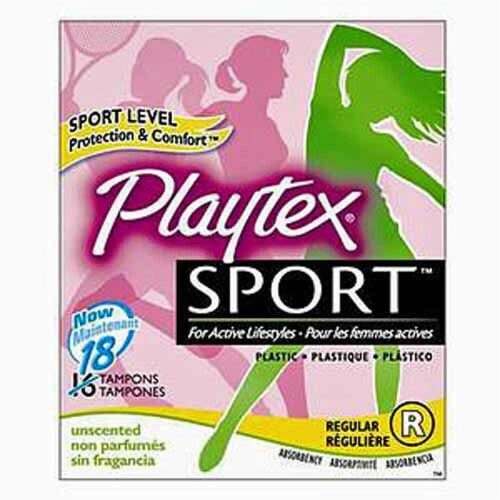
Synthetic plastic polymer used within the tampon body. A non-natural material in prolonged contact with vaginal mucosa. Organic cotton tampons achieve the same function without synthetic polymers.
Found in 1 product
Scan any product to see every ingredient explained — and healthier swaps.
Download on theApp Store GET IT ONGoogle Play