
Ingredient
Asparagus
What is Asparagus?
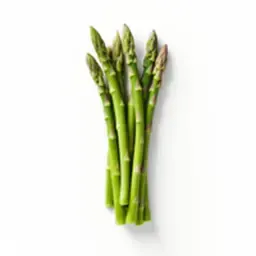
Asparagus is a green vegetable known for its tender, speared stalks and distinctive flavor. It is typically harvested in the spring and can be consumed raw or cooked in various dishes, such as soups, salads, and as a side dish.
Asparagus is used in food primarily for its flavor and nutritional benefits. It is high in vitamins A, C, E, and K, as well as fiber and folate. There is strong evidence suggesting that asparagus consumption is associated with improved digestion due to its fiber content and potential antioxidant effects, which may support overall health.
When you see asparagus on a label, it is usually included as a whole food ingredient, contributing to both the taste and nutritional value of the product.
Commonly found in: soups, salads, side dishes, stir-fries, casseroles
Benefits
- Rich in fiber, which supports healthy digestion.
- Contains antioxidants that may help protect cells from damage.
- Good source of vitamins and minerals.
Asparagus is recognized as safe and wholesome for consumption with no specific restrictions.
Studies support asparagus's nutritional benefits, especially in terms of fiber content and antioxidants.
Asparagus is a plant-based food, making it suitable for vegan diets.
Sources: Nutritional Benefits of Asparagus
Scout's take
Rich in fiber, high in folate and vitamins A, C, and E. Supports liver detoxification, anti-inflammatory, high in antioxidants.
Found in 1 product
Scan any product to see every ingredient explained — and healthier swaps.
Download on theApp Store GET IT ONGoogle Play