
Ingredient
BHA & BHT
What is BHA & BHT?
BHA (Butylated Hydroxyanisole) and BHT (Butylated Hydroxytoluene) are synthetic antioxidants used as preservatives to prevent oils and fats in foods from oxidizing and becoming rancid. They are produced by a chemical process that combines various compounds to create these stable preservatives.
These additives are used to extend shelf life in foods like cereals, snack foods, and pizza. Despite their effectiveness, BHA and BHT are controversial due to research suggesting potential carcinogenic effects on laboratory animals. However, the evidence is mixed, and regulatory agencies have deemed them safe at low concentrations.
When you see BHA or BHT on a label, it's usually to maintain product quality and prevent spoilage. Their inclusion often reflects a product's processing level rather than inherent safety issues.
Commonly found in: Cereals, Snack Foods, Pizza, Cosmetics, Chewing Gum
What to watch
- Animal studies have shown that high doses can lead to cancer in rats.
- May cause allergic reactions or hypersensitivity in certain individuals.
Benefits
- Effectively prevents oils and fats from becoming rancid, extending shelf life.
BHA and BHT are recognized as Generally Recognized as Safe (GRAS) when used at approved levels.
Research shows mixed results, with some studies indicating potential carcinogenicity in high doses.
BHA and BHT are synthetic and typically considered vegan.
Scout's take
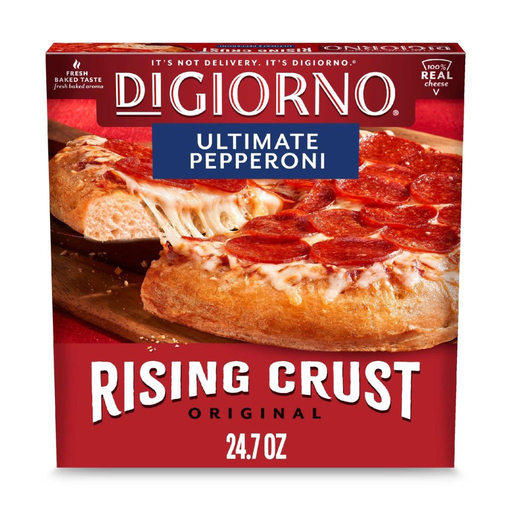
Synthetic preservatives in the pepperoni. BHA is listed on California Proposition 65 as a known carcinogen; both are restricted or banned in the European Union, Japan, and several other jurisdictions. Suspected endocrine disruptors.
Found in 1 product
Scan any product to see every ingredient explained — and healthier swaps.
Download on theApp Store GET IT ONGoogle Play