
Ingredient
Biconstituent Fiber
What is Biconstituent Fiber?
Biconstituent fiber is a type of synthetic fiber that combines two different polymers or materials to enhance specific physical properties. It is typically manufactured through techniques like co-extrusion or bicomponent spinning, where the two polymers remain distinct but are processed together to create a single fiber.
This type of fiber is used in various textile applications to provide benefits such as increased durability, strength, or improved feel. In the context of clothing, particularly athletic wear, it can help in moisture management or offer a combination of flexibility and support. There is no evidence that directly assesses health risks associated with wearing biconstituent fiber clothing, as it is primarily evaluated for performance and comfort purposes.
When you see biconstituent fiber on a label, it's usually in the context of apparel, not consumable products. Therefore, any health implications would be minimal and more related to allergies or skin sensitivities specific to individuals.
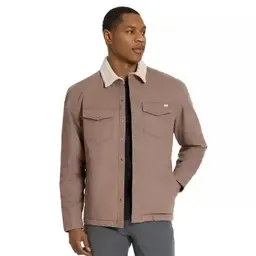
Commonly found in: Athletic jackets, Activewear, Outdoor gear, Performance textiles
Benefits
- Enhances textile durability and strength.
- Improves moisture management in athletic wear.
The FDA does not regulate clothing fibers like biconstituent fiber, focusing on materials intended for food or medical use.
Research primarily focuses on the performance characteristics of biconstituent fibers for textile applications rather than health impacts.
Biconstituent fibers are typically synthetic and not derived from animals, making them suitable for vegan use.
Sources: Fiber Types and Definitions
Scout's take
Engineered synthetic fiber combining two polymers (typically polyester and nylon) at the molecular level — sheds complex microplastics during washing.
Found in 1 product
Scan any product to see every ingredient explained — and healthier swaps.
Download on theApp Store GET IT ONGoogle Play