
Ingredient
Caprylhydroxamic Acid
What is Caprylhydroxamic Acid?
Caprylhydroxamic Acid is a synthetic compound derived from coconut oil and hydroxylamine. It's known for its role in personal care products as a chelating agent and preservative, preventing microbial growth by disrupting the cell walls of microorganisms.
Its primary use is in cosmetics and skincare products, where it helps maintain product integrity and extends shelf life. Current research shows that it is effective at low concentrations, and it is generally considered safe for use. However, as with many synthetic compounds, some consumers prefer natural alternatives.
Seeing Caprylhydroxamic Acid on a label indicates that the product may have a longer shelf life and reduced microbial contamination. It is important for consumers with sensitive skin to patch test products containing this ingredient.
Commonly found in: Sunscreen, Makeup, Moisturizers, Serums, Hair Care
What to watch
- May cause irritation for individuals with very sensitive skin.
Benefits
- Effective preservative that extends the shelf life of cosmetics and skincare products.
The FDA allows its use in cosmetics and personal care products without any specific restrictions.
Research supports its efficacy as a preservative, but some studies note potential sensitivities at higher concentrations.
Caprylhydroxamic Acid is synthetic and not derived from animals, making it suitable for vegan products.
Sources: Final Report of the Safety Assessment of Caprylhydroxamic Acid
Scout's take
Caprylhydroxamic Acid is a preservative used to prevent microbial growth in cosmetics. It is effective in low concentrations and considered safe for use. It helps to extend the shelf life of products.
The case against
There are minimal risks associated with Caprylhydroxamic Acid, primarily related to potential sensitivity in rare cases.
from the analysis of Cocokind Daily Sunscreen - SPF 32There are minimal risks, though it may cause mild irritation in very sensitive individuals.
from the analysis of Thinkbaby Mineral Sunscreen Lotion SPF 50 - : Zinc Oxide, Whole Body CoverageThere are minimal risks associated with Caprylhydroxamic Acid.
from the analysis of hello bello Mineral SPF55+ Sunscreen Lotion with Prebiotics for Babies and KidsThere are minimal risks associated with its use in cosmetics.
from the analysis of Babo Botanicals Sheer Mineral Sunscreen Lotion SPF 50 SunscreenGenerally considered safe with minimal risk of irritation.
from the analysis of babo BOTANICALS Baby Skin Mineral Sunscreen SPF 50 SunscreenThe case for
It ensures product safety and longevity by preventing contamination.
from the analysis of Thinkbaby Mineral Sunscreen Lotion SPF 50 - : Zinc Oxide, Whole Body CoverageIt prevents microbial growth, ensuring product safety and longevity.
from the analysis of hello bello Mineral SPF55+ Sunscreen Lotion with Prebiotics for Babies and KidsIt helps in maintaining the safety and efficacy of the product.
from the analysis of Babo Botanicals Sheer Mineral Sunscreen Lotion SPF 50 SunscreenIt helps to preserve the product and ensure its safety for use.
from the analysis of Cocokind Daily Sunscreen - SPF 32Extends product shelf life by preventing microbial growth.
from the analysis of The Honest Company Face+Body Lotion-Lavender DreaMore from Scout's analyses
Mild plant-sourced preservative-booster.
from the analysis of ThinkSport SPF 50+ Mineral SunscreenCaprylhydroxamic Acid is a preservative used in cosmetic formulations. It helps to prevent microbial growth and extend the shelf life of the product. It is considered safe and suitable for all skin types.
from the analysis of Cocokind Daily Sunscreen - SPF 32Standard formulation ingredient — neither beneficial nor harmful at typical use.
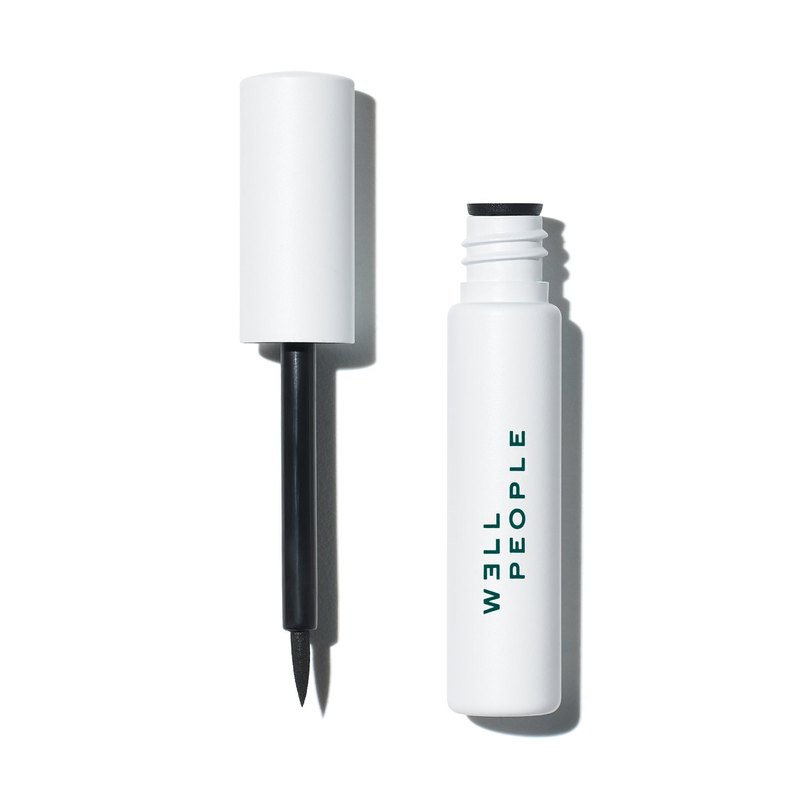
from the analysis of W3LL People Fresh Lines Liquid EyelinerFound in 10 products



Scan any product to see every ingredient explained — and healthier swaps.
Download on theApp Store GET IT ONGoogle Play