
Ingredient
Cellulose Coating
What is Cellulose Coating?
Cellulose coating is a type of edible coating derived from cellulose, a natural polymer found in plant cell walls. It is produced through the breakdown of plant materials, such as wood pulp or cotton, into fine cellulose particles which can then be applied as a thin film over food products.
This coating is primarily used to maintain moisture, enhance the appearance, and extend the shelf life of food products. Health evidence suggests that cellulose coating is generally safe for consumption as it is not digestible by humans and is excreted from the body unchanged.
When you see cellulose coating on a label, it usually indicates an effort to preserve product quality and freshness without introducing digestible substances or significant calories.
Commonly found in: confectionery, bakery products, fruits and vegetables, supplements, pharmaceuticals
What to watch
- May cause digestive discomfort if consumed in large quantities.
Benefits
- Helps retain moisture and prolong shelf life of food products.
Cellulose coating is considered safe by the FDA and is commonly used in food products.
Research supports the safety of cellulose as an indigestible fiber with minimal health effects in moderate quantities.
Cellulose coating is of plant origin and is generally acceptable for vegan diets.
Sources: Food Additive Status List
Scout's take
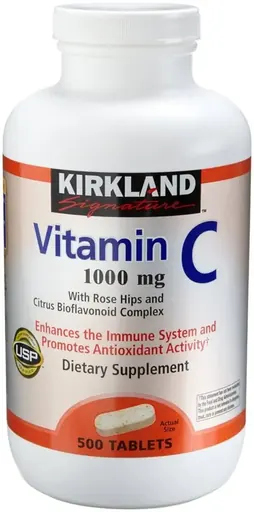
Cellulose Coating is used to protect tablets and ensure they dissolve properly. It is derived from plant fibers and is considered safe for consumption. This ingredient does not provide nutritional benefits but is important for the stability and delivery of the active ingredients.
Found in 1 product
Scan any product to see every ingredient explained — and healthier swaps.
Download on theApp Store GET IT ONGoogle Play