
Ingredient
Cold-brewed coffee
What is Cold-brewed coffee?
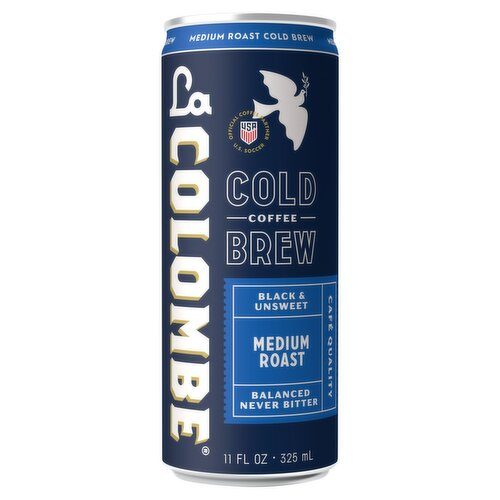
Cold-brewed coffee is made by steeping coffee grounds in cold water for an extended period of time, usually 12 to 24 hours. This process creates a beverage that is generally smoother and less acidic than traditionally brewed coffee.
It is used primarily as a beverage, often appreciated for its smoother flavor and perceived lower acidity, which some consumers find easier on the stomach. Natural caffeine sources like cold-brewed coffee are not penalized by Scout, as they are considered distinct from synthetic caffeine sources.
When you see cold-brewed coffee on a label, it indicates the method of preparation that distinguishes it from hot-brewed coffee in terms of flavor profile and potentially different effects on digestion.
Commonly found in: Ready-to-drink coffee bottles, Coffee concentrates, Café beverages, Energy drinks, Coffee cocktails
Benefits
- Cold-brewed coffee is typically less acidic than hot-brewed coffee, which may be gentler on the digestive system.
- It maintains the caffeine content, contributing to increased alertness and concentration.
Coffee, including cold-brewed coffee, is generally recognized as safe (GRAS) and is widely consumed.
Research shows that while cold-brew has lower acidity, it might have different antioxidant levels compared to hot-brewed coffee.
Cold-brewed coffee is plant-based and suitable for vegan diets.
Sources: Dietary Guidelines for Americans 2020-2025 · Chemical composition and sensory aspects of coffee
Scout's take
Caffeine + polyphenols; simple ingredient list.
Found in 1 product
Scan any product to see every ingredient explained — and healthier swaps.
Download on theApp Store GET IT ONGoogle Play