
Ingredient
Daikon
What is Daikon?
Daikon is a type of radish that originates from East Asia. It is known for its mild flavor and large size, often reaching several inches in length. Daikon is usually harvested for its root, which can be consumed raw, cooked, or pickled.
Daikon is commonly used for its crisp texture and refreshing taste, making it popular in salads, soups, and as a garnish. It is low in calories and contains vitamin C and some fiber, which contributes to its general reputation as a healthful food. There is no significant controversy regarding its health effects.
When you see daikon on a label, it usually indicates the product contains a component that is valued for both flavor and nutritional content, especially if aiming for a refreshing or slightly spicy taste profile.
Commonly found in: Salads, Soups, Pickles, Garnishes, Stir-fries
Benefits
- Low in calories, making it a diet-friendly ingredient.
- Contains vitamin C, which supports immune function.
- Provides fiber that aids in digestion.
Daikon is generally recognized as safe (GRAS) and does not require any special regulation for consumption.
Scientific studies support its nutritional benefits due to its vitamin and fiber content. There are no known adverse effects.
As a plant-based vegetable, daikon is suitable for vegan and vegetarian diets.
Sources: Nutritional Value of Daikon
Scout's take
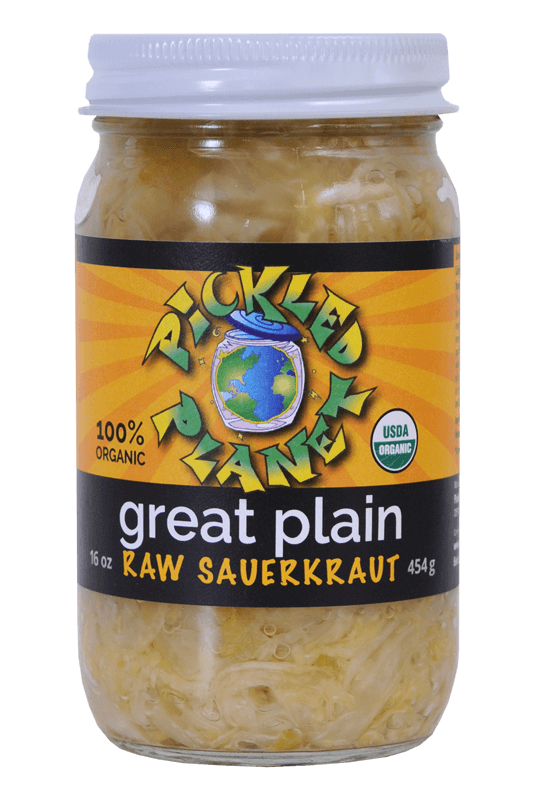
Daikon is a type of radish that is low in calories and high in vitamin C. It adds a mild, peppery flavor to the sauerkraut. The organic certification ensures it is free from synthetic pesticides.
Found in 1 product
Scan any product to see every ingredient explained — and healthier swaps.
Download on theApp Store GET IT ONGoogle Play