
Ingredient
Dill
What is Dill?
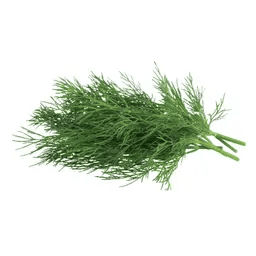
Dill is a herb that comes from the plant Anethum graveolens, which belongs to the celery family. It is commonly found as fresh or dried leaves, often referred to as 'dill weed', as well as in seed form.
Dill is used primarily for its distinctive flavor, which is often described as fresh, tangy, and reminiscent of anise or caraway. It's popular in cooking, particularly in pickling and as a seasoning for fish dishes. There is no conclusive scientific evidence indicating any harmful health effects from dill when used in culinary amounts.
When you see dill on a label, it's generally in its natural form and used to enhance the flavor profile of a product. As such, it carries no significant dietary or health implications.
Commonly found in: pickles, salad dressings, fish dishes, soups, sauces
Benefits
- Dill is rich in antioxidants, which can protect cells from oxidative stress.
- Herbalists often regard dill for its potential digestive benefits, though more research is needed.
Dill is recognized as a common culinary herb with no known safety concerns in typical culinary quantities.
Peer-reviewed studies indicate dill contains beneficial compounds, but robust clinical data on health impacts is limited.
Dill is a plant-based herb and widely accepted in vegan diets.
Sources: Food and Drug Administration: Spices and Herbs · Dill and Its Uses
Scout's take
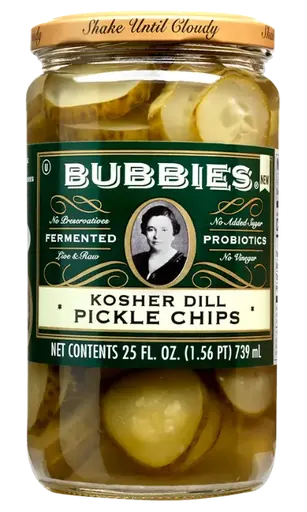
Dill is an herb that adds flavor and potential health benefits to the pickles. It contains antioxidants and may aid digestion. As a natural ingredient, it enhances the nutritional profile of the product.
More from Scout's analyses
Antioxidant activity, antimicrobial effects, anti-inflammatory properties; may aid digestion
from the analysis of Cal-Organic Farms Organic DillFound in 2 products
Scan any product to see every ingredient explained — and healthier swaps.
Download on theApp Store GET IT ONGoogle Play