
Ingredient
Durum Semolina Flour
What is Durum Semolina Flour?
Durum semolina flour is a type of flour made from durum wheat, a hard variety of wheat. It is coarser than traditional wheat flour and has a slightly yellow hue. The milling process involves grinding the durum wheat to extract the coarse, gritty flour known as semolina.
Durum semolina flour is commonly used in making pasta due to its high gluten content, which provides the strength and elasticity needed for shaping pasta. In terms of health, it is a good source of protein and dietary fiber, although those with gluten intolerance or celiac disease should avoid it.
When you see it on a label, it usually indicates a product focused on pasta or certain specialty breads. It is best suited for recipes that require a sturdy texture and high elasticity.
Commonly found in: pasta, couscous, bread, pizza dough, porridge
What to watch
- Contains gluten, which can cause issues for individuals with celiac disease or gluten sensitivity.
Benefits
- High in protein and fiber, which can aid in digestion and provide energy.
Durum semolina flour is considered generally recognized as safe (GRAS) in the United States.
Research supports its high protein content as beneficial, but gluten-related health issues are a concern for some.
Durum semolina flour is plant-derived and suitable for a vegan diet.
Sources: Durum Wheat Flour
Scout's take
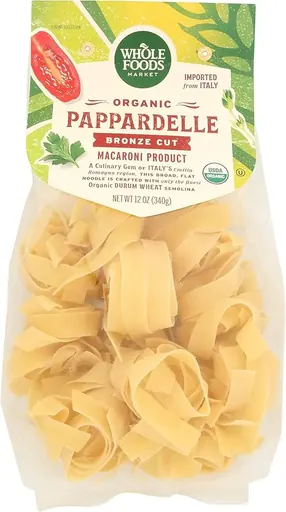
Durum semolina flour is a high-protein wheat flour that provides structure and texture to pasta. It is enriched with essential nutrients like niacin, iron, thiamine mononitrate, riboflavin, and folic acid, which are important for overall health. The milling process retains some of the wheat's natural nutrients, making it a beneficial ingredient.
Found in 1 product
Scan any product to see every ingredient explained — and healthier swaps.
Download on theApp Store GET IT ONGoogle Play