
Ingredient
Heavy Metals
What is Heavy Metals?
Heavy metals are a group of dense metallic elements — lead, arsenic, cadmium, mercury and chromium are the ones that matter most for health — that turn up in drinking water and food at trace levels. In water they come from old lead pipes and solder, brass fixtures, mining and industrial runoff, and natural mineral deposits in groundwater. In food they enter through soil and irrigation water, which is why rice, root vegetables, cocoa and some spices carry more than others.
They matter because the body clears them slowly, so small daily doses accumulate. Lead affects brain development in children at very low levels; inorganic arsenic is a known carcinogen; cadmium builds up in the kidneys. There is no nutritional need for any of them, and regulators set limits per metal rather than for the group: the EPA lead action level is 15 µg/L and the arsenic limit is 10 µg/L, and the FDA's Closer to Zero program is tightening limits in foods for babies and young children.
On a water filter, "heavy metals" describes what the filter is certified to reduce. Look for NSF/ANSI 53 (lead) or NSF/ANSI 58 (reverse osmosis) certification, since the metals are dissolved and pass straight through a basic sediment or taste-and-odor filter. Reverse osmosis and distillation remove essentially all of them; a carbon block only helps when its media is specifically rated for lead.
Commonly found in: Municipal tap water, Well water, Water filter claims, Lab-tested products
What to watch
- Lead, arsenic, cadmium and mercury accumulate in the body, so long-term low-level exposure matters more than any single glass.
- Homes built before 1986 may still have lead service lines or solder, which no municipal treatment can fix at the tap.
- Basic carbon and pitcher filters that are not certified for lead reduction do not reliably remove dissolved metals.
Sources: National Primary Drinking Water Regulations · Basic Information about Lead in Drinking Water · Closer to Zero: Reducing Childhood Exposure to Contaminants from Foods
Scout's take
Reduction of heavy metals is not specifically tested, but based on filter technology, an estimated reduction of around 40% is reasonable. Heavy metals can pose serious health risks if ingested.
More from Scout's analyses
The system is designed to reduce pentavalent arsenic, but specific reduction percentages for other heavy metals are not provided. Estimated reduction is around 50% based on filter technology.
from the analysis of Multipure Aquaperform MP880 Undersink Water FilterThe system reduces heavy metals such as cobalt, nickel, copper, and zinc by more than 60%. Heavy metals can be harmful to health, making their removal crucial for safe drinking water.
from the analysis of SpringWell CF Whole House Water Filter SystemThe advanced filter is designed to remove heavy metals, achieving a reduction of up to 99%. Heavy metals can be toxic and harmful to human health, making their removal essential.
from the analysis of LARQ Bottle PureVis 2 AdvancedFound in 47 products
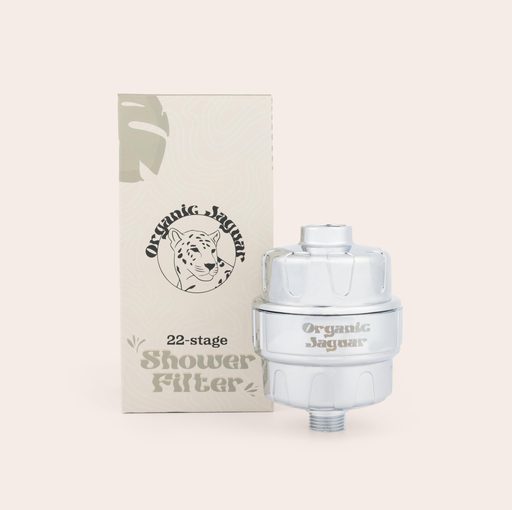
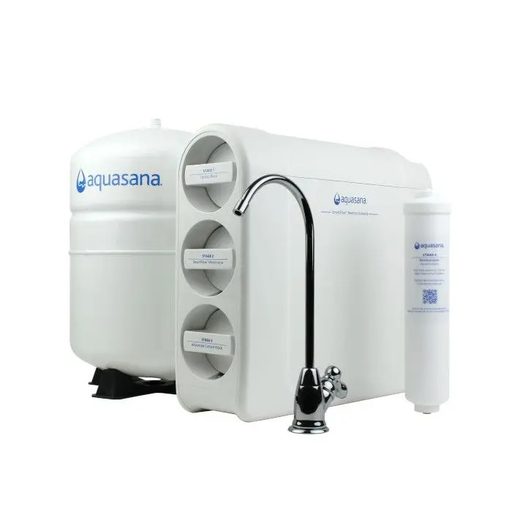
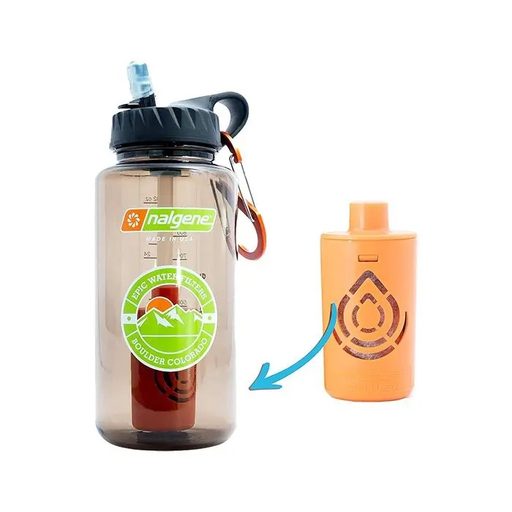
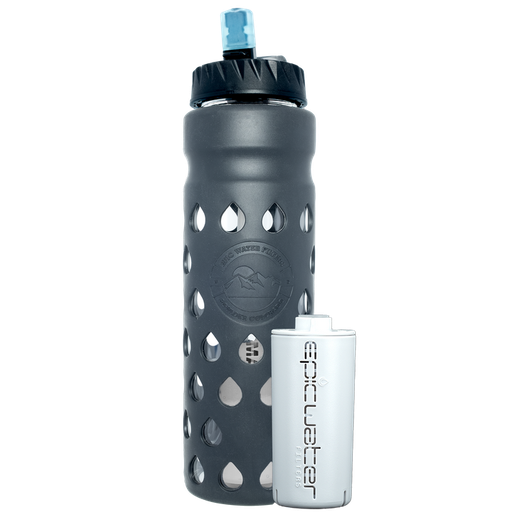
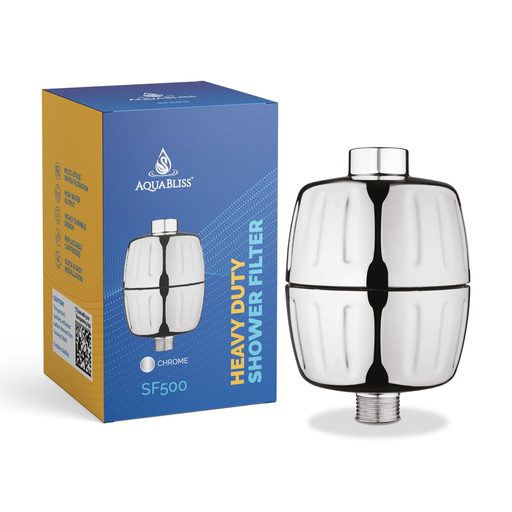
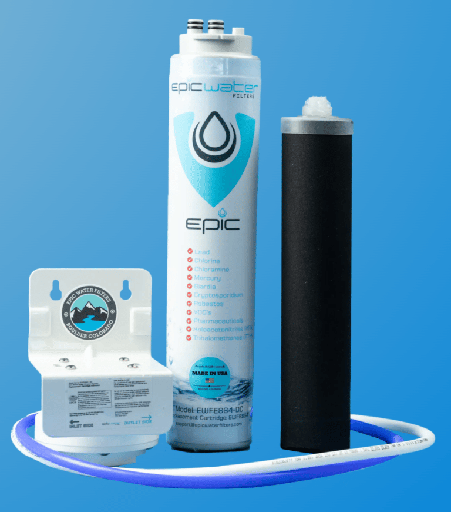

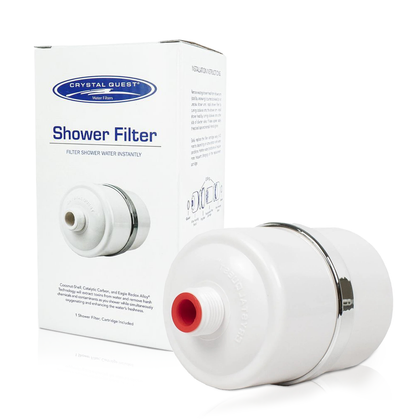
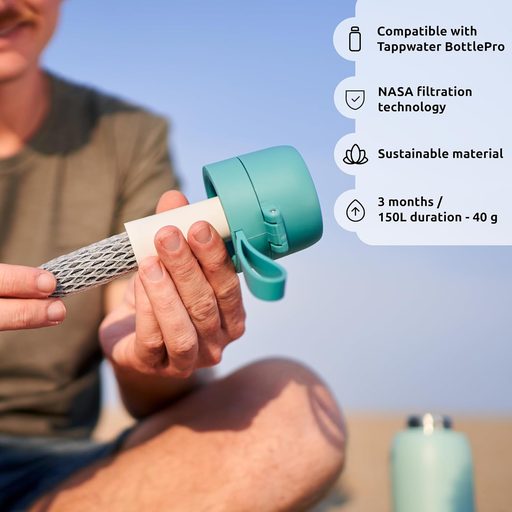






+ 23 more products in the Scout app
Scan any product to see every ingredient explained — and healthier swaps.
Download on theApp Store GET IT ONGoogle Play