
Ingredient
Herbicides
What is Herbicides?
Herbicides are the weed-killing chemicals used on farms, lawns and roadsides — atrazine, glyphosate, 2,4-D and metolachlor are among the most common in U.S. water. They reach drinking water sources through rain runoff and groundwater seepage, so levels are highest in agricultural regions and spike in spring after application. Most public systems test for the regulated ones; private wells are on their own.
The health picture varies by compound. Atrazine is an endocrine disruptor that persists in groundwater and is banned in the EU but still widely used in the U.S., with an EPA drinking-water limit of 3 µg/L. Glyphosate is far less toxic per dose and has a much higher limit (700 µg/L), though the WHO's cancer agency classified it as a probable carcinogen in 2015 and the evidence remains contested. Long-term exposure to mixtures at low levels is the least understood part.
On a water filter, "herbicides" means the filter has been tested to reduce a representative set of these chemicals — usually under NSF/ANSI 53 for specific compounds such as atrazine. Activated carbon adsorbs most herbicides well; reverse osmosis removes them along with nearly everything else.
Commonly found in: Municipal tap water, Well water, Water filter claims, Lab-tested products
What to watch
- Atrazine, the most common herbicide in U.S. groundwater, is an endocrine disruptor and is banned in the EU.
- Runoff peaks in spring after field application, so levels in farm-region water vary through the year.
- Private wells are not covered by public monitoring and may carry herbicides without anyone testing for them.
Sources: National Primary Drinking Water Regulations · Atrazine · Glyphosate
Scout's take
Estimated reduction is around 60%. Herbicides can affect water quality and have harmful effects on health.
More from Scout's analyses
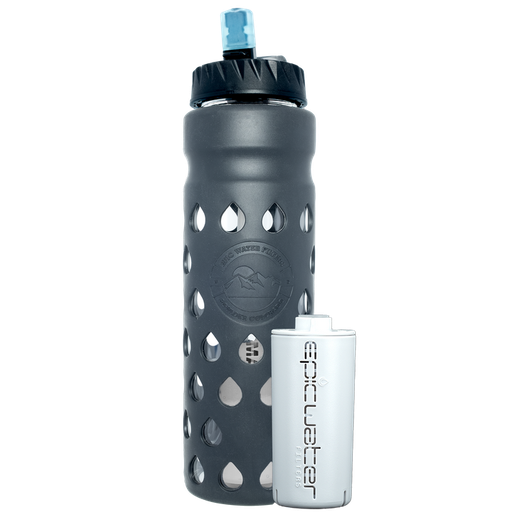
The filter reduces herbicides by over 60%, which can contaminate water supplies and pose health risks.
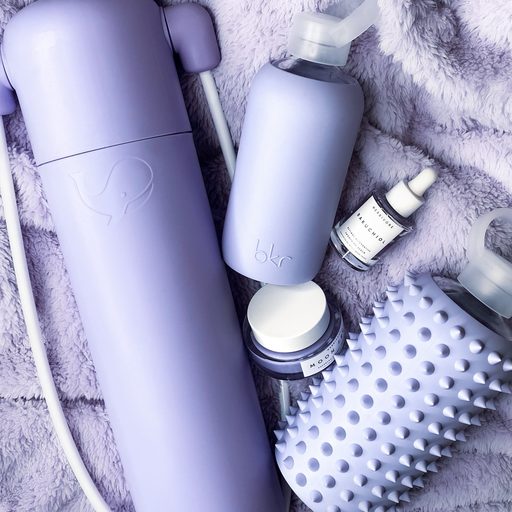
from the analysis of Bluedot x bkr Kit Filter BottleThe filter may reduce some herbicides, but specific reduction data is not available. No tests.
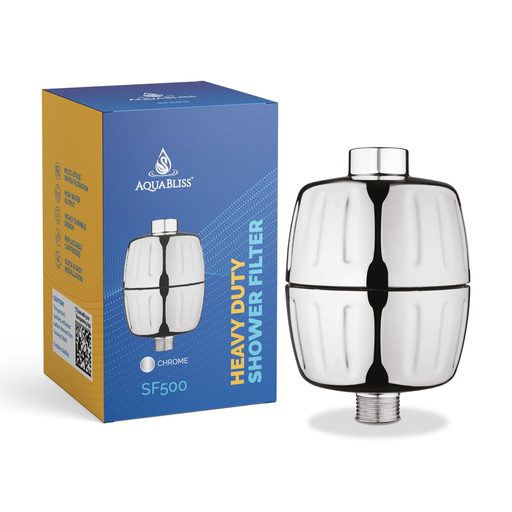
from the analysis of AquaYouth 2.0 Carbon Shower FilterHerbicides can contaminate drinking water and affect health. The filter may reduce herbicides, but specific data is lacking, so an estimated reduction of 20-60% is noted.
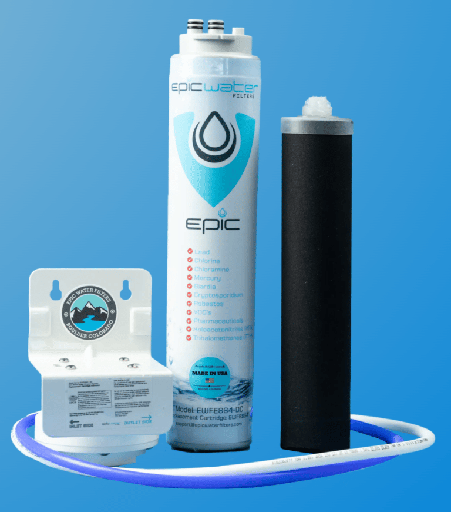
from the analysis of iSpring WCB32C-GAC Whole House Water Filter SystemFound in 51 products
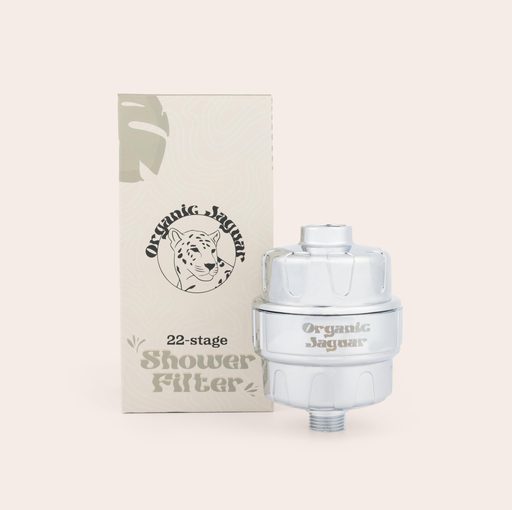
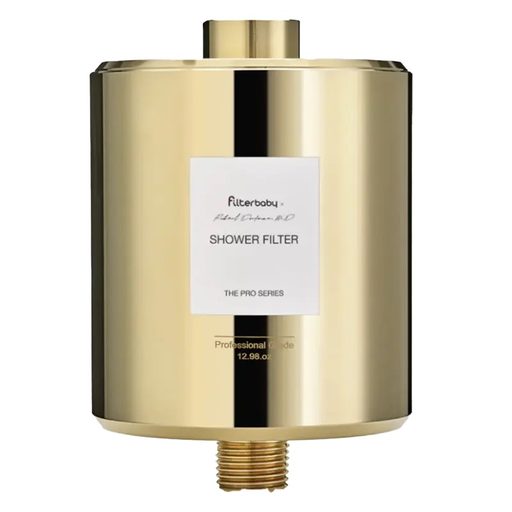
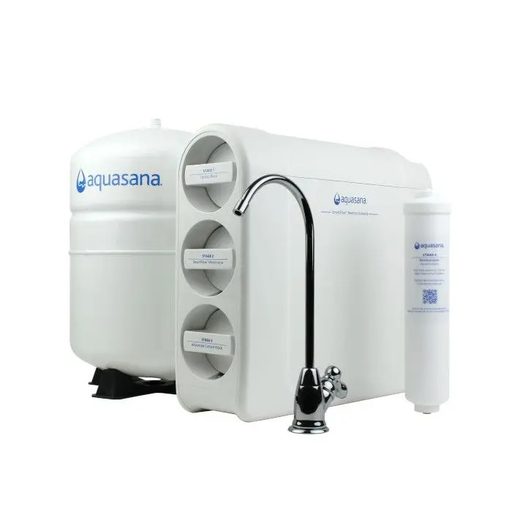
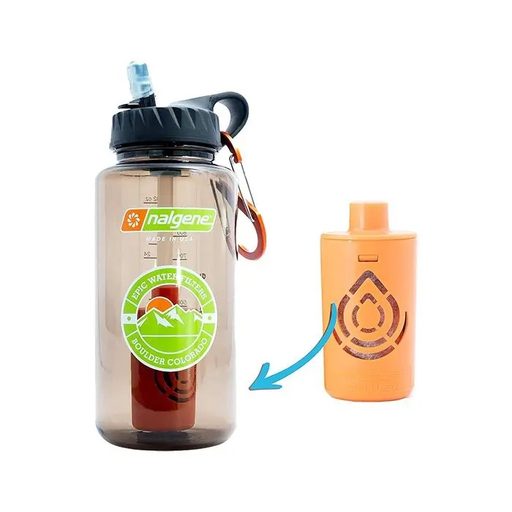
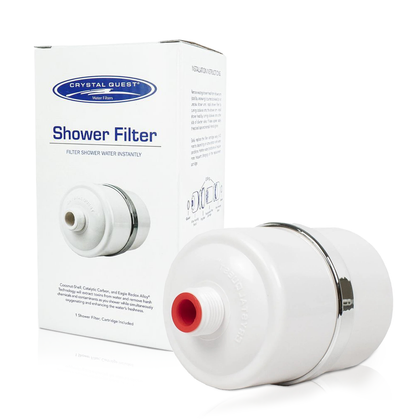
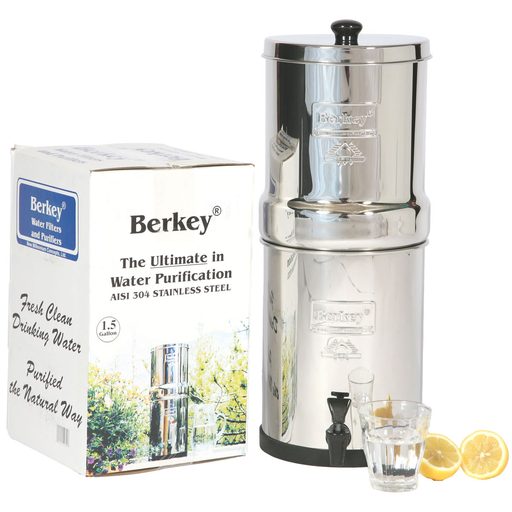
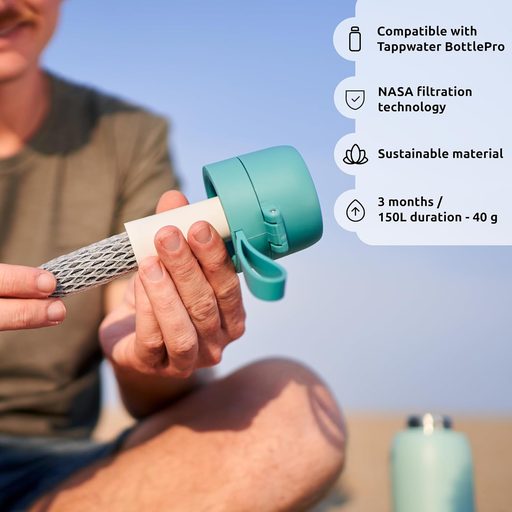

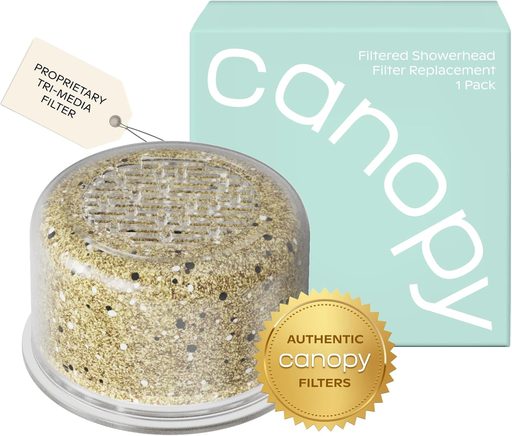
+ 27 more products in the Scout app
Scan any product to see every ingredient explained — and healthier swaps.
Download on theApp Store GET IT ONGoogle Play