
Ingredient
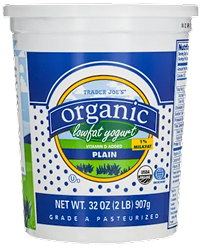
Lowfat
What is Lowfat?
Lowfat refers to a product that has had its fat content reduced compared to the regular version. The process often involves skimming or centrifugation to separate fat from the liquid portion in dairy products.
Lowfat products are popular due to the perception that they are healthier and contain fewer calories. However, it's important to note that the reduction in fat can sometimes be compensated with added sugars or other additives to maintain texture and flavor.
When you see 'Lowfat' on a label, it generally indicates an effort to provide a lower-calorie version of a food. Consumers should check the nutrition label to understand what changes have been made to achieve the lower fat content.
Commonly found in: yogurt, milk, cheese, ice cream, snack bars
What to watch
- Lowfat versions may contain higher levels of added sugars to enhance flavor.
Benefits
- May contribute to lower calorie intake if overall nutritional profile is balanced.
Lowfat products are regulated, and labeling standards ensure consistency in fat content claims.
While lowering fat intake can have benefits, some studies suggest that whole fats may have health benefits when balanced with overall diet.
Lowfat is often associated with dairy products, which are animal-derived and not vegan.
Sources: Guidance for Industry: A Food Labeling Guide (7. Nutrition Labeling; Questions G1 through P8) · Dietary Guidelines for Americans 2020-2025
Scout's take
Reduced fat means less satiety and slightly reduced absorption of fat-soluble vitamins. Full-fat would score higher.
Found in 1 product
Scan any product to see every ingredient explained — and healthier swaps.
Download on theApp Store GET IT ONGoogle Play