
Ingredient
Methylchloroisothiazolinone + Methylisothiazolinone (MCI/MIT)
What is Methylchloroisothiazolinone + Methylisothiazolinone (MCI/MIT)?
Methylchloroisothiazolinone (MCI) and Methylisothiazolinone (MIT) are synthetic preservatives commonly used in cosmetic and personal care products. They are often used in combination because they are highly effective at preventing the growth of bacteria and fungi.
While they are valued for their antimicrobial properties, these compounds have been associated with skin sensitivity. Evidence suggests that they can cause allergic reactions, particularly in individuals with sensitive skin or when used in leave-on products. This has led to restrictions in their use in certain regions.
When you see MCI/MIT on a label, it's important to consider your skin's sensitivity and whether the product is rinse-off or leave-on, as this may affect your exposure and potential reactions.
Commonly found in: Shampoos, Conditioners, Body Washes, Face Washes, Moisturizers, Lotions
What to watch
- Can cause skin irritation and allergic reactions.
- Associated with contact dermatitis in sensitive individuals.
Benefits
- Effective antimicrobial properties.
Approved for use in rinse-off products but use in leave-on products is restricted due to skin sensitivity concerns.
Evidence shows it effectively prevents microbial growth but can cause skin reactions in some individuals.
MCI/MIT are synthetic compounds and not derived from animals, hence they are generally considered vegan.
Sources: Safety Assessment of Methylchloroisothiazolinone and Methylisothiazolinone
Scout's take
The 'Kathon CG' preservative pair. MIT was named the American Contact Dermatitis Society's 'Contact Allergen of the Year 2013' after a documented epidemic of contact dermatitis cases. EU banned MIT in leave-on cosmetics in 2017 and limits MCI/MIT in rinse-off products to 0.0015%. EWG 5-7.
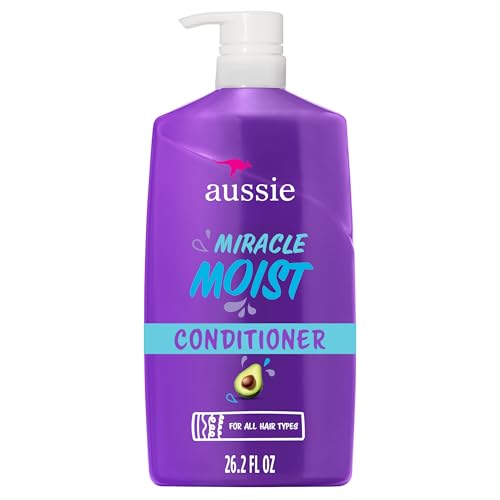
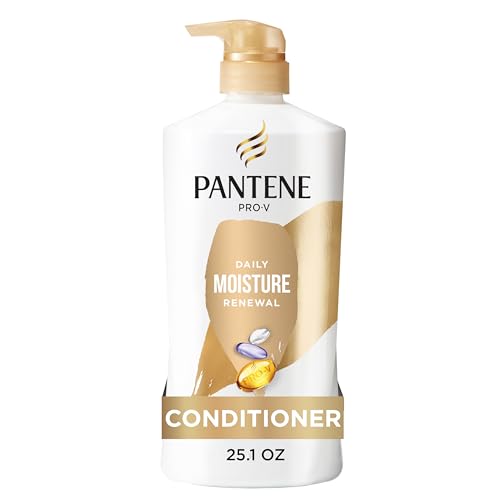
Found in 6 products



Scan any product to see every ingredient explained — and healthier swaps.
Download on theApp Store GET IT ONGoogle Play