
Ingredient
Modified Atmosphere Packaging
What is Modified Atmosphere Packaging?
Modified Atmosphere Packaging (MAP) is a technology used to extend the shelf life of perishable foods. It involves altering the atmosphere inside packaging to slow down the deterioration of the product. This is typically done by reducing oxygen levels and adjusting other gas concentrations.
The primary purpose of MAP is to keep food fresh longer by slowing microbial growth and oxidation. While it doesn't involve any direct chemical preservatives, there is limited evidence on the long-term health impacts of consuming MAP-packaged products. The main concern is that it may sometimes mask spoilage signs.
Consumers should be aware that while MAP extends shelf life, it doesn't eliminate the need for proper storage. It's important to check packaging labels for storage instructions and best-by dates.
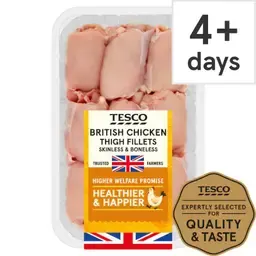
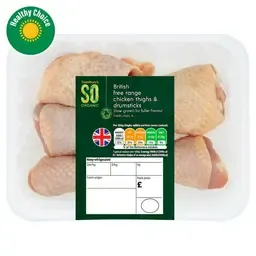
Commonly found in: chicken products, poultry, fresh meats, packaged fruits, fresh vegetables
What to watch
- Can sometimes mask signs of spoilage, making it harder to identify expired products.
Benefits
- Extends shelf life, keeping products fresher for longer periods without direct chemical preservatives.
The FDA does not have a specific regulation for MAP but considers it a process that generally fits within existing food safety frameworks.
Research shows MAP effectively extends shelf life, although certain studies raise concerns about spoilage detection.
MAP is not derived from animal products and is considered acceptable for vegan consumers.
Sources: Modified Atmosphere Packaging for Fresh Fruits and Vegetables
Scout's take
Plastic-intensive MAP packaging; limited recyclability
Found in 2 products
Scan any product to see every ingredient explained — and healthier swaps.
Download on theApp Store GET IT ONGoogle Play