
Ingredient
Non-GMO Citric Acid
What is Non-GMO Citric Acid?
Non-GMO Citric Acid is a weak organic acid that occurs naturally in citrus fruits. It is often produced through fermentation of sugars by Aspergillus niger mold, a method that is cost-effective and renewable.
It is widely used in the food industry for its sour taste and as a preservative to help preserve the stability of products. While generally recognized as safe, excessive consumption can lead to dental erosion due to its acidic nature.
On labels, citric acid indicates a product's shelf life may be enhanced, flavor can be tart, and it is a non-synthetic ingredient if marked as Non-GMO.
Commonly found in: soft drinks, candies, preserved foods, baked goods, ice cream
What to watch
- High consumption can cause dental erosion due to its acidic nature.
Benefits
- It acts as a preservative, helping to extend shelf life of food products.
- Enhances flavor by adding a tart or sour taste.
Citric acid is generally recognized as safe (GRAS) by the FDA for use in food and beverages.
Research shows citric acid is effective in preserving food and enhancing flavor with no major health concerns at typical consumption levels.
Citric acid is not derived from animal products and is widely accepted by the vegan community.
Scout's take
Citric acid is a common additive used for flavor and preservation, generally recognized as safe.
More from Scout's analyses
Standard acidity regulator, non-GMO verified. Minor processing aid.
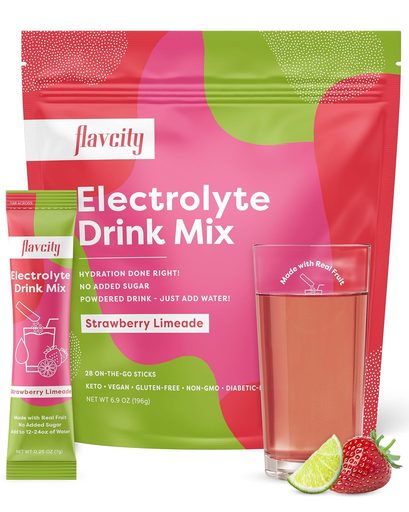
from the analysis of FlavCity Strawberry Limeade Electrolyte MixFound in 2 products

Scan any product to see every ingredient explained — and healthier swaps.
Download on theApp Store GET IT ONGoogle Play