
Ingredient
Non-nano Titanium Dioxide
What is Non-nano Titanium Dioxide?
Non-nano titanium dioxide is a naturally occurring mineral used in certain industrial and consumer products, primarily as a whitening agent or pigment. It is 'non-nano' meaning its particles are larger than 100 nanometers; this definition is important in regulatory contexts as it does not penetrate the skin barrier.
In sunscreens and makeup, non-nano titanium dioxide acts as a physical blocker of UV rays, helping protect the skin from sun damage. It is generally considered safe for topical use as it does not easily absorb into the skin. Studies on inhalation, mainly concerning workers exposed to aerosolized forms, suggest potential risks, but these are not directly applicable to consumer products.
When you see non-nano titanium dioxide on a label, it's useful to know that it's been chosen for its safety profile in personal care products, particularly for those with sensitive skin or concerns about chemical UV filters.
Commonly found in: Sunscreen, Makeup, Skincare, Toothpaste, Food Coloring
What to watch
- Some concern exists around aerosolized forms of titanium dioxide as an inhalation hazard.
Benefits
- Acts as an effective and safe UV filter in sunscreens.
- Provides whitening and brightening effects in cosmetics.
Non-nano titanium dioxide is approved for use as a sunscreen active ingredient and as a food additive coloring.
Research supports its use as a safe topical agent, but inhalation studies indicate potential risks in occupational settings.
It is mineral-based and thus considered vegan-friendly.
Sources: Titanium Dioxide in Sunscreens · Scientific Opinion on the safety of titanium dioxide (E171) as a food additive
Scout's take
Non-nano titanium dioxide is another mineral UV filter that effectively protects against UV radiation. It is generally regarded as safe for topical use and does not pose the same risks as chemical UV filters.
More from Scout's analyses
Non-nano titanium dioxide is a mineral used for its UV protection properties and as a colorant. It is considered safe for topical use and does not pose the same risks as nano-sized particles.
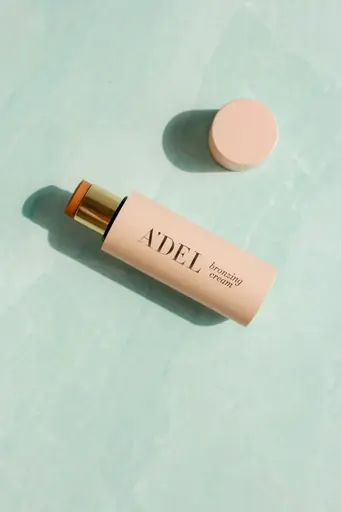
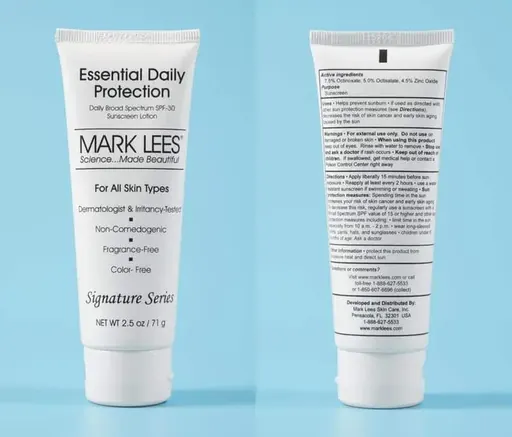
from the analysis of A'DEL Bronzing CreamFound in 2 products
Scan any product to see every ingredient explained — and healthier swaps.
Download on theApp Store GET IT ONGoogle Play