
Ingredient
Non-Nano Zinc
What is Non-Nano Zinc?
Non-Nano Zinc refers to zinc oxide particles that are larger than 100 nanometers, ensuring they are not able to penetrate the skin's surface to enter the bloodstream. It is often used in personal care products, such as deodorants and sunscreens, to provide a protective barrier against UV rays and other environmental elements.
It’s favored in products for its safety profile; non-nano particles do not penetrate the skin, which reduces the risk of absorption into the body. The safety and efficacy of non-nano zinc as a UV filter have been well-established, although continuous research is ongoing to confirm any long-term effects.
When you see non-nano zinc on a label, it generally implies a sun-protective function without nanotechnology, catering to consumers who prefer products without nanoparticles.
Commonly found in: sunscreens, deodorants, lip balms, face creams, ointments
Benefits
- Provides effective sun protection without penetrating the skin.
- Less likely to cause irritation than nano-sized particles.
Zinc oxide is approved by the FDA as a safe and effective ingredient in sunscreens.
Studies support non-nano zinc as a safe sun-blocking ingredient that doesn’t penetrate the skin.
Non-nano zinc is typically mineral-derived and usually considered vegan.
Scout's take
Non-nano zinc oxide is a naturally-derived mineral used for its antibacterial properties and as a skin protectant. It is generally considered safe for skin contact.
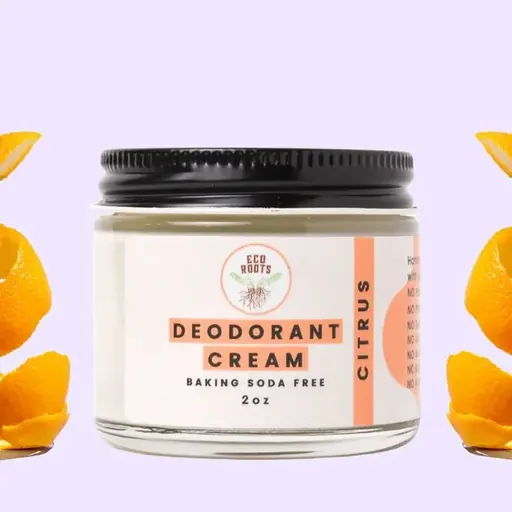
Found in 1 product
Scan any product to see every ingredient explained — and healthier swaps.
Download on theApp Store GET IT ONGoogle Play