
Ingredient
Non-Woven Felt Fabric Core
What is Non-Woven Felt Fabric Core?
Non-Woven Felt Fabric Core is a material often used in various products for its absorbent properties. It is made by binding fibers together using chemical, thermal, or mechanical processes, without weaving.
In feminine care products, it serves as an absorbent core, helping retain and manage fluids. There is limited health evidence directly related to the felt itself, as it is largely an inert material not intended for consumption or dermal absorption.
When you see it on a label, it's typically related to the structural and absorbent functions in hygiene products rather than any nutritional or skin contact concerns.
Commonly found in: Sanitary pads, diapers, incontinence products
What to watch
- Physical irritation might occur if the material degrades or interacts with skin in unexpected ways.
Benefits
- Provides effective absorbency in hygiene products, contributing to product performance.
The FDA regulates materials used in hygiene products but does not individually evaluate the felt core unless it presents a risk.
There is minimal research focused specifically on the health impacts of non-woven felt, mainly due to its inert nature and use outside of ingestion.
Non-Woven Felt Fabric Core is typically made from synthetic or plant-based fibers, making it compatible with vegan preferences.
Scout's take
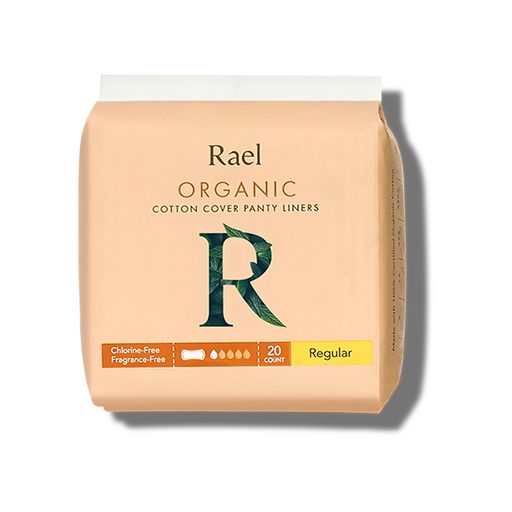
The absorbent core uses non-woven felt fabric rather than super absorbent polymers (SAP) — a meaningful improvement over conventional pads and liners that rely on acrylic acid-based SAP. The fiber composition is not explicitly specified as organic, which is the only minor question mark. No skin contact since it sits between the cotton top sheet and the backsheet.
Found in 1 product
Scan any product to see every ingredient explained — and healthier swaps.
Download on theApp Store GET IT ONGoogle Play