
Ingredient
Organic Amaranth Flour
What is Organic Amaranth Flour?
Organic Amaranth Flour is a flour made from ground amaranth seeds, which are tiny pseudocereals not classified as true cereals like wheat or rice. Amaranth is traditionally grown in Peru and is prepared by milling the seeds into a fine powder, often used as an alternative to wheat flour in gluten-free baking.
This flour is used for its gluten-free properties and high nutritional value, offering benefits like protein, fiber, and micronutrients such as magnesium and iron. While generally considered healthful, amaranth flour's effects can vary based on overall diet and individual health conditions.
When you see organic amaranth flour on a label, it's typically an indicator of a product focusing on whole-grain and potentially more nutritious ingredients, often targeting gluten-free or whole-food diets.
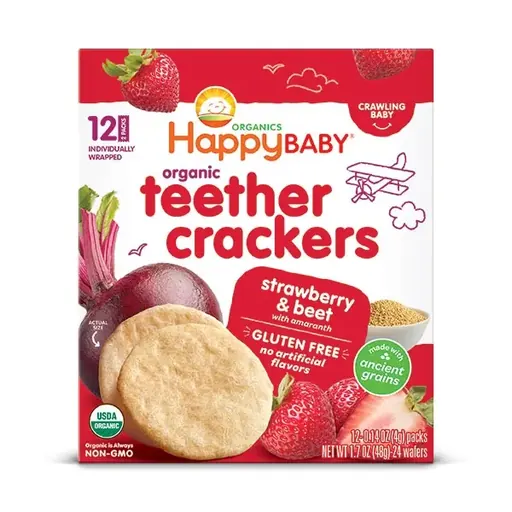
Commonly found in: gluten-free baking, baby snacks, bread, pasta, thickening soups
Benefits
- High in protein, which can benefit muscle maintenance and growth.
- Contains significant dietary fiber, aiding digestion.
- Rich in minerals such as magnesium and iron, supporting overall health.
Organic amaranth flour is generally recognized as safe (GRAS) by the FDA for use in food products.
Research highlights its high nutrient content and potential health benefits, particularly for those on gluten-free diets.
Amaranth flour is plant-derived and is accepted within vegan diets.
Scout's take
Organic amaranth flour is a nutrient-dense, gluten-free flour rich in protein and fiber. Being organic, it is free from synthetic pesticides and fertilizers. It contains essential amino acids and is a good source of minerals like iron and magnesium.
Found in 1 product
Scan any product to see every ingredient explained — and healthier swaps.
Download on theApp Store GET IT ONGoogle Play