
Ingredient
Organic Whey Protein
What is Organic Whey Protein?
Organic Whey Protein is derived from milk during the cheese-making process. The liquid by-product, whey, is filtered and dehydrated to produce a concentrated protein powder. When labeled as organic, this whey protein comes from cows fed organic feed and not treated with antibiotics or growth hormones.
It is widely used in dietary supplements and food products for its high protein content and rich amino acid profile, supporting muscle growth and repair. While generally considered a high-quality protein source, its efficacy can depend on individual dietary needs and exercise routines. Some people may experience digestive discomfort based on their lactose sensitivity or intolerance.
Labels listing organic whey protein assure consumers of its compliance with organic standards, which may appeal to those avoiding synthetic additives or pesticides.
Commonly found in: protein powders, meal replacements, sports nutrition products, baked goods, snack bars
What to watch
- May cause digestive issues such as bloating or cramps for those with lactose intolerance.
Benefits
- Contains a complete amino acid profile beneficial for muscle synthesis and recovery.
- Derived from organic sources, reducing exposure to synthetic chemicals and hormones.
Whey protein is generally recognized as safe (GRAS) by the FDA when used appropriately in food products.
Research supports the use of whey protein for muscle building and recovery, though individual results can vary.
Organic whey protein is animal-derived, and therefore not suitable for vegans.
Scout's take
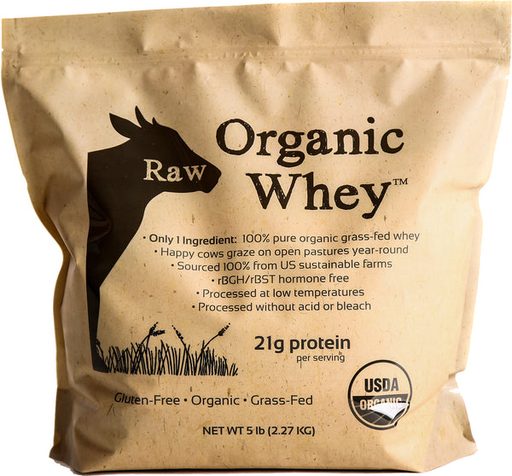
Undenatured, cold-processed, micro-filtered whey from grass-fed Northern California cows. Acid and bleach-free processing preserves bioactive fractions: IgG (7-9%), lactoferrin, alpha-lactalbumin (12-15%), and 150mg glutathione per serving.
Found in 1 product
Scan any product to see every ingredient explained — and healthier swaps.
Download on theApp Store GET IT ONGoogle Play