
Ingredient · Updated
PEG-7 Propylheptyl Ether
Found in 1 product
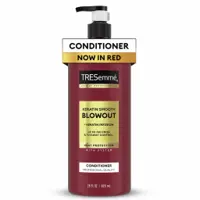
What is PEG-7 Propylheptyl Ether?
PEG-7 Propylheptyl Ether is a synthetic compound often used as an emollient or surfactant in personal care products. It is derived from ethylene oxide and propylheptyl alcohol, making it a member of the polyethylene glycol (PEG) family.
This ingredient is commonly used in hair care products for its ability to help spread and evenly distribute other ingredients on hair strands or skin. Health concerns are generally centered around potential contamination with ethylene oxide and 1,4-dioxane, which are possible carcinogens. However, there is limited direct evidence of harm from PEG-7 Propylheptyl Ether itself.
When you see it on a label, it is worth noting that the overall safety often depends on the manufacturing process and purity standards upheld by the manufacturer.
Commonly found in: Shampoos, Conditioners, Hair Styling Products, Skin Creams, Lotions
What to watch
- Possible contamination with ethylene oxide, a potential carcinogen.
- Possible contamination with 1,4-dioxane, a potential carcinogen.
Benefits
- Functions as an effective emollient and surfactant in formulations.
PEG compounds are generally considered safe by the FDA when used properly, but quality control is essential to minimize contaminants.
Research indicates some concerns about contamination, but the ingredient itself is not widely studied for direct effects.
PEG-7 Propylheptyl Ether is synthetic and typically considered vegan.
Sources: Final Report on the Safety Assessment of Polyethylene Glycols (PEGs)
Scout's take
Polyethylene glycol ether; carries 1,4-dioxane contamination risk from ethoxylation. Penetration enhancer.
All 1 product with PEG-7 Propylheptyl Ether
Where PEG-7 Propylheptyl Ether shows up
- Hair Care 1 product
Higher-scoring picks without PEG-7 Propylheptyl Ether
Products from the same categories whose analyzed ingredient list does not include PEG-7 Propylheptyl Ether, scoring 80 or above.
Scan any product to see every ingredient explained — and healthier swaps.