
Ingredient
Polyethylene (PE)
What is Polyethylene (PE)?
Polyethylene is a common plastic made from petrochemicals or bio-based materials. It is one of the most widely produced plastics globally, used in various forms ranging from films to solid structures.
In consumer products, polyethylene is often used for its durability and resistance to moisture. It is not typically consumed or absorbed, so health impacts may be minimal through direct contact, but concerns revolve around environmental impact and potential for microplastic formation.
When you see polyethylene on a label, it most likely refers to the non-food packaging or structural components, like plastic wraps or containers, and is generally considered safe for its intended uses.
Commonly found in: Trash Bags, Plastic Wraps, Containers, Bottles, Packaging
What to watch
- Environmental concerns as it contributes to plastic waste and may break down into microplastics.
The FDA generally considers polyethylene safe for its intended applications in contact with food and non-food products.
Research highlights environmental concerns, particularly related to its contribution to plastic pollution and microplastic formation, while direct health impacts from use are typically minimal.
Polyethylene is synthetic and not derived from animal products, making it vegan-friendly.
Sources: Plastic Materials: Polyethylene
Scout's take
Polyethylene is a conventional petroleum-based plastic commonly used in trash bags. Its production contributes to fossil fuel consumption and greenhouse gas emissions, and it does not biodegrade, leading to long-term environmental pollution.
More from Scout's analyses
Polyethylene is a conventional petroleum-based plastic that is not biodegradable. It contributes to plastic pollution and has a significant environmental footprint.
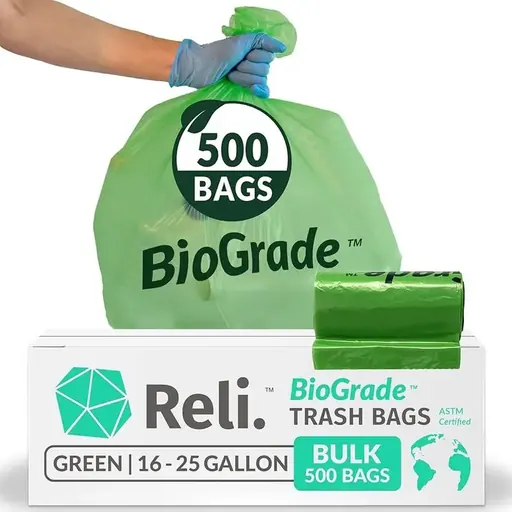
from the analysis of Reli. BioGrade Biodegradable 16-25 Gallon Trash BagsFound in 3 products

Scan any product to see every ingredient explained — and healthier swaps.
Download on theApp Store GET IT ONGoogle Play